Categories
Architecture Building Sustainably

What Architects Theorize

http-inlinethumb59-webshots-com-42298-2561778790105101600s600x600q85

The second class became more familiar to me. I was asked to sit in front of the class to lead the discussion on Philosophy for Laymen, a piece by Bertrand Russell, with the other graduate student in the class. What I wrote:

Russell defends the merit of philosophy. He says we must find out ‘how to best utilize our own command over the forces of nature.’ As an architect I read this to suggest I should think from many perspectives to find a solution to my work. This can be applied directly to design questions within projects, questions about how to practice and even in the way a project may be created.

Before I discover where philosophy leads an architect I must ask what are architects questioning? –Sheltering the world, organizing shelter, the materials we use? Each architect must understand that his or her own upbringing is not exclusive. ‘The knowledge that gives most help in solving such problems is a wide variety of human life’, and we are building for more than the common good of ourselves. We are seeking solutions for the good of the world. Russell speaks of dogmatism, or close-mindedness that is against growth. Philosophy becomes an ethical solution to problem solving. When I start to debate or defend an idea, or bring in another person’s opinion, the exercise often leads me to a new place. There are many instances in practice that I should encourage myself to ask more questions. Do I ask myself to question what a client really wants, or do I question the affects of introducing certain solutions thoroughly? Can I take the time to consider what I think cities (places) need? What’s the benefit? This is what Russell suggests with his solution, ‘the love of wisdom’ –we have to believe answers are out there that are better because we’ve considered the alternative. From those alternatives perhaps something has come out of it that was more encompassing, something that works on many levels as a balanced solution.

‘Philosophy has a theoretical and a practical aim.’ he states. At what point do we find that these solutions must be applied and evaluate the move from the theoretical to the practical? Theory can be a tool during the entire process of work. At some point architects must trust that our critical thinking has pushed solutions to be intuitive. We must flexibly produce the work from which we began to question it and be open to where it goes. Why else would Russell say ‘for the learning of suspended judgment the best discipline is philosophy’?

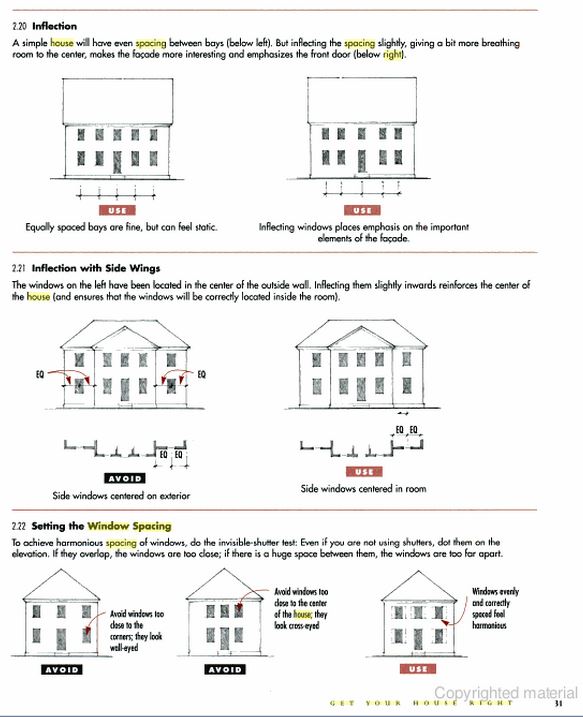
Reflecting on the topics the vocal class offered later that night lead me into deeper thoughts. I observed the professor and the role he played with the students. We began to debate the truth of details. Is it better to provide shutters on a home that will never be used to protect the windows as simple screw-down models, or use the type with hinges that have the ability to be used? This is called Truth in architecture. The idea has been with me ever since and has made me wonder if I could develop a list of common things that Architects theorize. I went to the Wiki source with this question in mind and found these voices: Derrida, Vidler, Rowe, and Frampton.

When architects want to discuss Pattern who do we look to? Plato and Pythagoras. German biologist and artist Ernst Haeckel painted hundreds of marine organisms to emphasize their symmetry. Scottish biologist D’Arcy Thompson pioneered the study of growth patterns in both plants and animals, showing that simple equations could explain spiral growth.   –Wiki

 Photo above from The Savoia

Categories
Architecture

Going Back to School

image

81741b07333aa211fb79df72992fba19[1]

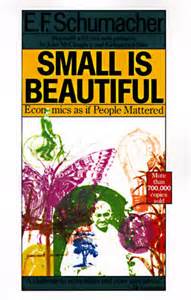
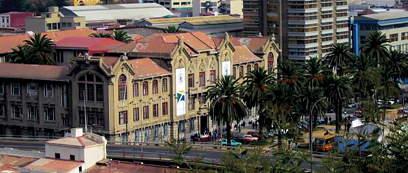
The Masters of Architecture program is budding at Fairmont State University. I started my first class there yesterday, after a ten-year hiatus from higher education. (I was asked in admissions ‘Are you faculty or a student?’) I drove into town with the view of downtown Fairmont (above.) As I sat down in class and began to listen to the names- Bertrand Russell, E.F. Schumacher, Aldo Leopold, Barry Commoner and Wes Jackson, I realized that I’d been missing so much since leaving college. th8WSLQMY5

The class is about Sustainability and in the end it will prepare us for the LEED exam. We began the class by discussing our connection to nature and how it relates to architecture. Students offered experiences of visiting Fallingwater, or reminisced about growing up with the forest. The focus of the Masters program is to create and promote Appalachia as sustainable place to live. The professor laid the foundation for the course by engaging the class to believe in what we were preserving. He held up books by Rachel Carson, Cradle to Cradle, and we discussed philosophy. I spent the night looking up the names we discussed,  sharing the new experience with my husband, and then went to sleep looking forward to another day.thDS79VEMM

thLI9WKQWH

th3G191HUH

fallingwater[1]

Fallingwater.org

First image: A view of Fairmont from the new bridge by Preservation Alliance WV. Next image on Campus Explorer.

Categories
Architecture

Traditional Architecture

jpeg

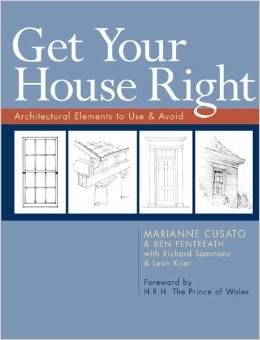
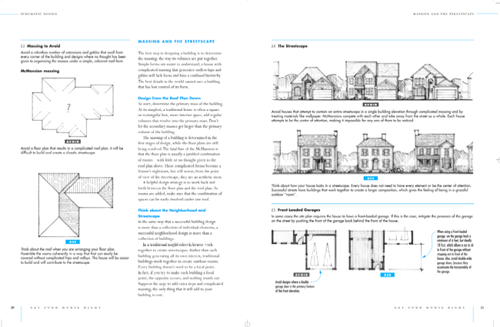
My architectural schooling didn’t focus on the means and methods of designing traditional homes. My coworker pointed this out to me when he brought my attention to this book. (Found on Amazon here.) Get Your House Right by Marianne Custo, Ben Pentreath and friends offers hand sketches with easy explanations throughout the publication to draw architects toward the do’s and don’ts of traditional house design. I’ve read a reoccurring theme in a few articles lately that highlight the disconnect between what the architect wants to design, and what the typical public desires in their shelter. Many clients haven’t been versed in Miesian or Neutra homes that architectural students use as case studies.

get-your-house-right-inside

Get house right Cusato

Window Spacing Cusato

~

Clog_Miami_web

In Clog’s Miami, published in 2013 Anna Lizzette Tion states ‘…Urban context is charged by the actions of its inhabitants’ in her article titled All Road Lead to Hialeah

~

 A third reminder came from The New York Times The Opinion Pages on December 15, 2014 by Steven Bingler adn Martin C. Pedersen titled How to Rebuild Architecture. I enjoy the conclusion of this piece beginning at:  “It wasn’t always like this. For millenniums, architects, artist and craftspeople …”

 — a surprisingly sophisticated set of collaborators, none of them conversant with architectural software — created buildings that resonated deeply across a wide spectrum of the population. They drew on myriad styles that had one thing in common: reliance on the physical laws and mathematical principles that undergird the fundamental elegance and practicality of the natural world.

These creative resources transcend style. They not only have wide aesthetic appeal, but they’re also profoundly human, tied to our own DNA. They’re the reason both Philip Johnson and the proverbial little old lady from Dubuque could stand beneath the Rose Window at Chartres and share a sense of awe.

To get back there, we must rethink how we respond to the needs of diverse constituencies by designing for them and their interests, not ours. We must hone our skills through authentic collaboration, not slick salesmanship, re-evaluate our obsession with mechanization and materiality, and explore more universal forms and natural design principles.

Not all architects are equally proficient at producing seminal work. But we do have access to the same set of tools and inspirations. And let’s be honest: Reconnecting architecture with its users — rediscovering the radical middle, where we meet, listen and truly collaborate with the public, speak a common language and still advance the art of architecture — is long overdue. It’s also one of the great design challenges of our time.

Steven Bingler, an architect, and Martin C. Pedersen, an architectural journalist, are the authors of the forthcoming book “Building on the Common Edge.”

Read the full article here


These are all reminders to the profession that we as architects need to continue to be conscious of the physical world, and the inhabitants we are sheltering. The youngest generation of architects may be called to explore a world through a time tested perspective to move forward.

Categories
Architecture

House K by Sou Fujimato Architects

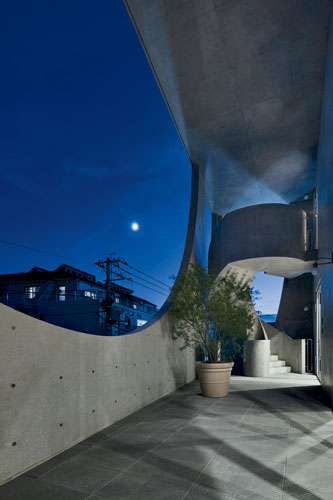
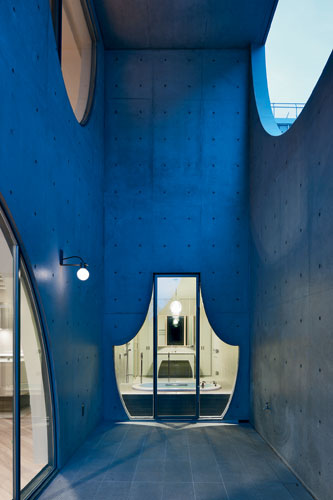
Concrete buildings can do anything. The heavy material draped as in Keiko + Manabu”s Ellipse Sky, as seen in Architectural Record,

Ellipse-Sky-Keiko-Manabu-10

Ellipse-Sky-Keiko-Manabu-4

.

Ellipse-Sky-Keiko-Manabu-6

.Ellipse-Sky-Keiko-Manabu-7

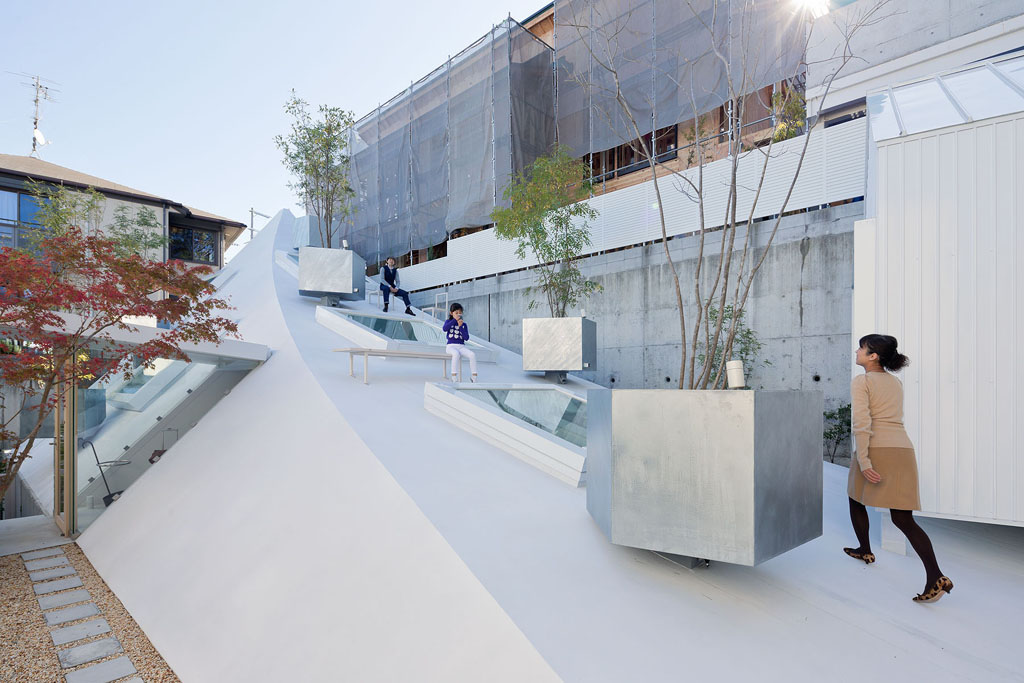
or have planes cantilever or folded like the House K in Nishinomiya, Japan.

‘ Not surprisingly, the roof was the most difficult part of the house to construct.’

54603d9dc9ab423bf9f4b78fd4501adf

ml_House K Fujimoto_portada_24_700

 – Architectural Record 2013

~

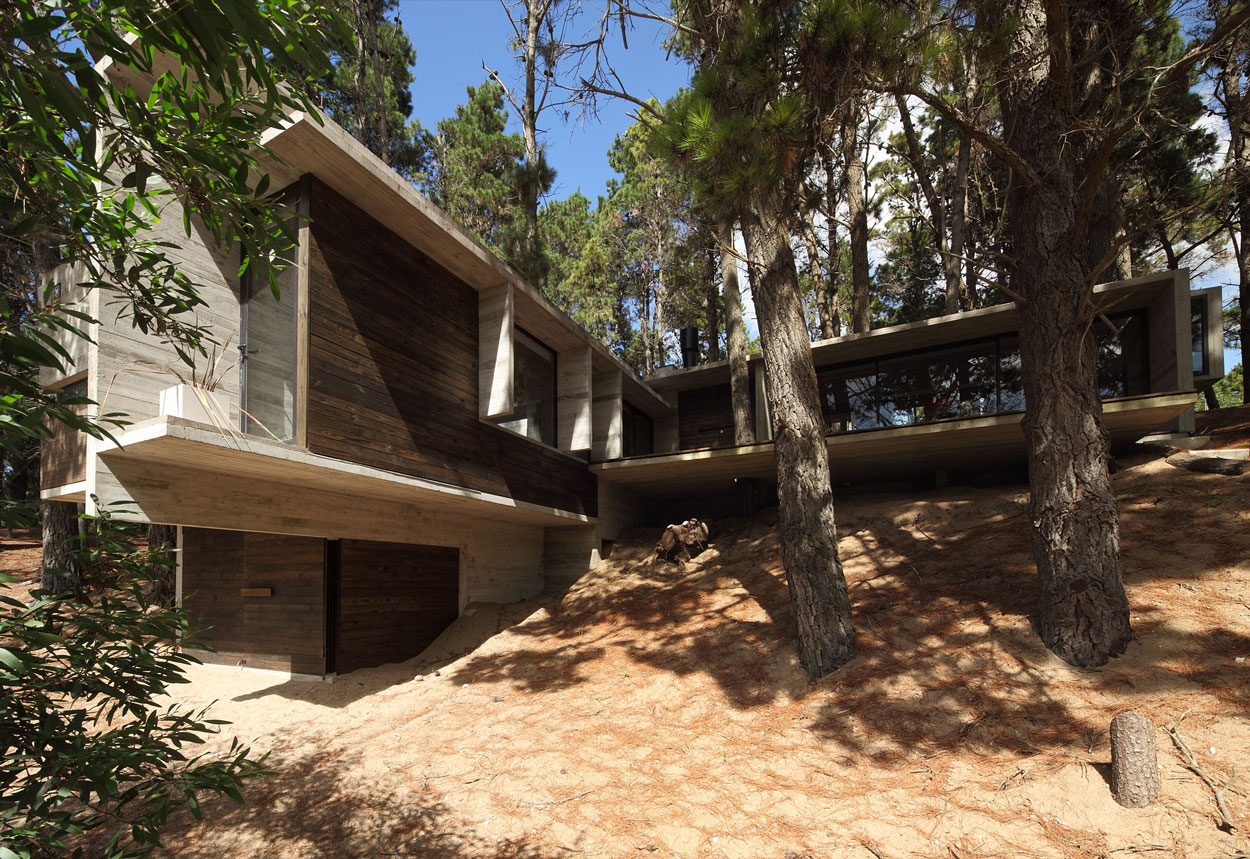
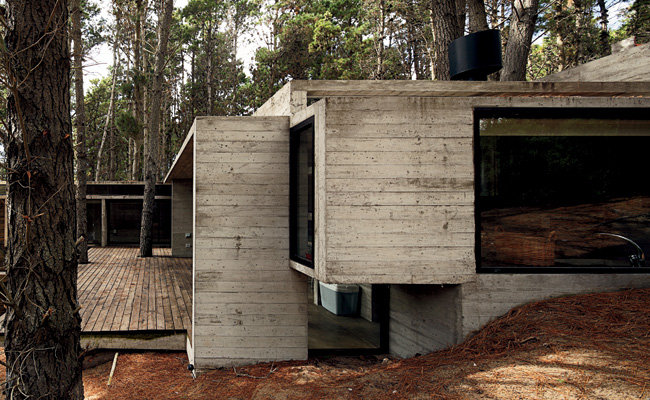
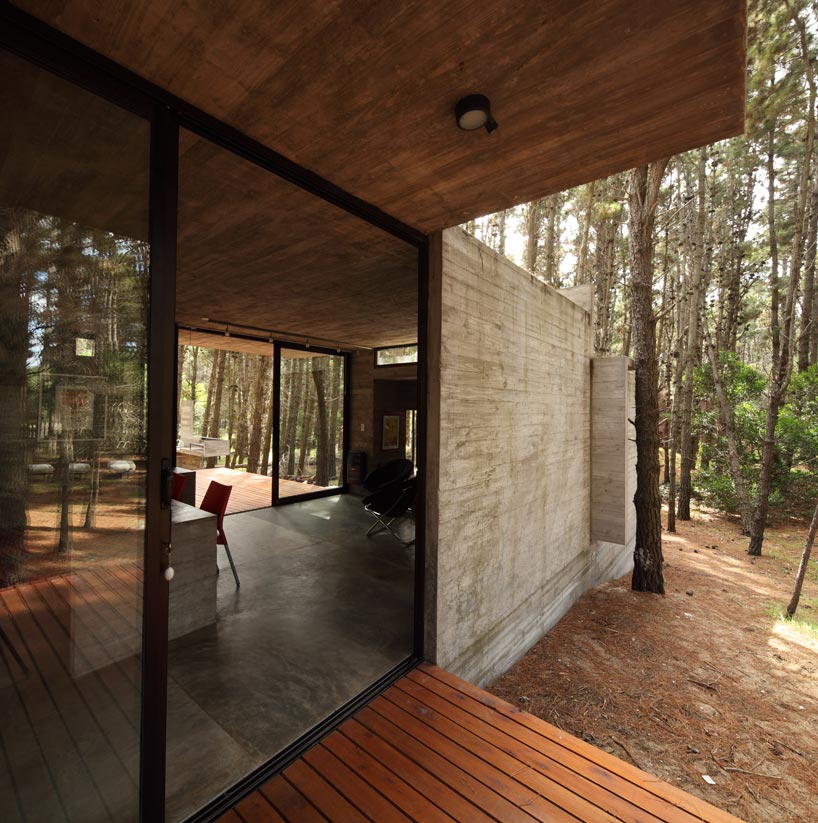
A concrete structure by CASA BB by BAK Arquitectos in Argentina

casa-bb-01

Casa-BB-BAK-Arquitectos-main

casa-bb-bak-arquitectos-105

who ‘needed’ a carpenter with proficiency in wood-plank form work.

Architectural Record

Categories
Architecture

How Architect’s Work

250px-PUCV

Valparaíso

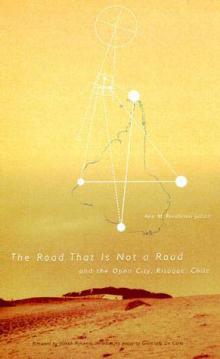
‘In the initial proposition of the Catholic University of Valparaiso to remove architecture from its doctrine, buried in mathematics and formalisms, and recenter it in the poetic word, is suggested an adoption of a critical rebalancing of the relationship between creative activity and the modern world. Creation requires a certain innocence, a suspension of disbelief, to occur.’ [1] ‘By engaging in poetic activity, the world of the Catholic University of Valparaiso allows itself through chance, mental and perceptual games, metaphoric operation, and so on, to discover its meaning and physical form, and to build and occupy this space: a space that has a gratuitous and mysterious quality and seems to refer to something on the other side of its physical reality.’ [2]

– Ann M. Pendleton-Jullian who wrote Road that Is Not a Road and the Open City, Ritoque, Chile.

road


[1] Page 174

[2] Page 176

How does this model apply to the profession of architecture beyond the university?

 Based on a handful of firm experiences I’ve had, I find the average architect is over-worked by multi-tasking.  Architects are drawing, coordinating meetings onsite, collaborating with co-workers, and working on five to ten projects with the expectation that many will need attention at once. How can these tasks be productive if they are uncoordinated? I’ve found the balance in taking care of personal desire first. This allows the freedom to choose where creative efforts are spent. What happens is that the following time tasks are done with true enthusiasm. “Live in the moment.” “Be the change you want to see in others.” Keeping these thoughts immediate in my mind while reaching out on a creative level to be influenced by architectural publications or allowing myself the opportunity to enjoy co-workers creativity and inventiveness, I’ve been able to enjoy the day that quickly slips by.

Categories
Architecture

Writing as an Architect

In the last year I’ve tried to find articles that both pique my interest in architecture and writing. I’ve found two great publications: Log and  Clog.

Log

clog


In an article in CLOG : Unpublished, one contributor describes writing about ‘what will sell.’ Mentioned in this lament is the desire to write about Revit, but the question of whether or not this is a marketable subject remains unresolved. This is just one of the relevant subjects architects face today as we produce to societies expectations and maintain the level of creativity our profession allows.

~

Additional online sources for Architects to have a voice:

medium copy

Medium

&

How Writing Can Make Architects Relevant

.

Cathleen McGuire’s advice on how to publish architecture from CLOG:

‘Compelling information about the source of inspiration and the program, succinct and well-written, really helps because we want to understand relatively quickly when we have a lot to consider.’

Categories
Architecture

Interior Design in Fresh Home

We received the first blanket of snow. It’s time to turn inward and focus on the inside of the house. A few sites to inspire below:

Fresh Home Image

Golden Ratio Rule in Interior Design by Fresh Home

Fresh Home Living

Interior Design Tips from Fresh Home

&

Advice from Erika Brechtel with her 5 Pieces Rule

small-shop-5-pieces-to-a-great-room

Categories
Architecture

A Tower in Zurich

The new 36-story Prime Tower in Zurich, Switzerland by Gigon/Gayer Architecten has a bistro with a puzzle piece ceiling.

primetower

primetower.ch

Along the exterior skin ‘every second or third window is operable -tenants can push them open parallel to the facade for a 6cm opening -creating an ever-changing pixelated surface.’

– Architectural Record June 2013

Prime-Tower-Gigon-Guyer-Architekten-main

photo found on Architectural Record

Zurich Prime Tower6_21_6_11 - Copy (2)

smye holland

Categories
Architecture Building Sustainably

Revit is Changing the way Architects Draw

DJC_com_Revit

-Image from Seattle Daily Journal

….

Hello, I am an architect, and I have been using Revit for two months.

I am committing something here.

I’m learning Revit.

What a smart program.

The tool takes between three to six months to implement for full advantage. The profession of architecture, engineering, and building is at the cusp of changing how we get from A to B; how we get from dreaming to a standing building.  Revit holds the capability for architects to follow in a futuristic call-out from Le Corbusier. We are again making machines for living.  This time though with the computer’s aid to see in three dimension; the building components put together in a virtual space.

My previous poem is both a venting mechanism as well as it is trying to be smart. Collapsing ribbons, palates, and bounding edges are the terms one must become familiar with to enable smart building. The program is only as smart as the user and in these instances you have to get them right. The architect must first know how to building a building! Then, we must learn the capability of the program.

Thankfully, I received my first instruction by an architect, Mike Pappas, working for MESA out of Crafton, Pa. When he is not heading up the architectural department for CDM Smith in Pittsburgh, Mike is working on BIMworks, a developing company that will train and assist Revit users.

Mike’s mantra led eight students for four days. ‘Let’s build it the way it will be built.’ ‘Make it the way you make it.’ In Revit, ‘Put it in, then get it right.’

His enthusiasm over architecture and everything we offer to this world in terms of intelligent building was contagious. While teaching with quick-wit and straightforward answers he was demonstrating the role of the architect as we all dreamed of the times in ancient Rome when architects were held as high as the profession of medicine.

This tool, when used correctly, has the ability to allow owners to see the spaces during the design process. The program can produce exact quantities for cost estimates, and orchestrate refined materials and systems that couldn’t be accomplished comfortably with two-dimension drafting. Energy studies are sophisticated, as one can place the building on any earth location. By providing solutions during the design phase, the architect is offering a more precise building that will look and act as desired once constructed. As consultants begin linking all of their models to one central model, unforeseen conflicts can be worked out before they are revealed in the field. This translates into savings, avoiding costly change-orders and smarter systems that are guaranteed to work together. Building consultants from Landscape Architects to Roofing contractors can all work together to build a model that is much less expensive than building full-scale models that may not work exactly as planned. When hiring an architect this service is priceless.

Starting a Model:

Building a model takes time. The way architects have prepared proposals for prospective clients have changed as well. While the most time has historically been spent during the construction document phase, to build a better model, more time is spent during the initial phase of a project.

The transition from architect to builder has been truncated in the past, passing from one hand to another as soon as a cost has been assigned. Mike Pappas was sharing his thoughts on collective ownership of the model (the documents for construction), and the building itself between all three parties –the owner, the architect, and the contractor. We all have to work as a team. Mike called us the army of architects. We are the virtual building coordinators who should be offering integrated project delivery.

Back to the Blocks:

The time to build a smart computer model can be time-consuming. The architect must decide what to ‘build’ and what not to ‘build.’ Knowing what contractors need to erect a building requires familiarity with issued drawing sets and specifications. Architects act like editors in this respect. With the future comes a new way of grabbing on to old traditions. The hope is that we are smart enough to take the time to use technology as an end to making our profession and our way of life better, entirely.

Project managers are now technology organizers too; making sure items are locked and kept precise. All of this may sound like Greek, but all we’re doing is learning a new language, learning a new language, and learning a new language. With more exposure, the unfamiliar will become common.

As something different and new is introduced, one has the tendency to reflect on the situation holistically. Architects are reaching forward to something our ancestors knew very well; how to build a building. They depended on architects to actualize cities concurrent with the dreams of moving forward, and they valued people who really knew what it meant to think smartly.


Categories
Architecture

Fairmont State visits Mills Group

Talking about Architecture

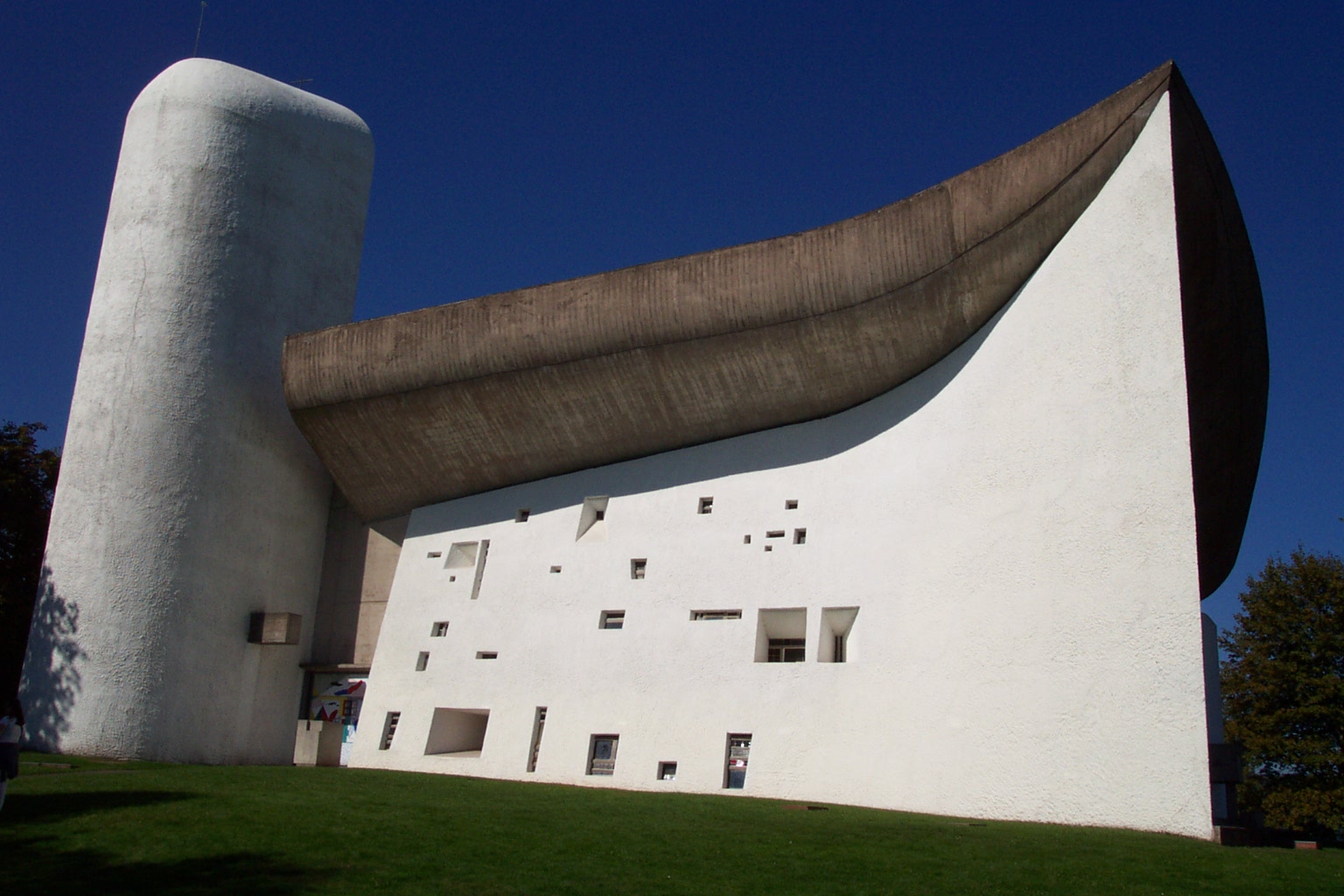
Ronchamp by Corbusier

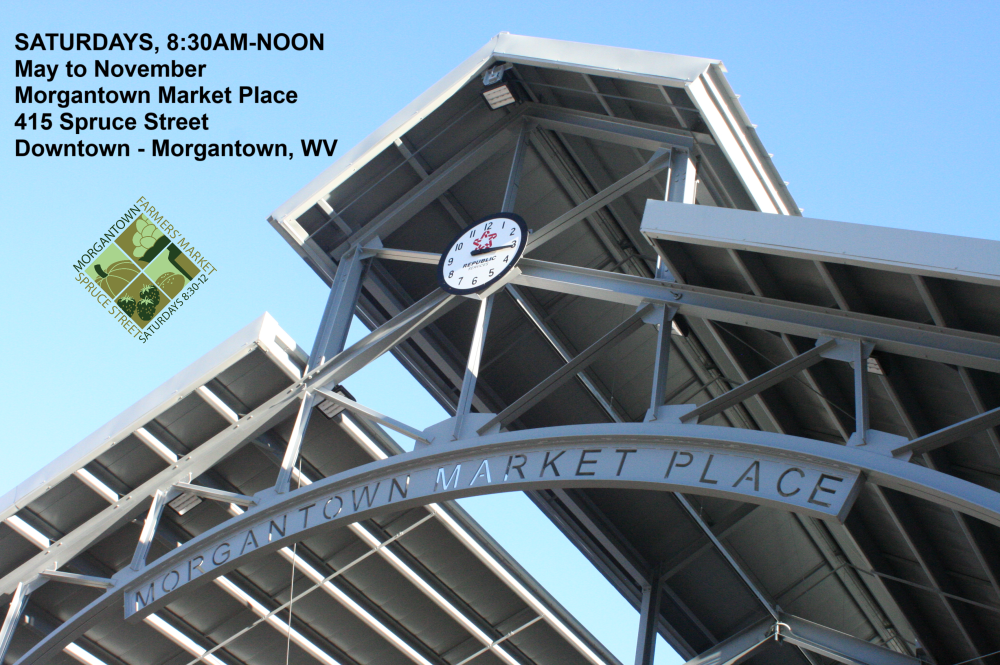
Last Friday our Morgantown office of Mills Group hosted six students from Fairmont State University. The architectural students were eager, as juniors and seniors, to learn what an architect does post-graduation.  Different people throughout the firm spent time describing the different aspects of our work. Interiors were discussed, then our latest and greatest video editing programs to create walk-though scenes were described and enjoyed. Sustainability was a hot topic and the nearby Farmer’s Market building was a great example of how infrastructure within a tight downtown grid can provide dual purposes for multi-use real estate. Transforming from a parking lot into a Farmer’s Market pavilion on summer weekends, the structure is a practice in sustainability. Hosting solar panels for electricity and recycling rain-water are two of the features among many design decisions for this “green” place to showcase local vegetables.

2939538_orig

I focused on three things for the Architecture discussion: Putting together a drawing set, how to become an architect, and what opportunities there are for architects.

Daniel Liebskind in Berlin_The jewish museum

I began with describing how architects act as mediators. We collaborate between the client and the contractor. Architects have to be great communicators. We know code issues, the proper way to tie in a footing, and we provide clients with a unique perspective on design and the arrangement of spaces.

The first step to beginning a project is being awarded the work. The architect must provide clients with a contract of architectural fees. We’ve got to be great listeners. We are tasked with putting down client desires on paper to be built! We have to discuss their goals, the site, timelines, budgets, and expectations. We must be organized and upfront.

So, let’s say the architect wins the project! The next step is pulling together all of the information that we’ll use in order to provide a realistic solution to what the owner is trying to achieve.

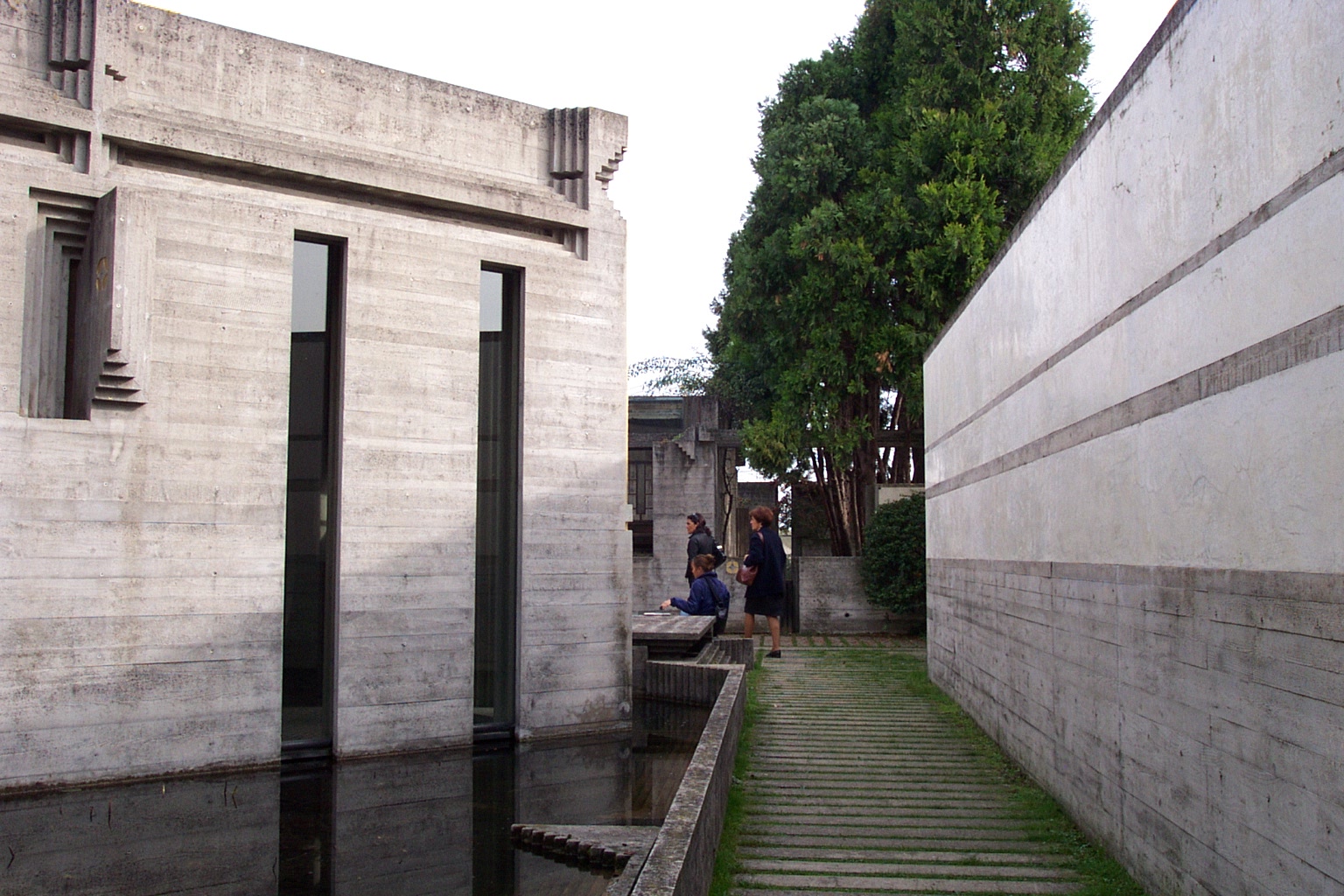
Carlos Scarpa at Brion Cemetary in an Vito d'Altivole Italy

The students and I began to talk about what inspires us. I talked about finding images and using them as a discussion tool with clients. It’s easy to differentiate between what one likes and doesn’t like when something is sitting front of you in black and white. We talked about sketching. Some students offered that they didn’t like being influenced during their inspiration periods and wanted instead to come up with something original.

We began to talk about the type of projects we’re working on in order to discuss how one should begin the designing process. I told the students, excitedly, that I learned something new every day; a new program, a new way of constructing something. Another young man talked about designing a building about ‘earth.’ Some projects were mobile home based. Projects in previous semesters were huge –healthcare sized works. After I discussed editing architecture, one student discussed a professor who was assigning a project a week. People new the profession, or new to the classroom feel daunted by where to begin. I offered beginning with what makes sense. If you feel strongly about one area then start there. Move off from that starting point. Don’t worry about editing. Just get something on paper. The perceptive gentleman thought this may be the lesson the project-a-week-professor was displaying. Eventually this task of design comes more naturally, and you find a rhythm to it.

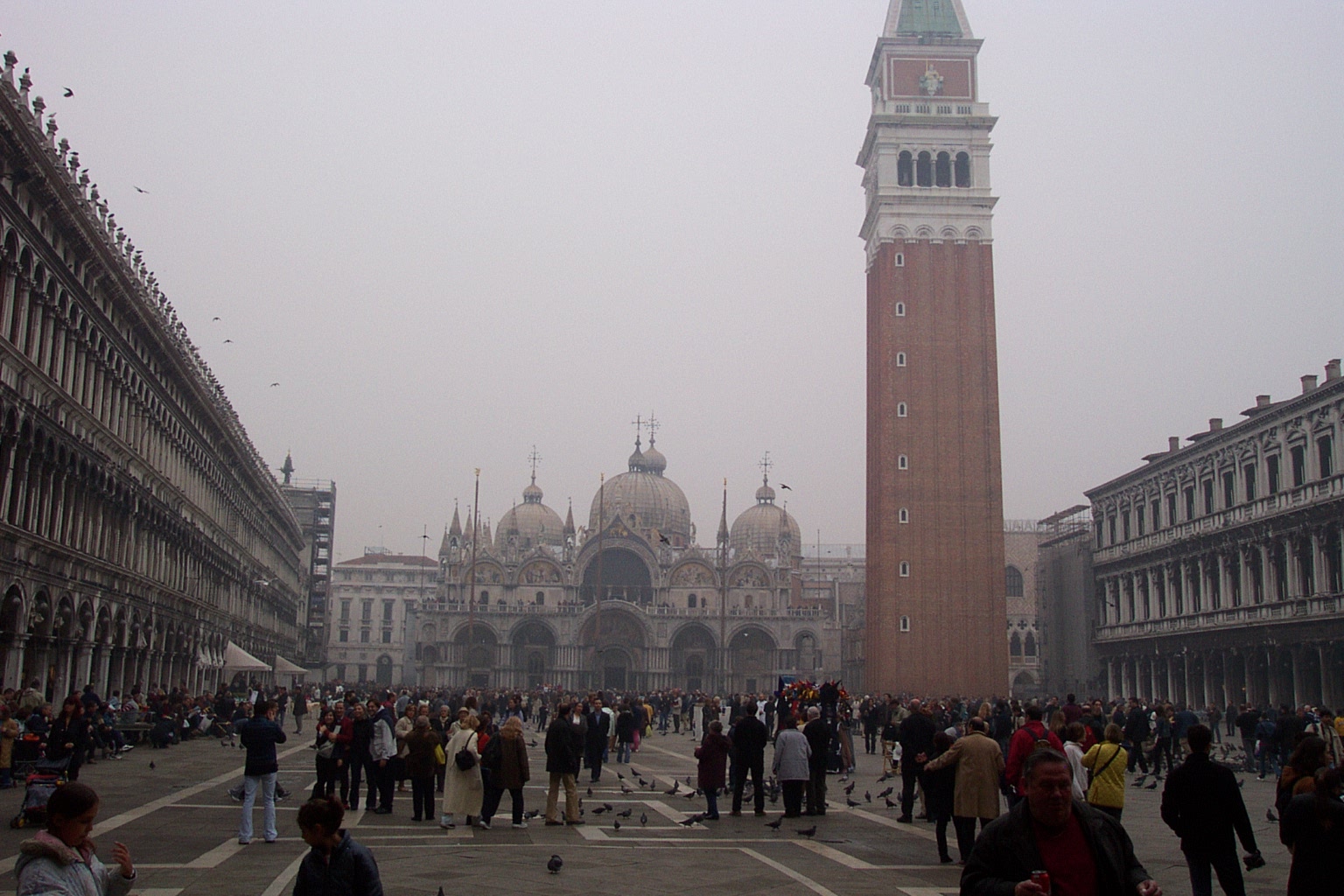
St. Marks Venice

I referenced past blogs about designing a ReFab Kitchen, and using images to discuss projects with clients to provide architecture inspiration.

At a certain point in the design effort, after the floor plan is approved, the architect needs to refocus the efforts and start to think of what a contractor needs to price and build the project.

We talked about ways we were presenting our work: sketches, computer programs, drafting, and sculpting. I quickly showed them construction documents and told them that they’d be doing things like this for the majority of their time while learning to work in an office.

Lake Como Architecture

The architect builds a construction set that is formed of lots of pages of details and then you solicit bidders. We talked about what a contractor needs in these drawings.

Once the set moves on to construction, you become a negotiator between the client and the contractor; acting as an agent for the client in an informed manner.

I encouraged them to ask to get out in the field and be a part of client meetings so that eventually they would feel comfortable running the meetings.

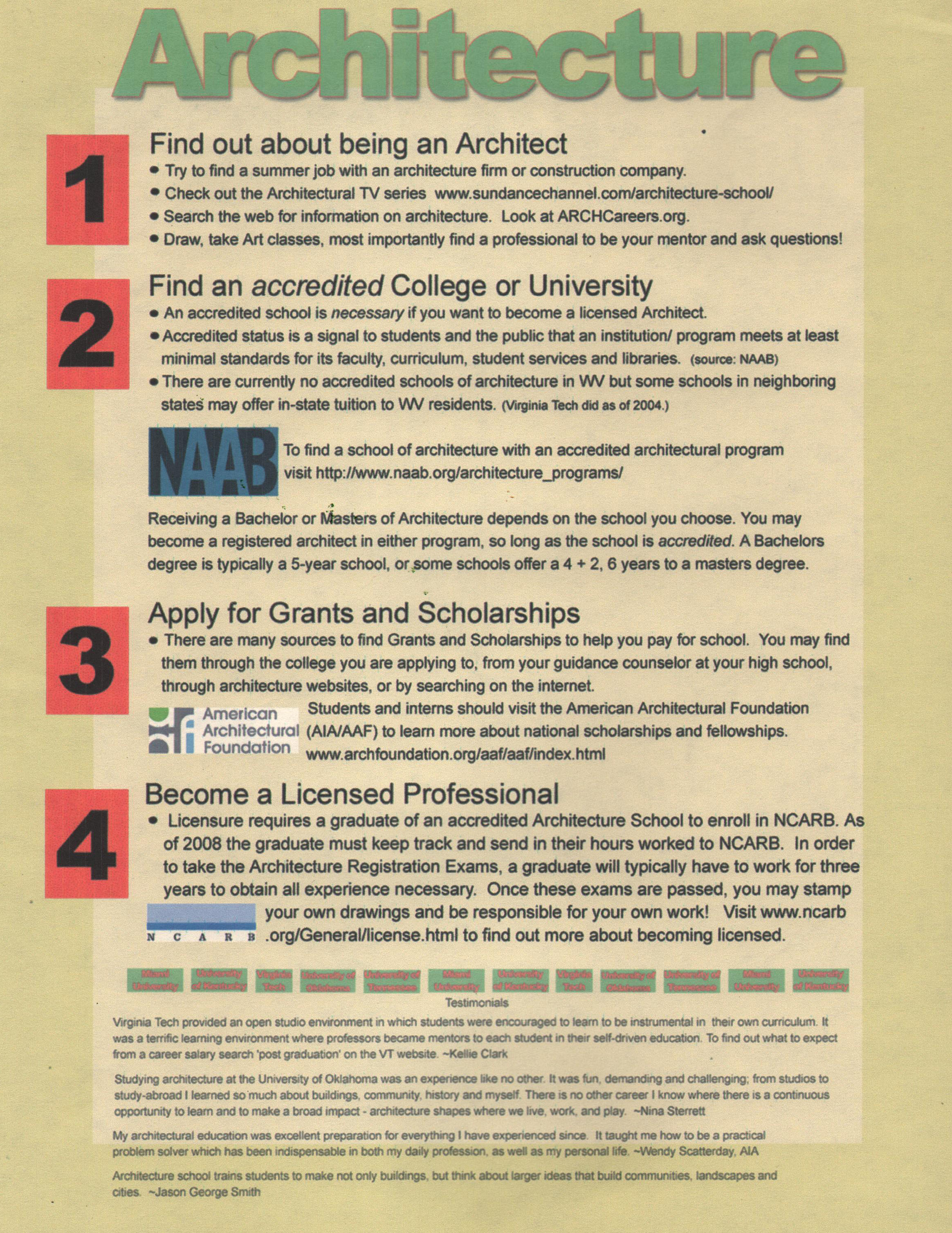
Then it was time for… How to become an Architect

How to be an Architect

As a student seek grants and scholarships. It’s easy to acquire $1000 but, not so easy to pay it back. Fairmont State is currently working to achieve an accredited Masters Program. The students were involved in making this very important step move forward!

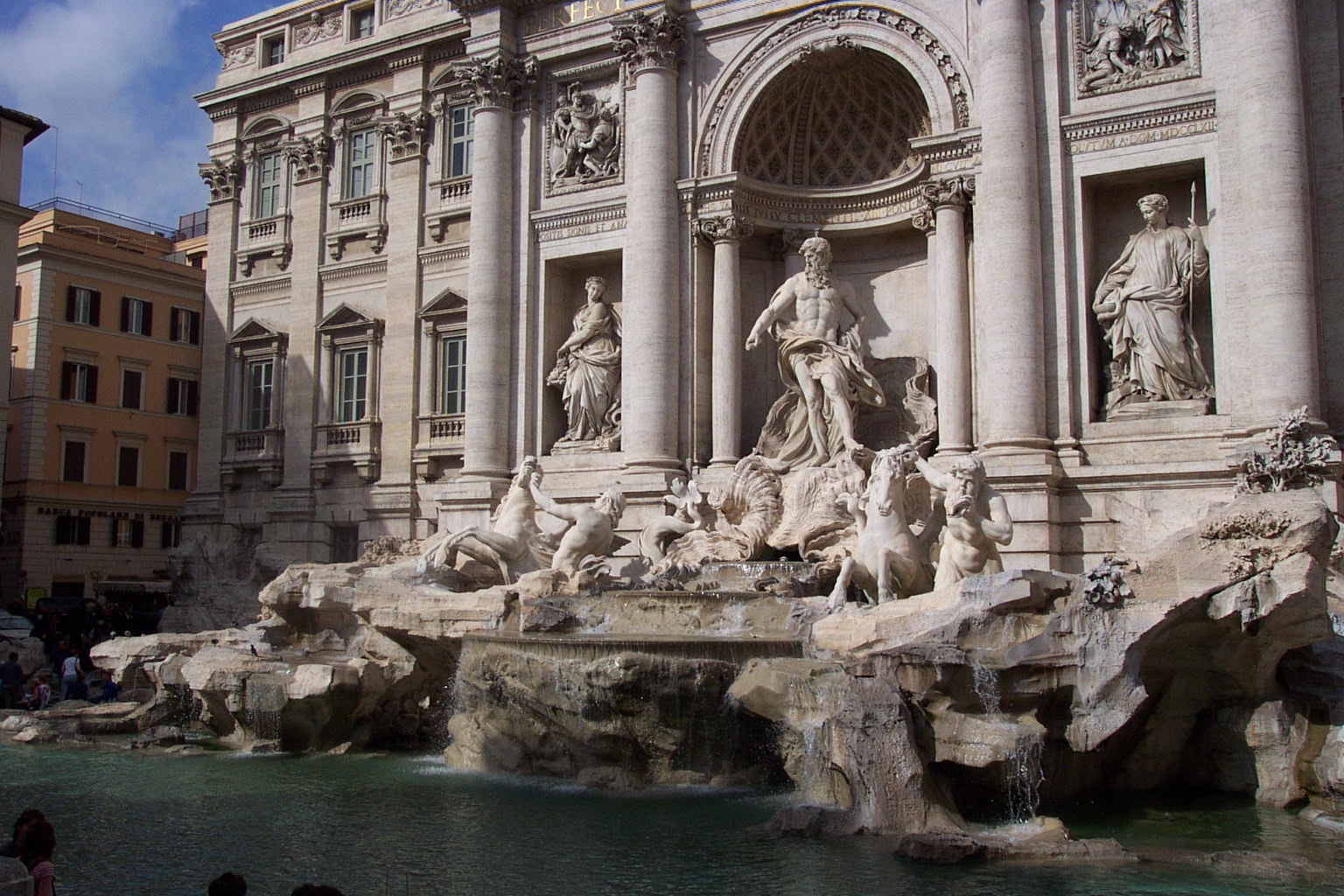
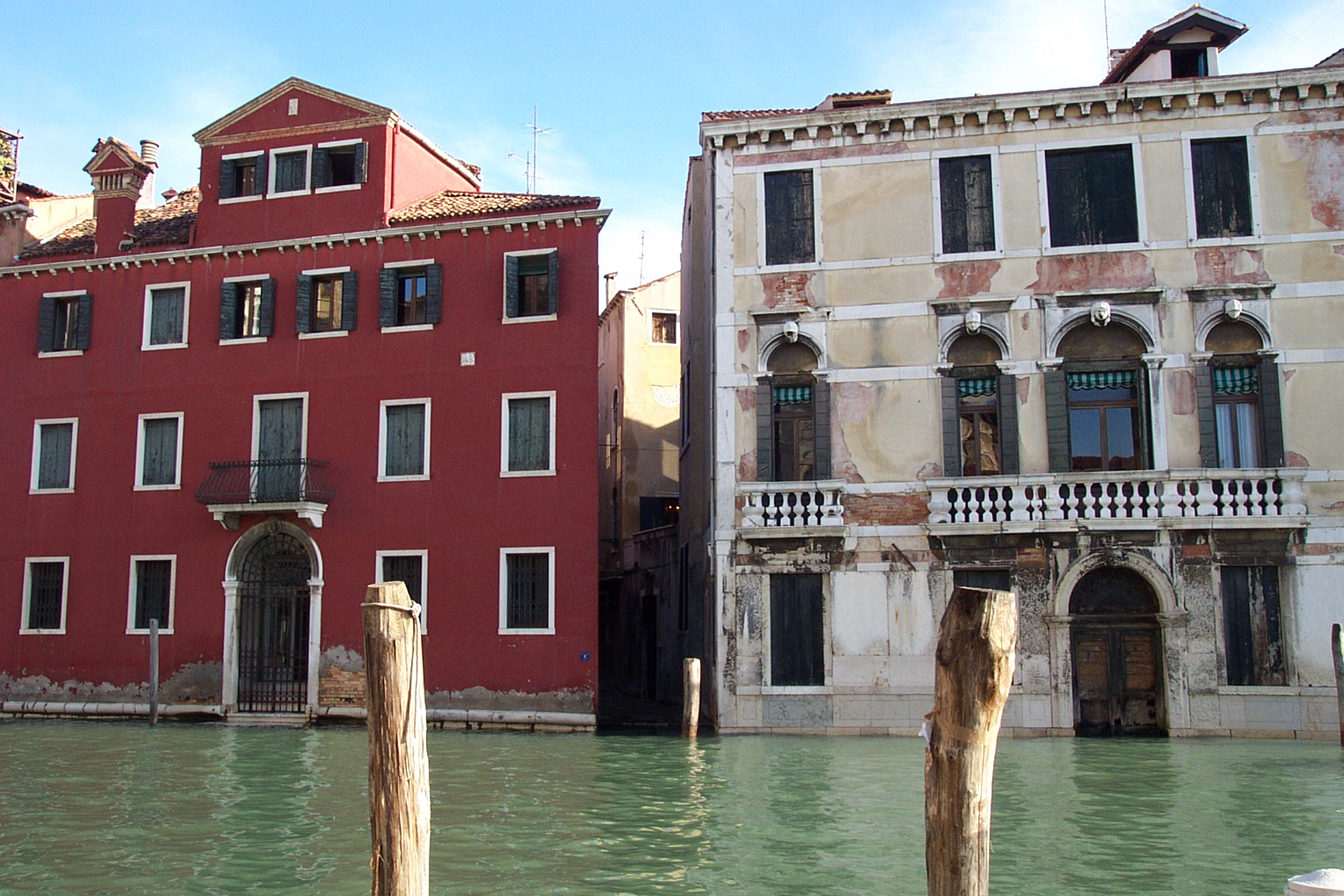
Last on my list, but the most enjoyable segment of my talk, was on opportunities for Architects.  It was at that point that I had the opportunity to discuss my favorite part about my architectural education: Travel!!! The images I used to describe my time through Portugal, Spain, France, Italy and Switzerland have been sprinkled throughout this blog.

As an architect you may work in all types of firms: architectural, graphic, landscape architectural, or architecture/engineering firms. Go wherever you get a job.

Live where you want to live and experience firms of all sizes. It’s not going to be the last job you have, but working somewhere gets your foot in the door. You’ll take any experience and build upon it. Be exposed to projects of all sizes.

We learn to be perceptive. Sketch and think of why you like places when you are in them. Critique them and discuss it with your friends. You have the opportunity to influence the way people live. You get to see your work in a livable dimension, it’s an incredible task we’re presented with and the profession needs young people to keep it active.

Keep a work life balance and be healthy. Everything can be an inspiration. Balancing what you love with your work is a great career to embark on!

Trevi fountain in Roma

Venice

Good job to Mariah for planning an afternoon to help young architects open their eyes to our profession.