Categories
Architecture Book Review Building Sustainably Environmental

Utilities Use – Electricity

How to help the fact that we need light!? Solution: arrange what functions you do in houses and buildings to take advantage of natural light. A window facing south will give you light 2.5 (x) the height of the window  into the length into the room. Clerestory windows are best at the ceiling height because they bounce the light right off of your ceiling, illuminating your room. Or, install a solatube, which can tunnel light to where you need it if the only thing between you and the sun is your roof.

and at night…

Plug load of light bulbs reduce by 75% when switching to LED and CFL bulbs. CFL rebates are available as are recovery centers for all bulbs.

Installing occupancy light sensors may be the best option in commercial settings, when no one person in in charge of turning off, say, the conference room lights when not in use. Wattstopper has a power strip that senses people and turns plugs on just like light sensors do. See the strip here and others from Smart Home USA. Light Occupancy Sensor Resources are listed in the book: Evecto GreenGate Levitron Lutron Sensor Switch , or take a look at WattStopper’s Energy Saving Calculator.

Sometimes the easiest way to understanding consumption of energy is to determine what you use. Like eating less when you count calories, a Kill a Watt may be plugged in an outlet like a power strip, and will display the power usage that anything you plug into it may be pulling.

“You can calculate your electrical expenses by the day, week, month, even an entire year. Also check the quality of your power by monitoring Voltage, Line Frequency, and Power Factor. Now you´ll know if it is time for a new refrigerator or if that old air conditioner is still saving you money.” From P3 International.

Begin by analyzing your home room by room. Look at your dryer and think of how often you use it. Most of us spend 10% of our energy bills on the dryer. It could be a good time to visit the Urban Clothesline site.

Look at the setting in your refrigerator, or just keep all of your cold items in a tupperware bin outside through the winter. (I’ve really wanted to do this!) You should set your temperature between 35-38 degrees, and keep the freezer at 0. Green $ense referred to: Absocold   ConServ Equator MicroFridge    Summit Compact Refrgerators, Sun Frost as models to reference.

Dishwashers:  Ariston   Asko   Bosch   Danby   Miele

Oh, and lets not forget hot to get rid of old appliances… Energy Star Refrigerator Recycling program Recycle.. it’s the perfect ending.

I’ve recently gotten cash for my electronics through BoneYard.

Do you know that in Rhode Island several communities have adopted a Pay-As-You-Throw program to manage the excessive waste of trash? You have to pay for the bright orange trash bags for trash disposal. The program aims to reduce waste and increase recycling. It allows residents to gauge what comes in because of the price attached to what goes out.

Energy consumption in heating and cooling the places where we live and work is astronomical! Later, when a good building envelope is discussed, we can learn how to keep our inside air in places where it should be. But, as far as how to make a comfortable environment in the first place is another story.

During the summer, when most places are hot, our home attics are extremely warm.  If your house isn’t a passive house which would direct that hot air through natural ventilation, you may consider a few natural ways to let the hot air out by letting it rise. The book discusses solar powered attic fans by Sunrise Solar and I’ve seen them by SolaStar as well. A whole house fan is another option, and Green $ense offered one by Jet Fan USA.

A programmable thermostat is a great idea to consider. In Ohio right now Columbia gas is offering in home Audits for $50. With that a programmable thermostat is offered in the package. This allows you to have heat when you need it most. Not when you aren’t at home, and not when you are under the covers. If you are thinking about building a new home, imagine your house broken into temperature zones. Places where you have a lot of southern light will be warmer, and tend to need different air conditions than do the shady Northern facing rooms. A good architect 😉 can make sure your temperature zones are ducted to properly. See more at the future House Warming post.

The book discussed a fireplace heat exchanger upgrade or and EPA certified insert which I looked up on E How to try to understand a bit better. The idea is that you can insert a new energy-efficient unit into your existing hearth and allow the heat generated by the fire to help generate heat into your home through a blower door.

Inserts for wood-burning fireplaces improve the safety and efficiency of the unit. An insert is a metal firebox, often with a glass door for visible flames, which fits within the fireplace opening, allowing the smoke to be vented through the existing fireplace chimney.-E How

The next idea after lowering consumption is to consider creating your own power using the sun, a local stream, or passing wind.

The hubbub about Solar Panels: Think of them as an appliance you can move with you. the DSIRE is a great website source that offers the most up to date incentives for renewable energies.

Micro-hydropower uses a water to be a generator of energy.

Micro-hydro power systems use an intake box to divert water from the stream and prevent debris from flowing into the system. The water moves through a pipe that is connected to a turbine. The pressure of the water rushing through the turbine causes it to move, which generates electricity. Excess energy is then stored in batteries or diverted to a dump load. –Acreage Anywhere

You must contact several authorities before doing this, such as the Federal Energy Regulatory Commission (here), the Army Corps of Engineers, the local county engineers office,   and the system may cost between $5,000-20,000. But, before dismissing this all together, think about cost holistically. The cost of what you are paying your electric or gas company, the cost of what they are possibly doing to the air where they make your power, what is lost in translation, etc. Gauging all factors makes things a different story.

I’ve recently been introduced to the Fujitsu Mini-Split heat pump by a friend who uses the system to create a warm room in his super-insulated home. It is a ductless system that runs coils through your walls to a wall or ceiling mounted unit that heats or cools your air for comfort.

How cool! or… warm?!

Come back Monday for the next series post!

Categories
Architecture Book Review Building Sustainably Environmental

Green Sense Book Review

Book Review

of Eric Corey Freed and Kevin Daum’s book

Green $ense for the Home

I’ve been greenwashed! Not by this book that I chose to read, but in my magazines with new products, with emails and commercials. Everyone is All Natural now (what were we?), I am buying Artisan Bread, I can breathe easier, my soaps are Locally Made… yeah yeah yeah, but is all of this good?

That is the most difficult question because being Green and living Sustainably has so many facets. In my own practice I try to weigh a Green Thing by questioning:

  • What’s in it?
  • Where did it come from?
  • Is it something I could make or do myself?
  • Is this a product being marketed as good only to make a buck?
  • How does it add up on the grand scheme of my lifestyle?
  • Is it something I could use in my work or home?
  • Will it or the idea of it make life easier? Less complicated?

Green $ense made me look at their green solutions in two important categories:

The Building Envelope    &   Utilities Use

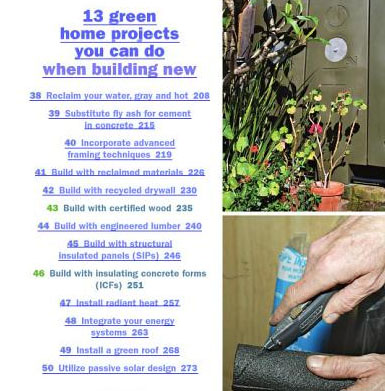
The book breaks down contents of going green into three categories: 16 green home projects you can do today, 21 you can do tomorrow, and 13 green home projects you can do when building new.  Conclusions are given after each topic after Eric the Architect and Kevin with the financial perspective go back and forth. They call it the bottom line.

.

I have decided to split up this post over the course of a few days to help in understanding the sheer amount of information it contains. So, tomorrow we can begin with the first part of Utilities Use!

Categories
About Me Travel

Party of the Decade – 30th

I turned 30 in the air. My husband and I were flying back from a week spent in Colorado Springs.

We were welcomed home with cupcakes and pie dessert, made in part by my like-a-sister-friend and her 3-year-old niece. They sang and I blew out candles and we all caught up, it was great.

I came into my office Monday to banners and big balloons! What fun 30 was going to be if these were my first few weeks!

I’d just spent time at high altitude enjoying the sun and friends the week prior. We’d gone snowboarding at Monarch Mountain under a blue sky at 12,000 feet.

Boulder is a low-rise city. I hadn’t realized that. Perhaps it was to preserve the prestigious view of the mountains, though we couldn’t see them through the clouds (what?!) the day we were there.

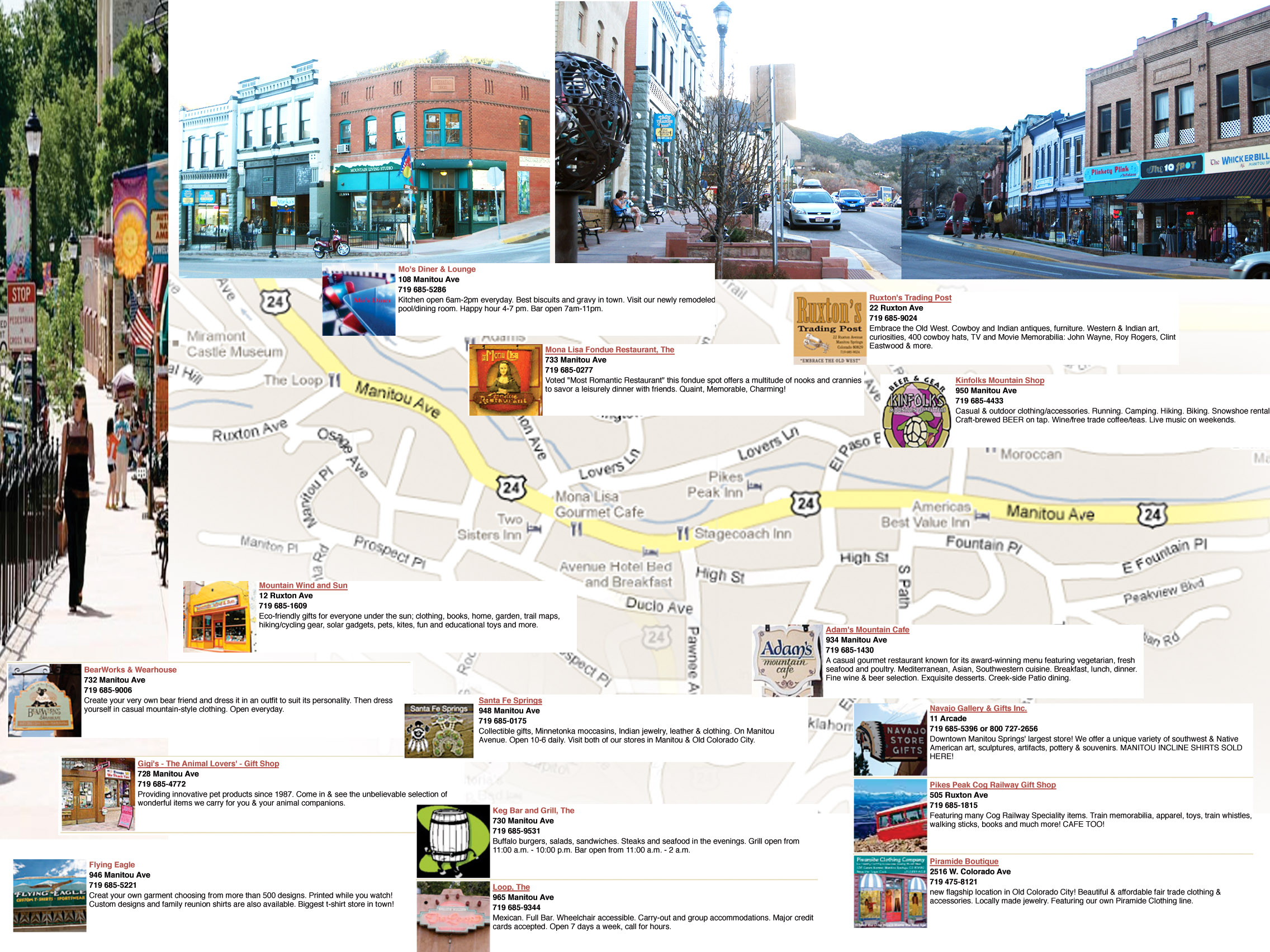
Adam’s Cafe Saturday night in Manitou Springs: I didn’t realize it when we were eating our delicious fig, brie & onion appetizer, but later realized it when reading the community section of their website, that there is a community table, where anybody and everybody can choose to sit and meet anyone else wanting to converse with someone new.

It is a rich and eclectic but tidy Indian decorated restaurant beside a stream in downtown Manitou Springs.There were deep Indian culture art pieces gilded in gold frames. We sat at a round maple table with vintage chairs in the corner.

The week spent in Colorado held many opportunities to try lots of craft brews (in between water.) We watched a documentary, Beer Wars, on the rising of craft brew popularity.

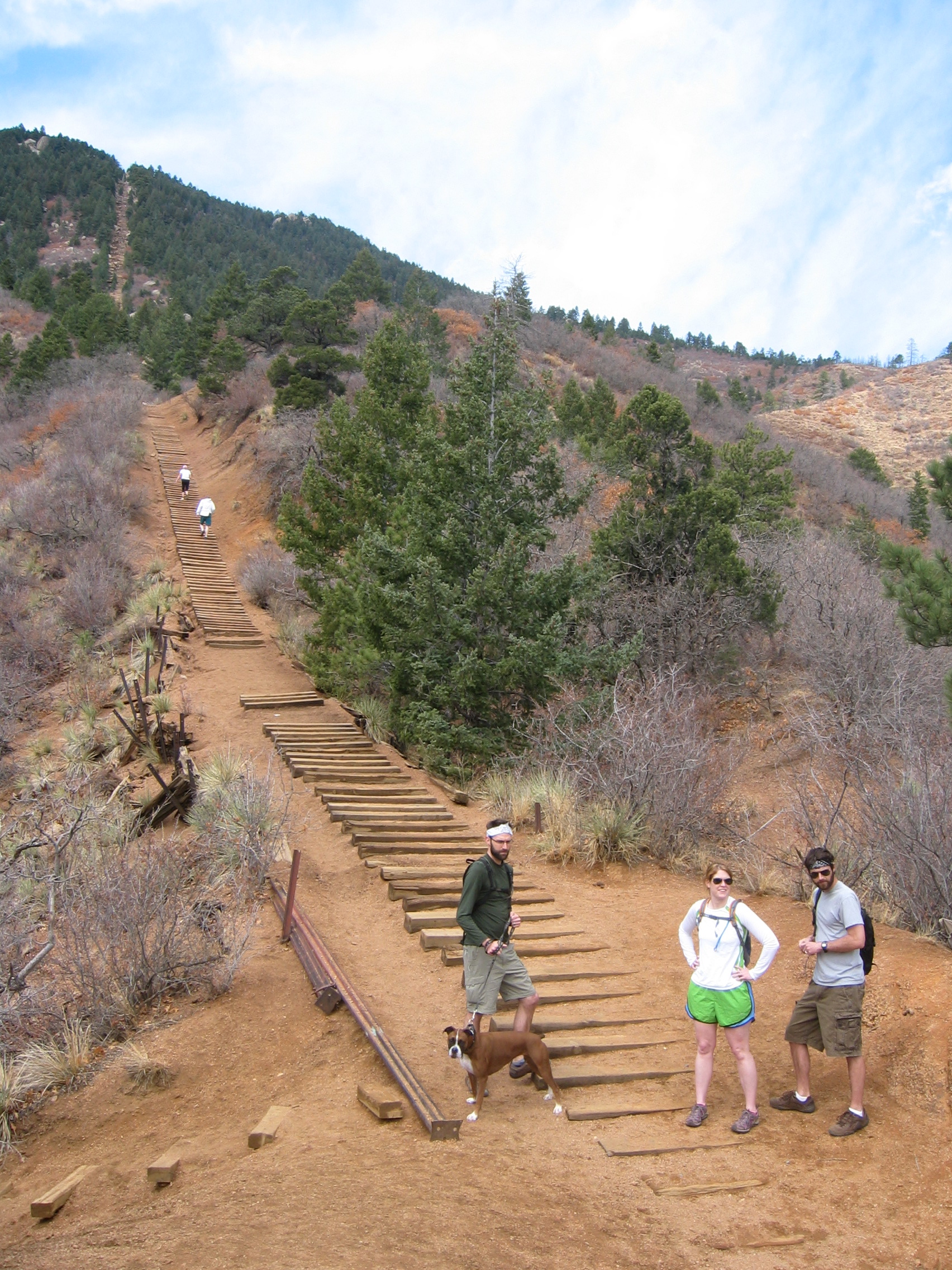
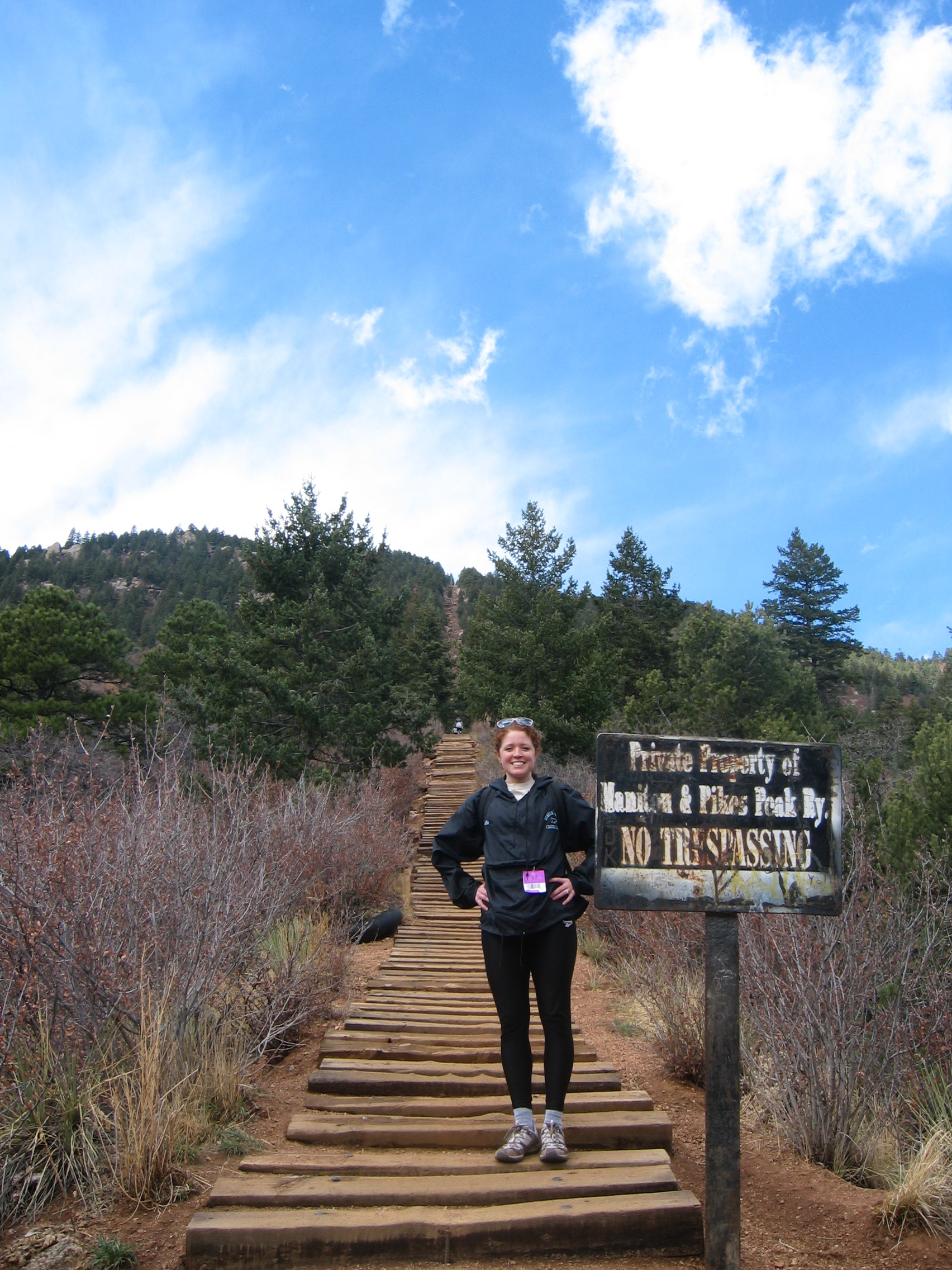
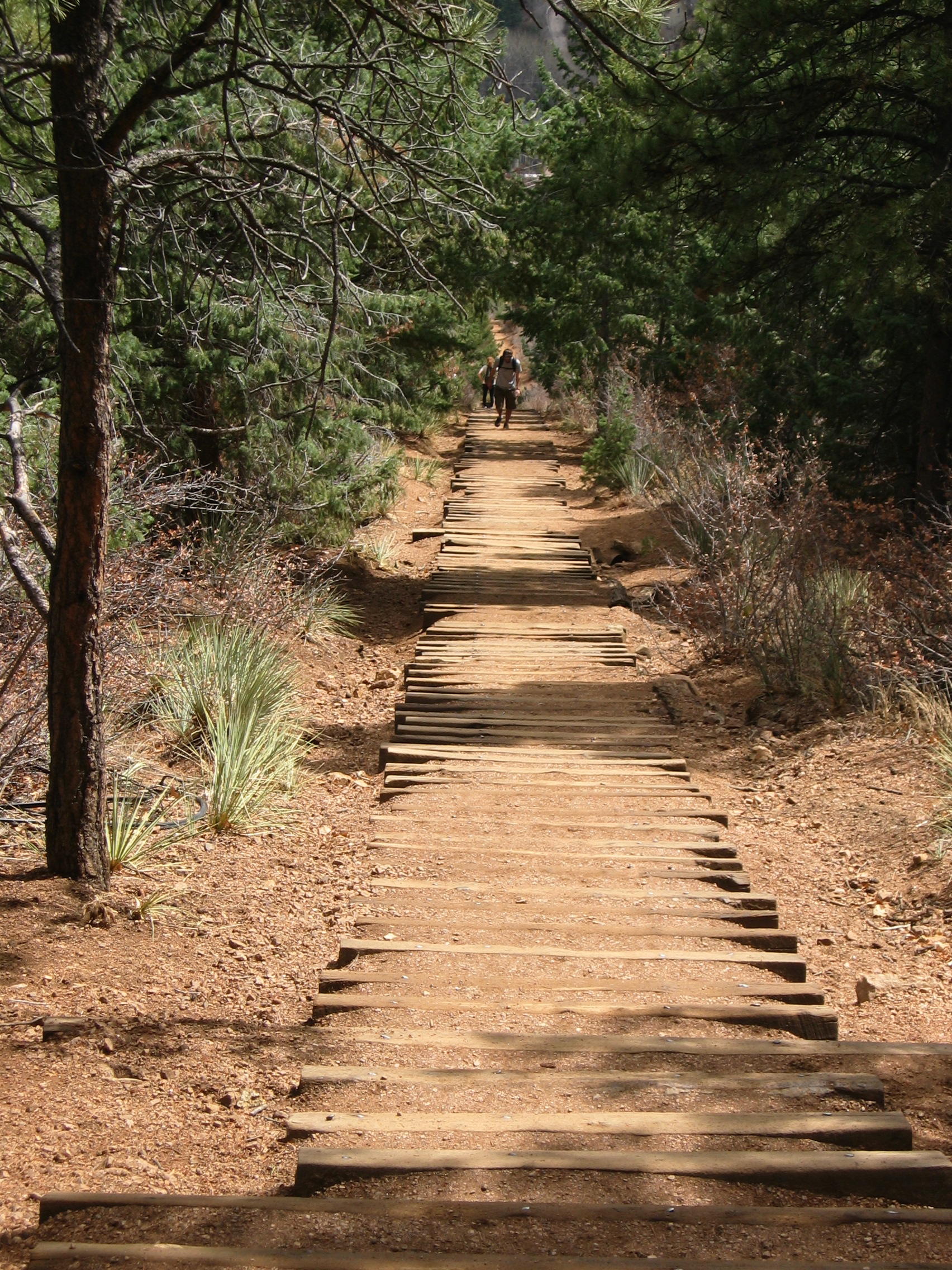
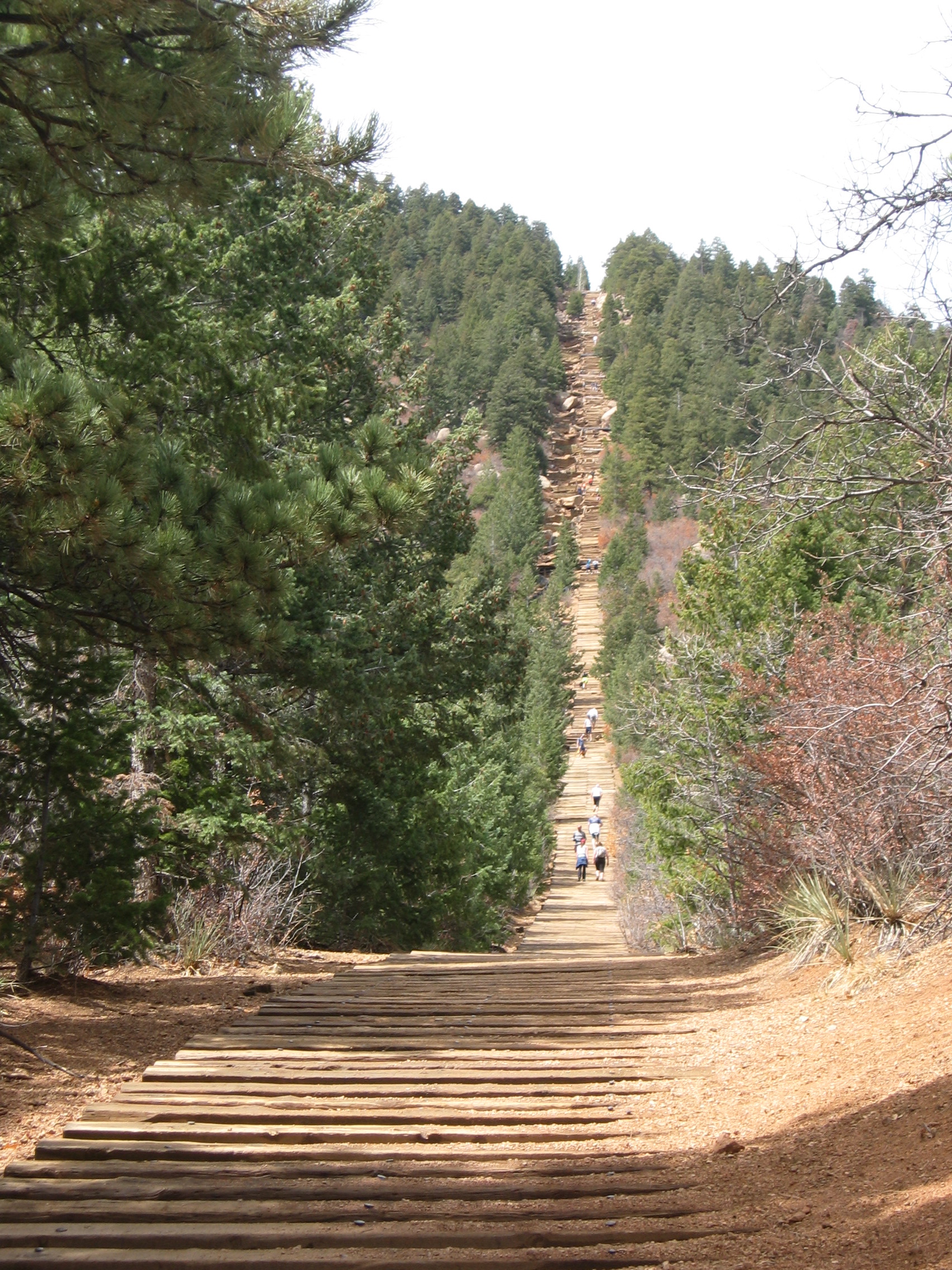
I breathed well during the trip with big gulps of air, expanding my lungs and ribs as deeply as I could just to take it all in. A highlight hike was the illegal Incline. One mile to climb 1800 feet. Many people, about 100 a day, take the journey and if you go at a slower pace some people get to be very open about themselves. There is something along side physical exhaustion and true honesty that goes hand in hand. Everyone feels better after going outside!

I wrote about my husband and I’s rating system with Hikes in a past post titled Interlaken, A town for Extremists. I just added The Incline as a difficulty level of 8. The good thing about this hike was that it was relatively quick!

10    Mt. Saint Helens Summit 8 mi (1 day)
9   Grindlewald -Fulhorn- Schinge Platte – 14 mi (1 day)
8    Gresalp to Murren via Sefinefrugge -10 mi (1 day)
8    Katahdin Summit (AT) 9 mi (1 day)
8    Beaver Brook (AT) NH (to Beaver Brook Shelter) 1.5mi
8     The Incline, Manitou Springs CO

7    Laurel highland Hiking trail (Ohiopyle to Rt. 653) 19 mi (2 days)
6    Warrior Trail (Greensboro to Covered Bridge) 12 mi (1 day)
5    Dolly Sods (Little stone coal -Big stone- breathed mt. Lionshead) seven mi (1 day)
5    Monterosso to Riomagiore (IT) Cinque Terra – 5mi (1 day)

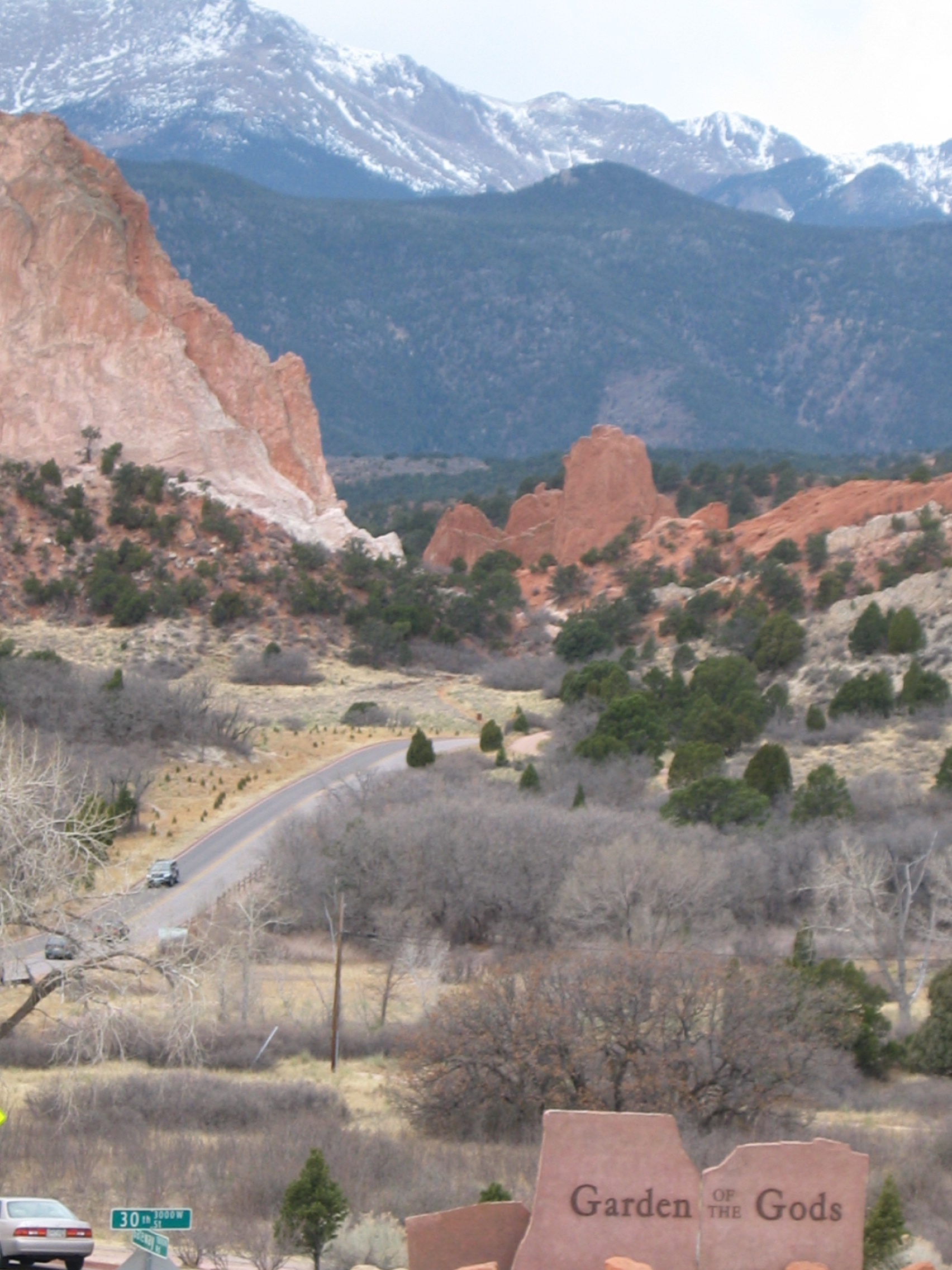
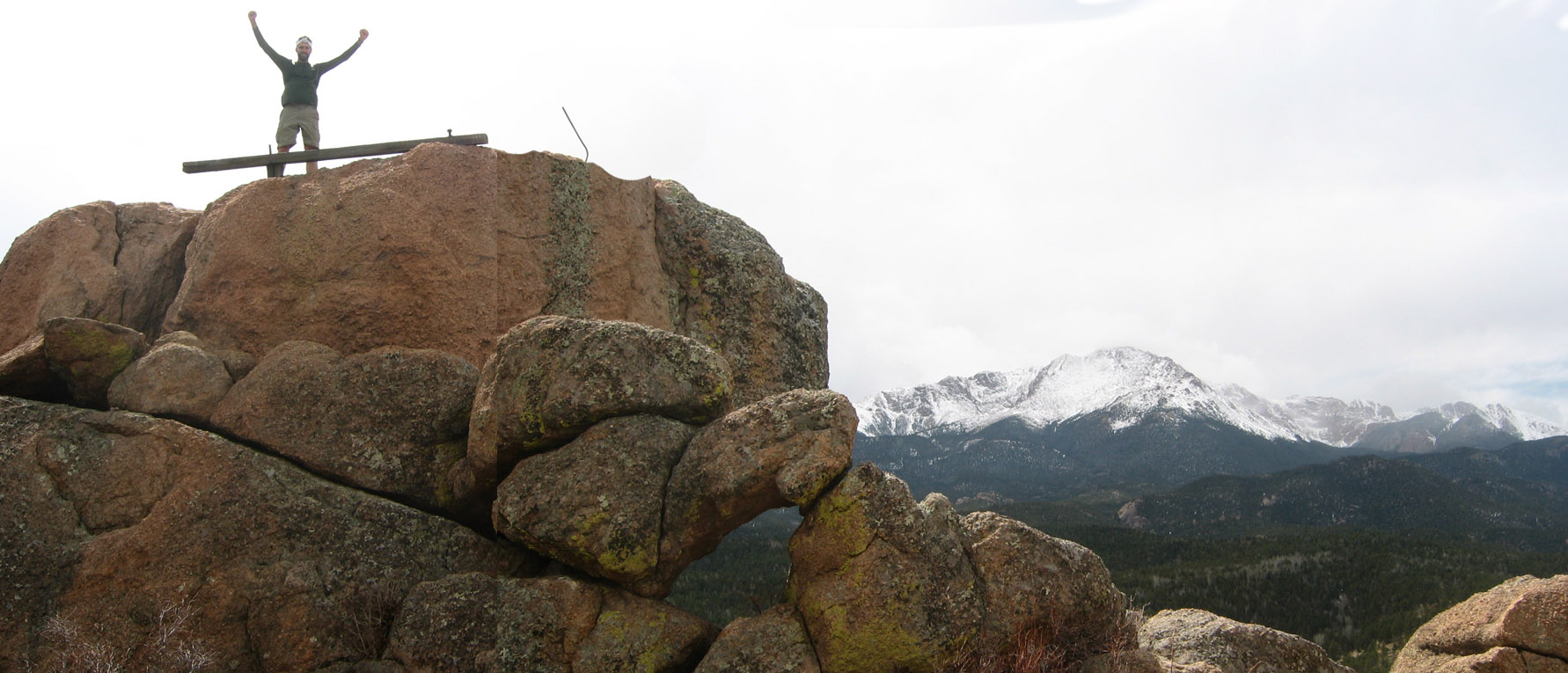
Phil and I kept climbing after the top of the Incline, high enough to look over Manitou Springs and Colorado Springs, high enough to see the east side of the ridges flattening out. We could see the Garden of the Gods from up there and see the reddish land sliding down into the city.

Later in the week we visited a quarry where limestone had been pulled but the Rockies red rock was left to look like the pyramids in Egypt. Could the pyramids have been carved? Or were the apparatuses to build them long ago biodegraded into the nearby sand as to keep the secret?

Hey! Don’t jump!

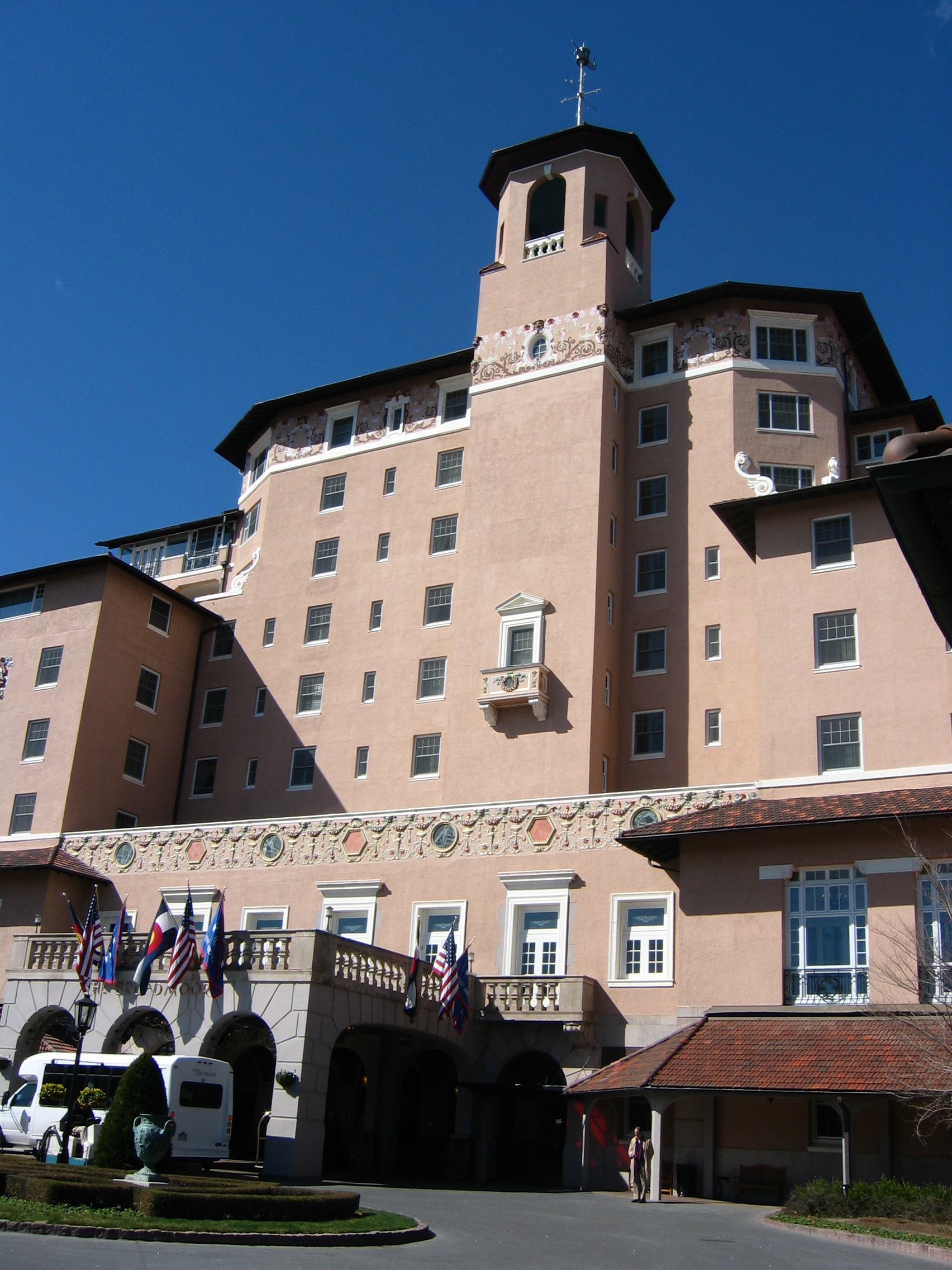
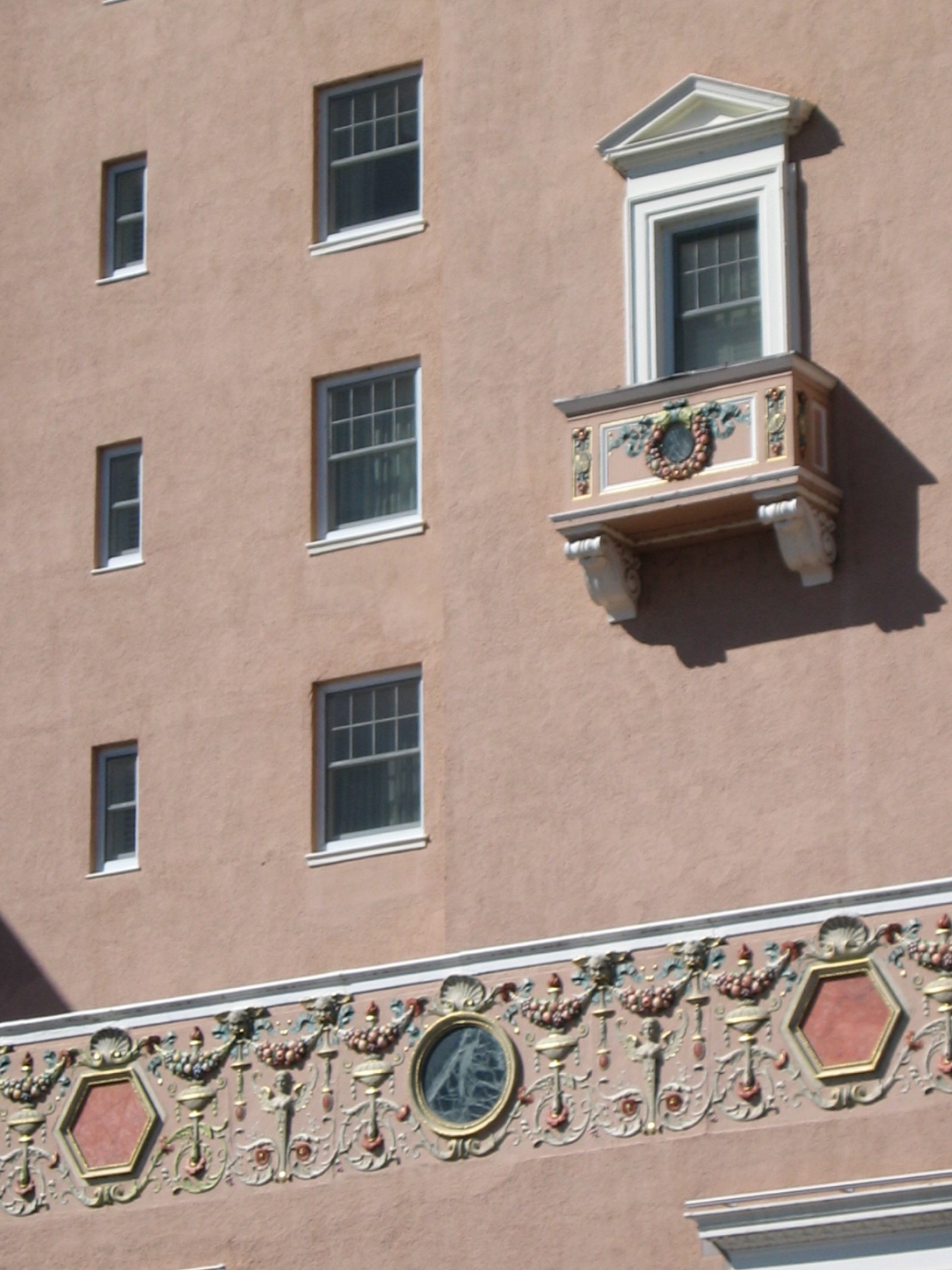
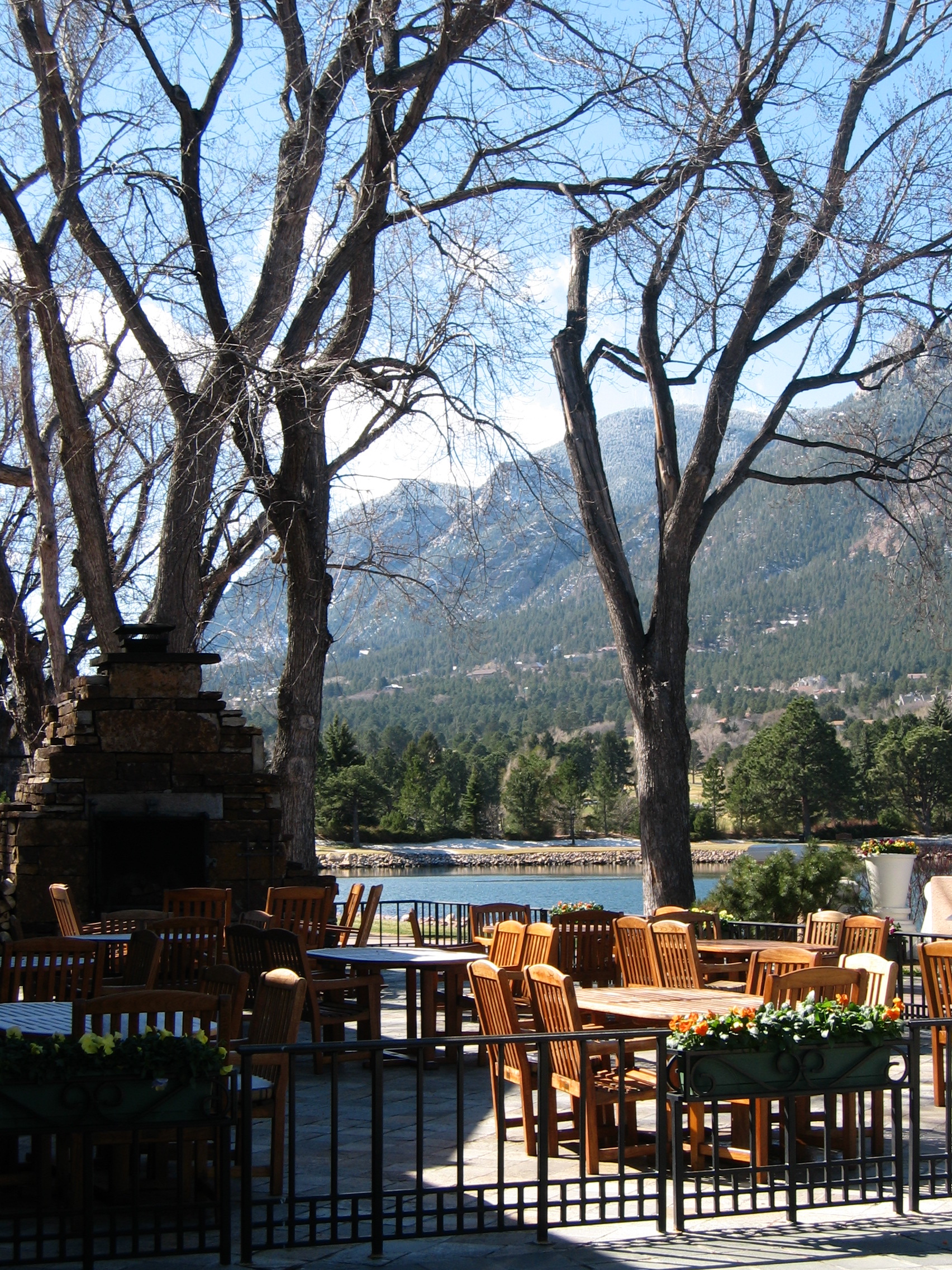
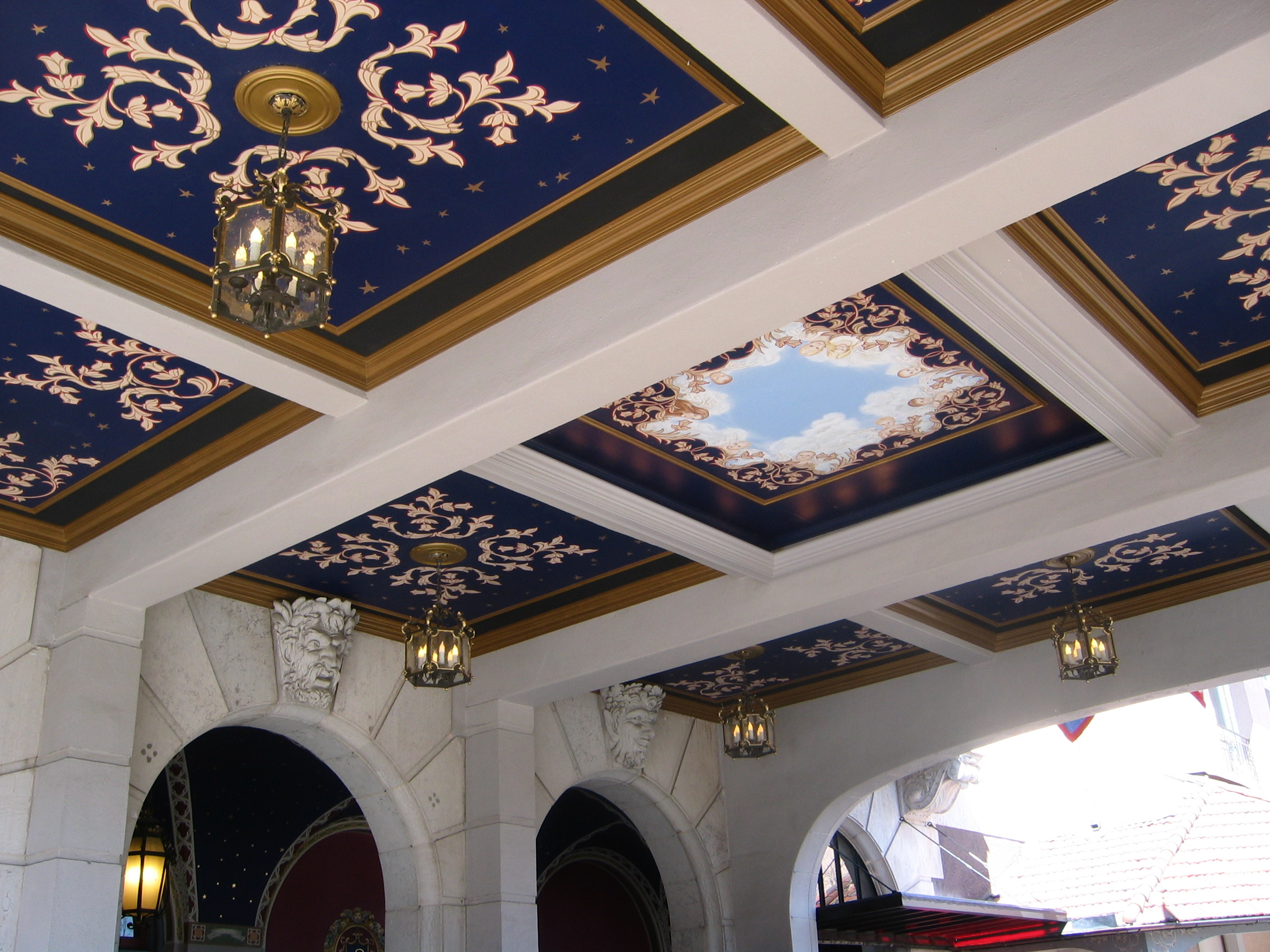
One day we spent time at a mansion on the lake, The Broadmoor… the Oglebay of the Rockies. The main building is of the Italian Renaissance and the interior held many ornate wonders. The lake lies behind, and it all looks toward Cheyenne Mountain. The architectural detailing that pulled me to go was the painted underside of their porte-cochere.

Indian Native Castles

a midnight journal by

Montezuma’s castle

in lattice work ceilings

deep blue starry nights

spanish influence with a Navajo ornateness

ceramic fountains and flower pots

the yellow stripped pool pavilions

I felt trapped in a majestic maze

some sort of mystery among the spirits

thin panes of glass in doors peering

into the next fire lit room

a sun-drenched place

at the windy side of the lake.

.

Categories
Building Sustainably Community Environmental

Americans are Close to the Soil

.

‘Americans are close to the soil.’ Faith said to a group of twenty people who gathered last night to discuss The Power of Community.

That was, the film’s director Faith Morgan. The film, released in 2006 captures how the island people of Cuba have formed alternate ways of transportation, organized the decentralization of universities, and have begun to depend on one another in collective efforts of their community to survive the past 20 years.

The full title of the movie, The Power of Community: How Cuba Survived Peak Oil, more accurately describes the discussion with Faith Morgan after the viewing. What is Peak Oil? Is there an effort to deal with Peak Coal? How can the secluded and resourceful nature of island people help the U.S. to define and enact false boundary definition in order to train ourselves to use the local resources in our own lives?

Faith Morgan spoke to the power of discussion. By simply living, working and depending on your neighbors, we make one another aware by our interaction of life choices. We slowly spread a sustainable life message and make ourselves available to learning from their life experiences as well.  She and her husband, Pat Murphy, have a mission to ‘ Wake People Up! ‘ To engage communities in community solutions. Ms. Morgan, an avid gardener, painter, and film maker is also the executive director of  Community Solutions, founded by her grandfather in 1940. It is ‘a non-profit organization that advocates for small communities and the benefits of face-to-face relationships in a particular place.’

Our group discussed Faith Morgan’s next film about the German Passive House and joining us in the crowd was Linda Wigington from Waynesburg, Pa of Affordable Comfort, Inc. (ACI). She leads the 1000 Home Challenge – enticing us to be smarter than our energy bills. But, how do we get our communities on board? A few people in the group were skeptical, but there were plenty of examples there in the room. Some people have Net Positive homes, others have built underground houses. Faith discussed an involvement by example, or a demonstration house to exhibit the no-brain-benefits of thickened walls and the importance of order in completing efficient home retrofits. These are for any homeowner who wants to lessen their dependence on electricity or gas in their home. Ultimately affordable comfort aims to provide comfort for you, your wallet and our earth.

Scattered notes that I scribbled in a fit of inspiration over the evening are as follows:

.

The bicycle transformation of Cuba after the Soviet Union collapsed.

During the special period.

Permaculture and working within boundaries to clean

every square foot of property has turned into an orchard

working with your neighbors promote a local economy.

Social fabric.

What is our existing collective sense of purpose?

You don’t need that much to be happy.

.

CubaAssocPress.jpg

Photo by Javier Galeano, Found at CityFarmer.info

.

‘Thank you’ to Faith Morgan and everyone who attended last night’s Book Club Event!

Categories
Book Review

The Power of Community. Curious?

.

 Tonight is the Third Thursday of the month!

That means that the Environmental Book Club at Oglebay is meeting. Tonight we will watch the

Film Viewing of The Power of Community: How Cuba Survived Peak Oil at 7pm with special guest, director of the film, Faith Morgan!

~I hope you can join us another time too~

Click to download a Poster – 2011BookClub


Categories
Community Travel

The Grass is Greener where I Live

…a week spent in Colorado Springs.


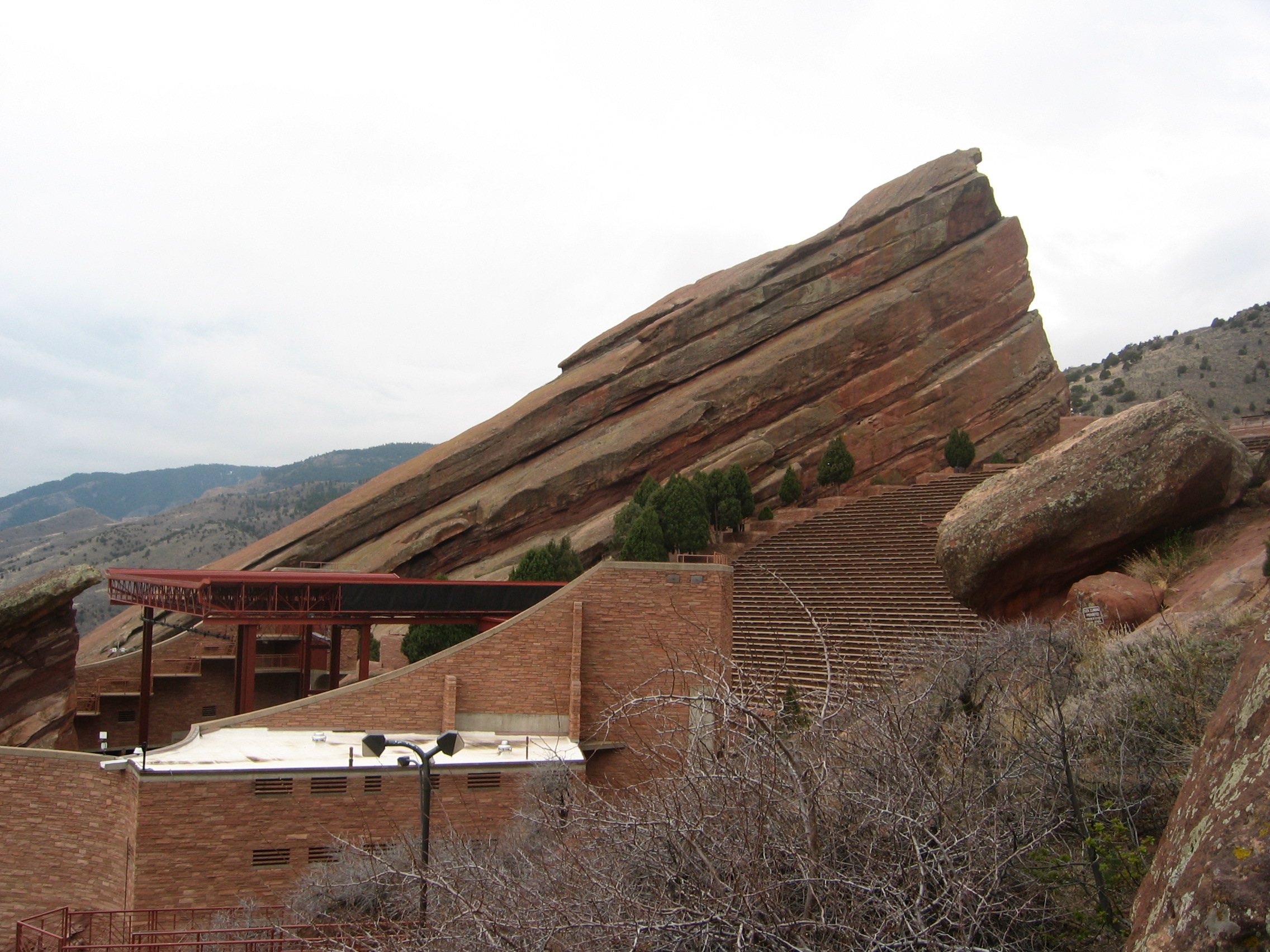
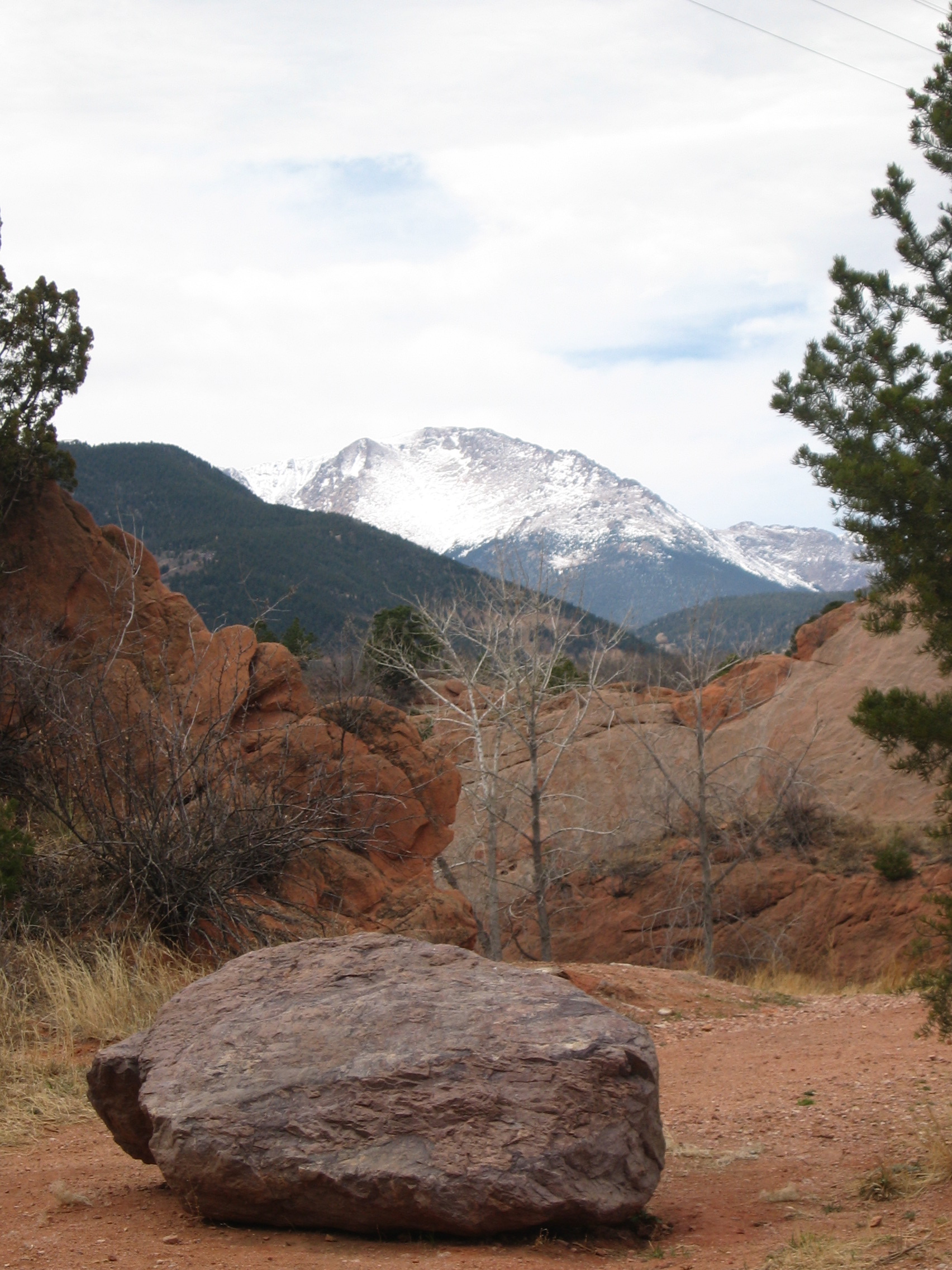
Colorado is a dusty place with a western flair in the front lands where we were in Colorado Springs. My first time in Colorado mesmerized me.  The cave dwellings are here, the healing springs in nearby Manitou Springs, the Broadmoor, a resort by the lake with Rocky Mountain backdrops which will host the Women’s U.S. Open this summer is located here. The Garden of the Gods has a garden of vertical red rock slabs coming from the earth in hundreds of feet high. Colorado is a mystical place where I could sense past tribes, an old culture living in the mountains, a place that still held a maze of spells out to it’s visitors. My husband and I spent a week with old friends and here is what we uncovered.

Stone pillars in the airport walls.

The wind trying to break in our apartment at 3am

it was only rolling down the mountains just west of us.

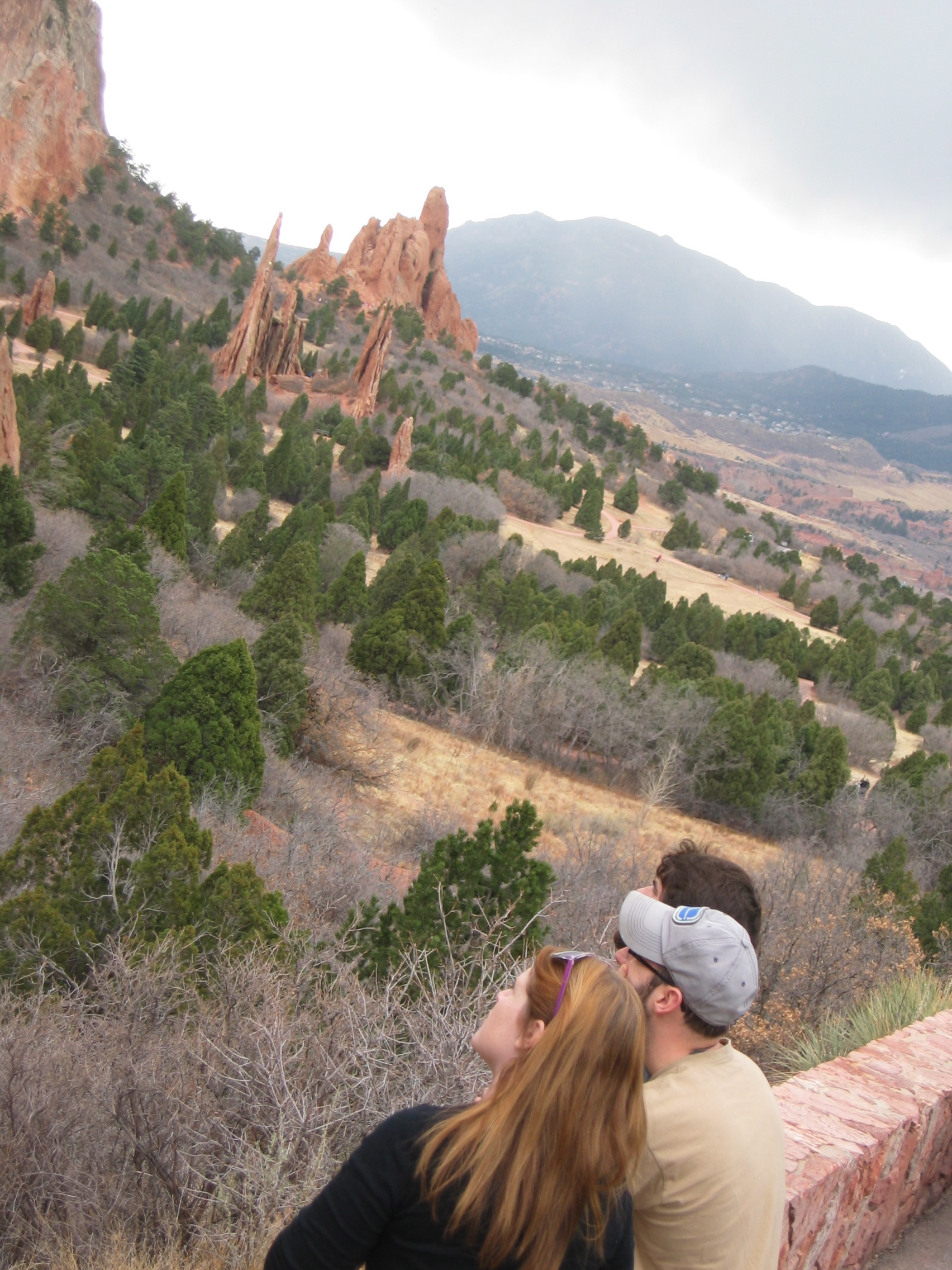
We visited the Garden of the Gods

the dirty windy rock and sultry flat plains

before the Rockies in bright reddish colors.


We ate at the Pantry, in the gravel front yard where the screen door slammed behind our waitress and I gazed into the bright big sun I couldn’t hide from.

The shadowed part of the Green Mountain had waterfalls coming from below the melted ice. We scrambled lightly on the lush side of the mountain staring up into the open skies and rock. The day was spotless, very blue and slightly chilly. We’d walked along a cabin road with wood carved statues of bears.

Through old Colorado City we drove through flat neighborhoods where houses had turned to boutiques. Some young creative shops were booming –Squash blossom, Out of the Box, and Envi.

There were clay pot places and great western antiques. Signs were reminiscent of the old West and Las Vegas. On every drive you could see the dusty trails and pale ground cover going somewhere, perhaps all leading to the west, onward along Pikes Peak road to the Peak itself.

Then, there was Manitou Springs…

“Manitou,” a Native American word for “spirit,” describes this beautiful mountain community. Eleven named mineral springs throughout town are fed by the snows of Pikes Peak. Long before white men traveled here, the Ute, Cheyenne and many other natives considered this area sacred.  -Manitou Springs Chamber of Commerce and Visitors Bureau

The businesses boasted locally owned, not to Colorado but to Manitou Springs, and I began to think to myself about what made it special. Obviously being a hub for the Cog Rail up to Pikes Peak, and the mountains scored a beautiful backdrop, but if I were coming here to shop or drink at a local brewery, these things didn’t necessarily have to be there. I began to think about super imposing my town of St. Clairsville over the streets of Manitou.

Manitou brought visitors to town often with different parades, traditions, legends and events they held to celebrate them. What did St. Clairsville have?

Running at home, upon our return, I imagined all of our storefronts of St. Clairsville boasting a home brewery, an art gallery, a bead shop, a Hip Vintage Stop, Momentum, a potter… but all of our storefronts were dark and empty for a sunny Sunday evening.

We didn’t get to the Cliff Dwellings but next time that will be on my list. My visit also made me want to reread The Night Journal by Elizabeth Crook.

Categories
Book Review Environmental

Eco Book Club at The Schrader


I hadn’t finished reading Davis book when our environmental book club met last Thursday night to discuss it.  But, it was such an interesting book that I did finish it within the last week and now have some additional thoughts to share.

A full synopsis of the book and discussion points can be found on our Environmental Book Club Blog at ecobookclub.wordpress.com

When I hear a grave environmental fact, like Global Warming, the warnings of GMO’s and pesticides that are in our food, or what leaches into our ground water I am always equally and defensively greeted with an opposing opinion from someone who I may bring it up with next.

Why?  Why don’t we error on the side of being safe? Is there too much information to know what to do, and what to do right?

Well, after reading this book a little bit of that grey area was swept away with the rain pouring facts Devra Davis provides throughout her book.

What I hadn’t realized before reading the book was that controversial issues are just so because the scientists that are figuring out what is unsafe for us, are being disproved by other scientists who are being supported by those companies creating the problems. This is a central struggling theme throughout Devra’s surprisingly positive book. Positive because it is enlightening and knowledge is powerful. I’ve recently heard that Dr. Laura talk, Follow the Money, and I think it’s on cue. It’s the first time I’ve heard of her –Dr. Laura Schlessinger.

Our group was lead by Dr. B who had done extensive noting and question-asking while reading the book himself. His full synopsis and in-depth discussion points are located on the EcoBookClub Blog here.

Our group talked about how scientists think. I thought about how I think. Dr. B described how a lawyer’s thoughts were to boil it down to the essence, to defend a case. While, as a scientist, he would want to include the loose (and sometimes extraneous) thoughts.

I’d taken a thirty-minute walk before our discussion through the wood chipped forest. Some barkless tress were laying across heavy needled pine branches that never lost their green luster. Spring wasn’t budding yet but I was able to wear short sleeves. I thought about a scientist’s children.

Beautiful big-eyed wonderers

children of a scientist

trees unwrapping, pulling down their canvases

heavy limbs

light in the sky, but heavy on the earth

looking dainty and effortless,

fragile without their leaves.

.

A few portions of text that struck me are below.

In a story of The great London Fire of 1666, Devra talks about John Evelyn pg 39.

With nearly a blank slate, the city could have been redesigned. Evelyn had urged that the major producers of smoke be located in a common industrial zone, far from where most people lived. But he failed to reckon with the traditions and convenience that kept these same businesses as they were. Despite his friendships with those in power, Evelyn was no match for the economic forces of the day. In the seventeenth century, as in the twenty-first, pressures to keep things as they have always been could be far more powerful than well-founded suggestions for improvement.

The capacity of people to get  on with what they have been doing all their lives, even when they know it is not in their best interests, is a marvel. Denial is one of the strongest human emotions. It gets us through the shock of chronic illness or sudden deaths, and often it is what keeps us from making changes in life. Thus it is not enough to have a good idea of even a great one to bring about social change. People have to believe that the problem being addressed is so bad that something must be done, and they must believe that something can be done.

Stop expecting Prince Charming. We must rescue ourselves. We are the ones we’ve been waiting for.  -Bella Abzug

The book gave me a way to defend the facts of Climate Warming by better understanding climate change and the two types of gasses generated by humans -chlorofluorocarbons (CFC’s) and greenhouse gasses. Next, in the same chapter, was the recipe to save us all from toxic products.

pg 256

The story of how the planet finally took action to get rid of CFCs provides an important lesson. Three things were required: the finding of the ozone hole provided sufficient proof that the planet faced  grave and imminent danger; industry had found a way to profit from making major changes in production of the source of the danger; and governments saw that the costs of persisting were much heavier than the benefits of acting. Only when all these were in place did actions to phase down CFCs begin.

In thinking that we must not only calculate the cost benefit of continuing like we do, but consider the cost benefit to prevent what we will have to pay in health and money through the future, I think:  Money or Health. We need both. What could you be doing right now to save yourself or, at least to save your children?

.

.

.

Have you seen Annie Leonard’s video on The Story of Cosmetics? If not, check out my friend’s review of it on her blog, and view the video she has linked on her page.

A great site that I’ve found to see what’s in your cosmetics is the cosmeticsdatabase.com website. I look through it when I think of something else in my house that I could substitute to have less chemicals if it’s something that I can’t make at home myself.


Categories
Uncategorized

Arch Daily

My friend, Pencil In Hand, works with Arch Daily, the worlds most visited architecture website!

And, here they are.. there she is, on CNN Chile!  Check out the video here.

Categories
Uncategorized

The Pencil, Inspiration, and the Blogs I follow

Whenever I need to be lifted out of my world or be more aware of it, I draw. In the last few weeks I’ve found some great new blogs on drawing and I thought I’d share them and others today.

Drawing Inspiration:

Visual Basic

a doodle a day


A great Fashion Blog:

Kendi Everyday

Friend & Creative Blogs:

Pencil In Hand

Travel Sized Living

Silver Fox Pottery and Art

Quiet World Creative

Health Blogs:

Eat Live Run

Healthy Tipping Point

Then, I read an article that pertains to architects designing with a computer mouse, versus the very natural and creative design that comes when you put your hand to paper.

The Washington Post article Computers are great for tools for architects, but don’t let CAD go wild by Roger K. Lewis.  PDF link: computertoolscadgowild

Categories
Uncategorized

Thin-Slice Modular

When asked by my sister, What is Modular? Is it more expensive, can it be green? I thought, not necessarily and sure it can, and here’s a quick rendition of how!

One of my favorite Modular House designers is Michelle Kaufman. She has a Basic Process section of her website that you can click to here.

A group that I am a part of does Modular housing too. We are called Online Green Design. Click that to see our website. If you go to Interiors, that is me. Online Green Design is a group of Engineers, Landscape Architects, Architects, & Energy people, that give you a holistic approach to building new. The idea is that all of these people play an integral role in the building of a sustainable building. We work with Haven Homes, a modular builder in Pa.

You can custom design your prefab home or get a predesigned plan. Modular just means that most of the house is made in a controlled environment. That the wood and materials to build the home aren’t exposed to the elements of weather during construction. Your construction loan period is less, there is less waste when homes are built this way and companies have a factory-like system for building your house in parts, then delivering it onto a site, setting it on a foundation, then ‘zipping’ it up. Because the foundation of the house and the house can be built during the same time frame, the construction loan can be less.

The cost of construction is comparable when comparing a ‘modular’ to a ‘stick built’ house. Because Modular is more assembly line in the making, the price is easier determined prior to construction.

Check out the plans Michelle Kaufman has on the bottom of the site I sent you to. Glidehouse Breezehouse, & Solaire.

All ‘modular’ and ‘stick built’ buildings can be green. It just depends on what materials you are selecting. I’ve got an extensive list on my blog. Click that to see. It also matters when building green that the right building systems work together. Plumbing, HVAC, Electrical, Position of Building/House, Coordination of architectural and interior elements to maximize space, and natural light.

Go Fab, Be Mod, FabMod, think Modular.