Categories
Travel

Finished my First Marathon

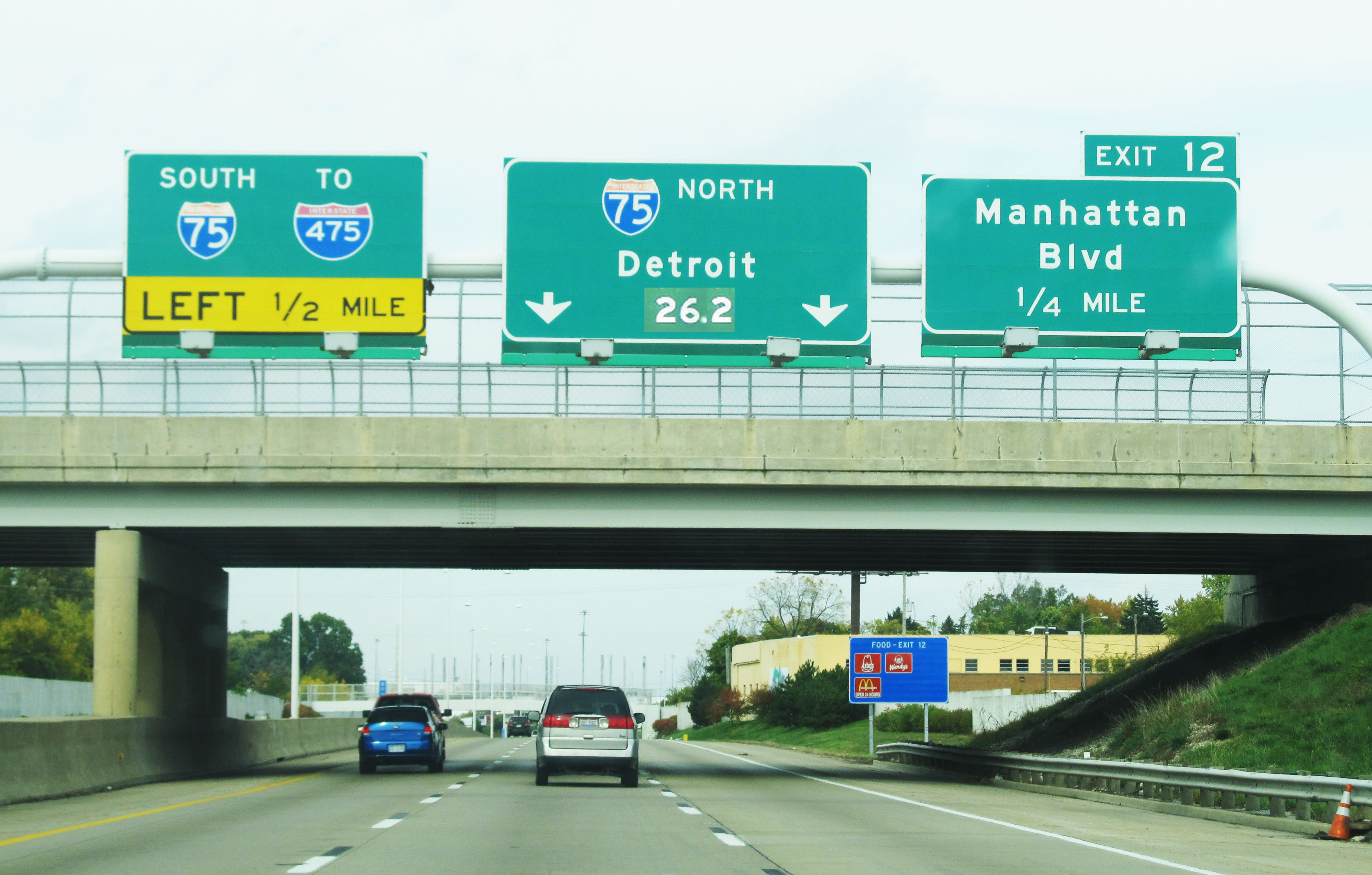
DetroitHighway

89b6a86c489b487412b49eb50be62982

Marathon Course Map MASTER** 2014

The Detroit marathon was fabulous. Our time spent in Michigan was full of family, support, congratulations, food, and fall foliage. The morning of the race, Sunday October 19th, was about 35 degrees cold. My husband was running the half-marathon, my brother his fifth marathon, my mother was walking the half-marathon and I was running my first.  We corralled together in the dark after having a difficult time trying to find a place to park.

We stayed at the Roberts Riverwalk hotel, a recently renovated area of Detroit along the riverwalk. My brother and I would later run this stretch of sidewalk along the river as we finished up miles 24 and 25. The hotel was about 2 miles away from the starting line and didn’t offer shuttle service. But, we had my parents who generously dropped us all off on time. Coral J was easy enough for me to find, but the boys, my brother and husband, gave me their farewell wishes and headed up to corral B and C.

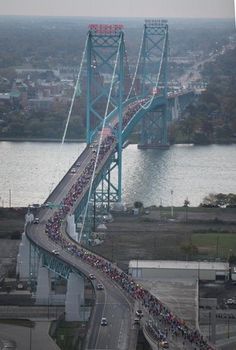
Before crossing starting-line I found my cousins who had driven in early from Toronto to see us all race. My mom and dad were also there with the video camera in hand. The course led us through the west part of town with low industrial buildings to either side. Advice from a running friend in Morgantown ‘Enjoy every step.’ was running through my head. The sun was starting to rise, and as I circled around the base of the Ambassador Bridge I saw the silhouettes of runners ahead crossing it. Border patrol officers were checking for bib numbers, and though I was running with my passport, I was never stopped.  Lucky for me I’d trained Morgantown’s hills and the bridge wasn’t a problem for me at all. Runners nearby were stopping to catch their breath, or take pictures of Windsor and Detroit from the height. I lost my sweatshirt on the down side of the bridge. Welcome to Canada!
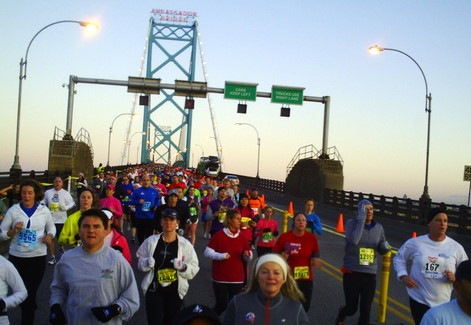
628x471

Ambassador Bridge 471-092511


bridge

Miles in Canada were full of fans dressed in winter-wear with crazy hats and signs. I’m proud of you random adult posters, or official high-five stations were sprinkled throughout the course. The course along the river gave view to Detroits’ skyline sparkling across the water. The sculptural park had many things to look at while I was catching up to the pace maker time of 10:40. I passed this group just before the course led us down to enter the Chunnel: our first aquatic mile. Border patrol on the Canadian side offered high-fives to the runners as we entered back into the U.S. The tunnel under the water was warm, and we continued to go downward. I was concerned about what sort of hill we’d have to climb at the end near mile 8. But, we never climbed much. Runners stripped off their outwear, and there were lots of claps and whistling sounds as we all made it under the river.  Mom and dad were on the other side to take the passport baggage and gloves. It was mile 8 and I felt wonderful. The sun was warm now, and my legs that had been frozen for the first few miles of the race were thawed. I could feel my toes again.

I was eating every 4 miles, and trying to hydrate at the same rate when I came across water stations. People were handing out orange slices, church groups were singing, single people held their guitars along the street and sang for us; the city was alive that morning and the encouragement to keep on moving would become more and more important as my race progressed. The 9-13 mile marker loop went west of the city again before we headed back into town for the half-marathoners to finish their race. There were so many people crowded at that finish line that I didn’t see my husband until he caught me. He’d finished in a personal record of 1:36 and was covered in the plastic blanket as he ran with me for a few minutes. It was encouraging to me that he had raced so well. Just after the half-marathoners split off I realized I only had about 5 people around me. Throughout the race I’d catch up to orange-skirt girl, or tie-died pant girl. The rear view of people became most familiar. The marathoners were on their own now. The U.S. only half marathoners would share this part of the course with us but they weren’t scheduled to begin for another hour.

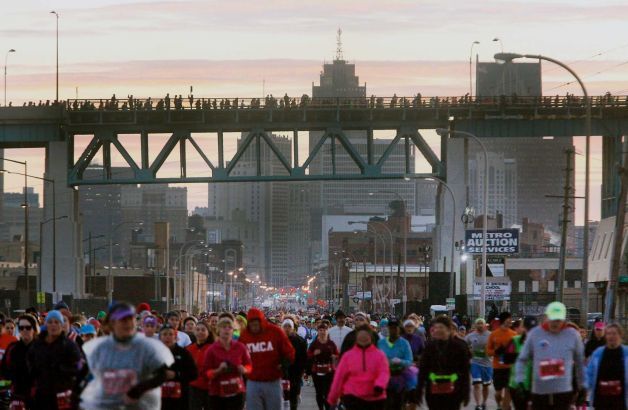
Mile 13 led me to cousins Mike and Andrea who kept great tabs on me the entire race. They cheered as I headed out into the next neighborhood and the second half of my race. These neighborhoods were nice and they looked new. In the distance I saw ruins of a beautiful 10-story structure that I believe is the Michigan Central Depot building. I never saw this side of Detroit on the race route anywhere else. We turned back, and headed to the Windsor Bridge to visit the conservatory on the island. I ran through great spectators, people offering beer and bourbon, ‘a wall’ which was a structure meant to signify where marathoners were in their race. The sun felt great and I headed onto the island wishing for the first time that I were in the group returning back to the main land. Miles 21-24.5 were the hardest!
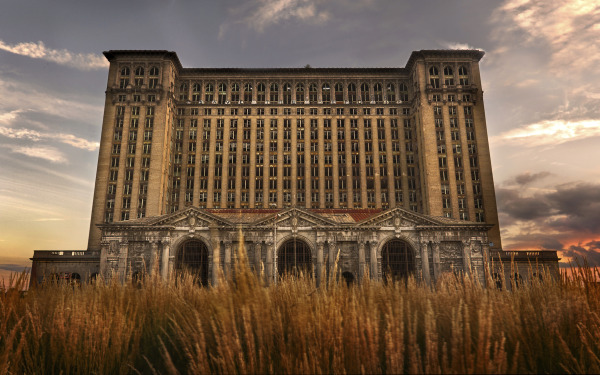
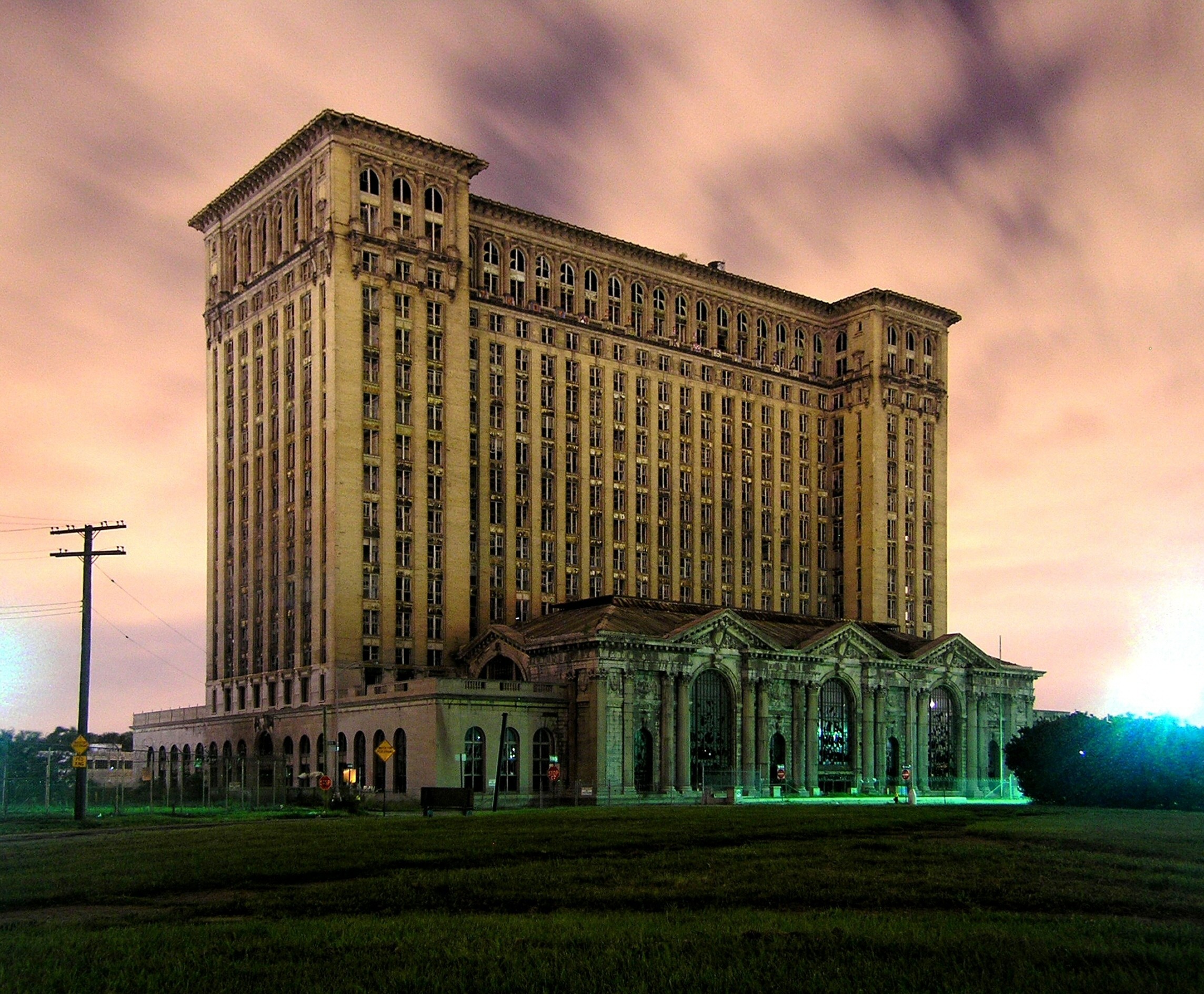
Save the Depot


Photos from Huffington Postoriginal

My legs felt like stiff logs, and I figured the faster I ran the quicker it would be over. I stopped at nearly every water station from 21miles on. There weren’t many fans on the island and the fatigue was incredibly difficult to push through. It became a race for the mind and it took everything in me to keep on going. I ran through the encouraging comments the Sues and company had given to me. It was all I had to rely on to just keep running! JFR.

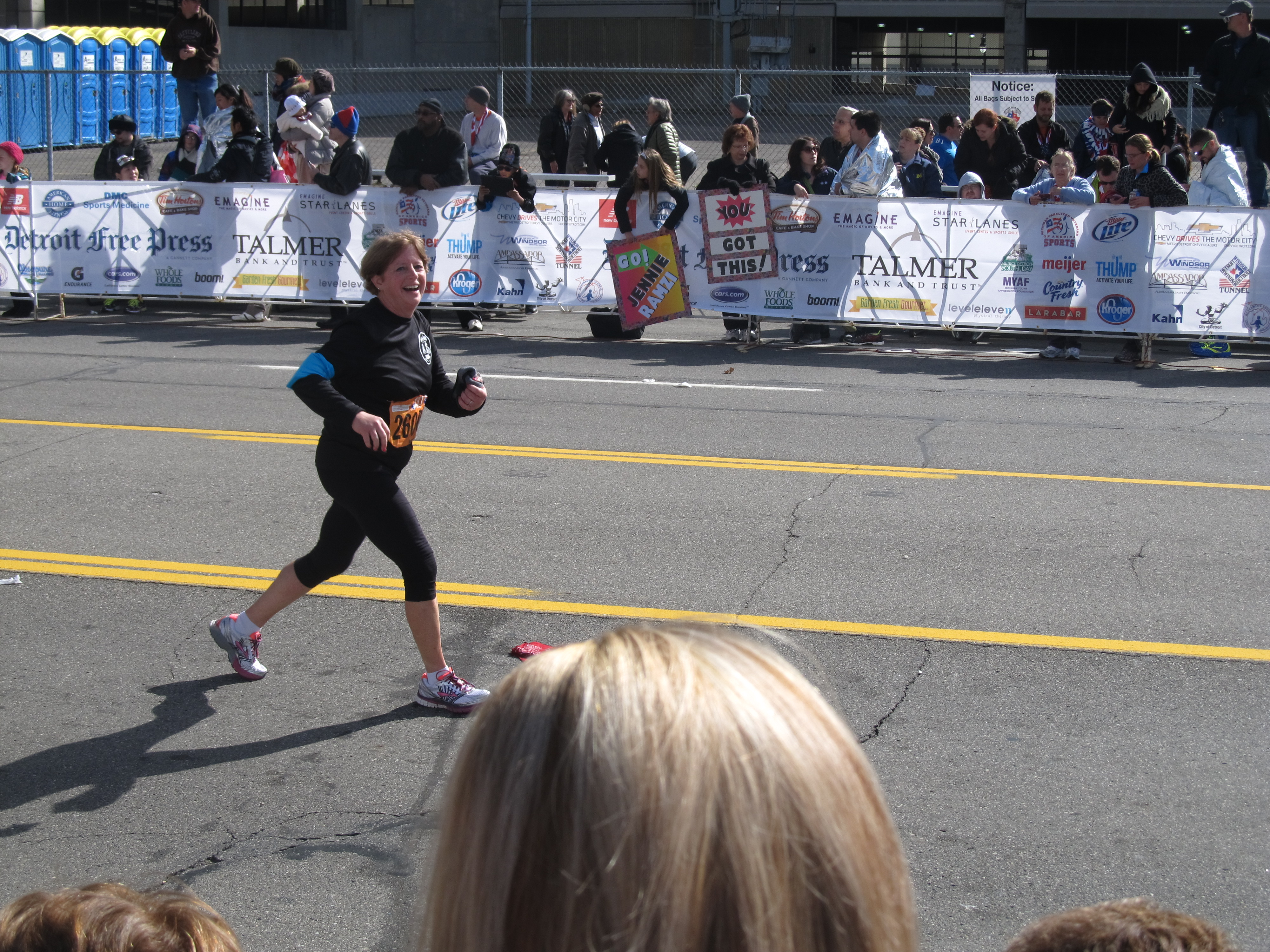
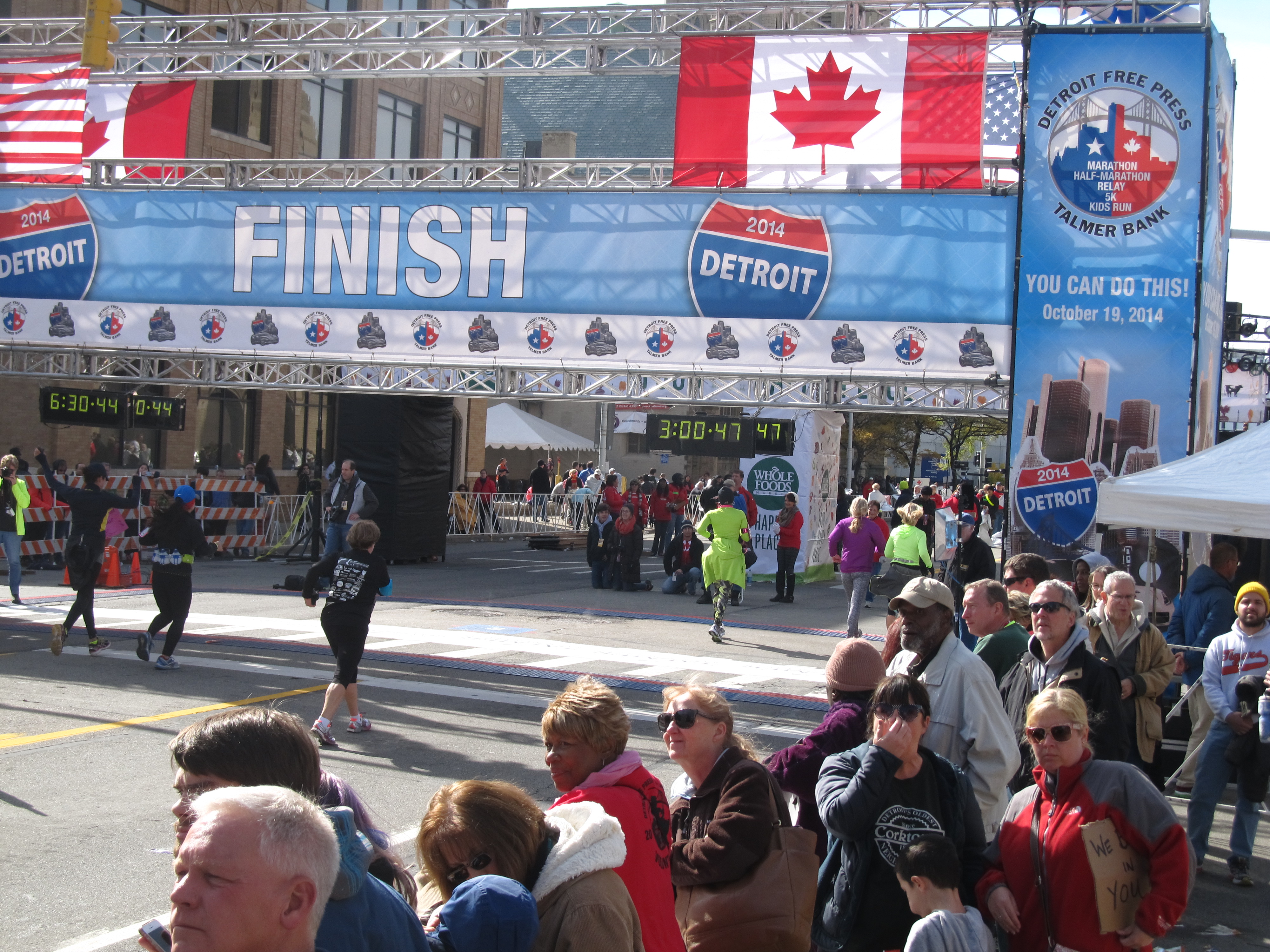
The mainland never looked so good, and the people along the sidelines just made the race feel better. I wasn’t alone. I needed someone to yell ‘keep on running.’ The riverwalk was beautiful and clean. It was nice not to have the skyline in the distance because it was still 2 miles away and my eyes were averted. The small incline up to mile 24 or 25 led us back to the city street we would finish on. The crowds were so busy and finally I turned the last corner and saw the place where I’d started this race: the FINISH LINE. My pace had gone from 10:40 to 10:20 and everywhere in between. Somehow I was able to keep the pace near the end when I stopped more than in the beginning. I didn’t hear everyone cheering as I crossed the finish line and received the 26.2 medal.

My brother was there with a big hug and my husband with a big proud kiss as I came through the corral. Our family was all there -6 of them to cheer us all on. I sat down in the grass as we all exchanged stories and awaited my mom to cross the finish line, which she did in just under 3 hours to complete her race!

I held off from a 13-hour sleep until after our family had celebrated with food and beverages. My brother recovered so quickly -I was so proud of him and the completion of his fifth marathon. As I sat in the stands after my race I commended everyone who finished at all. Those runners who took 6 hours to complete the race were still on their feet. The times I’d tattooed on my arms worked for me as I’d wanted to finish between 4:30 and 4:40 and did with a time of 4:33.27.

This finish meant a lot for my husband and I after we’d seen each other through training the past 6 months. This signified the end to our incredible year of moving, traveling, working, and running. It was time to hibernate.

IMG_8519

IMG_8522 IMG_8524

IMG_8526


IMG_8530

IMG_8531

IMG_8532


marathon finisher

Categories
Uncategorized

First Time Marathoner

Detroit_Marathon

Where have I been? I’ve been running!

And this Sunday I’ll be at the starting line of the Detroit Free Press Marathon.

For the past 22 weeks I’ve been getting out of bed early five days a week, have slowly added and subtracted miles to reach a 20-mile training run, have run with my husband, friends, family and some great Sues. I couldn’t be more excited to run my first 26.2 miles.

bilde     blogSpan

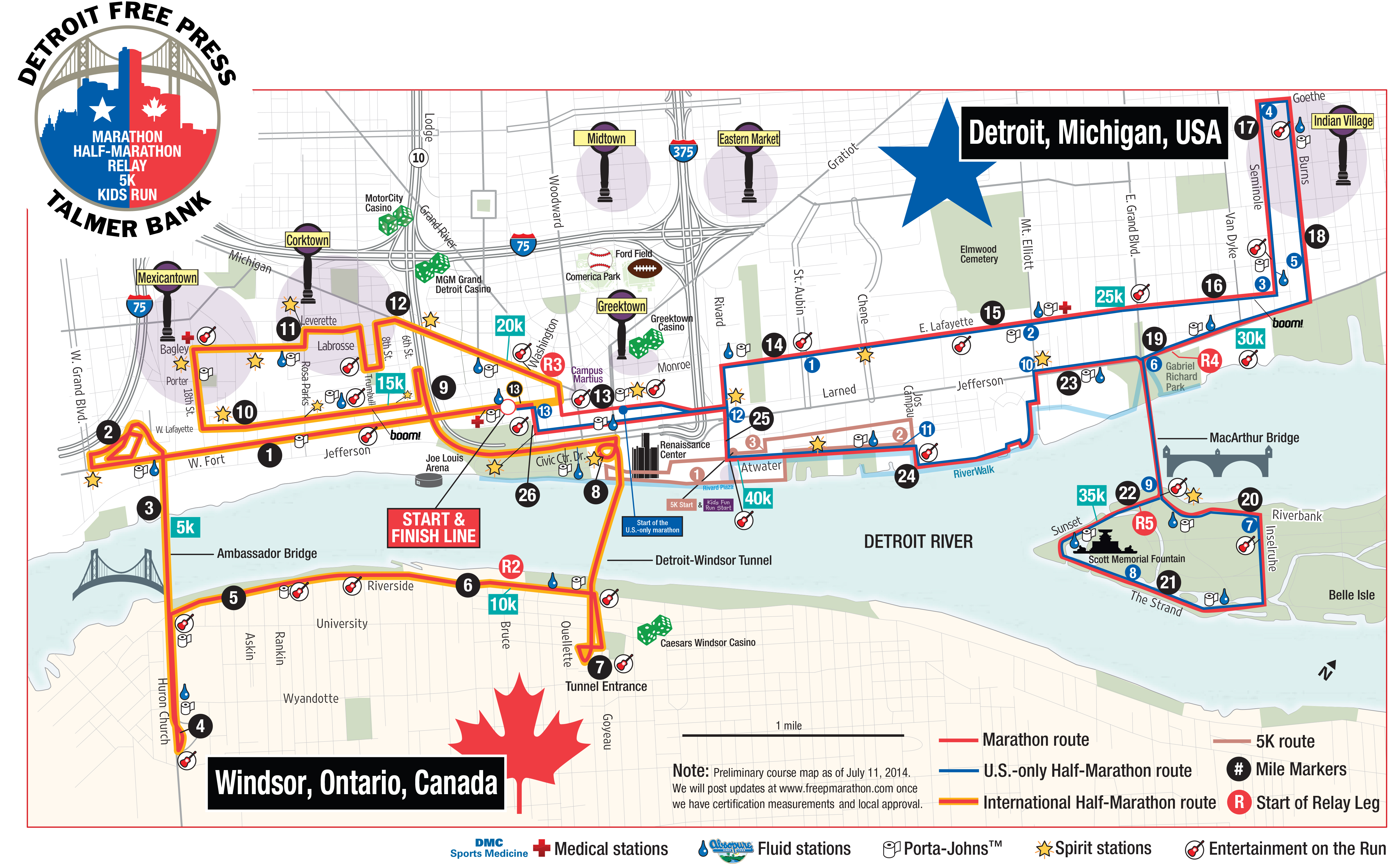
This will be a finale to a very busy 2014. After moving, changing jobs, buying a new house, taking a trip to Italy where we met family, and working out hard, it’s time to enjoy. ‘Enjoy every step’ a running friend told me, and I really will. The race starts in the United States, and then we run up one of the only hills over the Ambassador Bridge into Windsor Canada. To get back into the U.S. we run through the Detroit-Windsor tunnel under the Detroit River. I’ll be running along side of my husband, my brother and my Mom. Dad will be cheering us all along. Race Course Map Here.

Marathon Course Map MASTER** 2014

imgres

Looking forward to sharing personal pictures of the race and my very own metal!

20130328-230421

Categories
Community

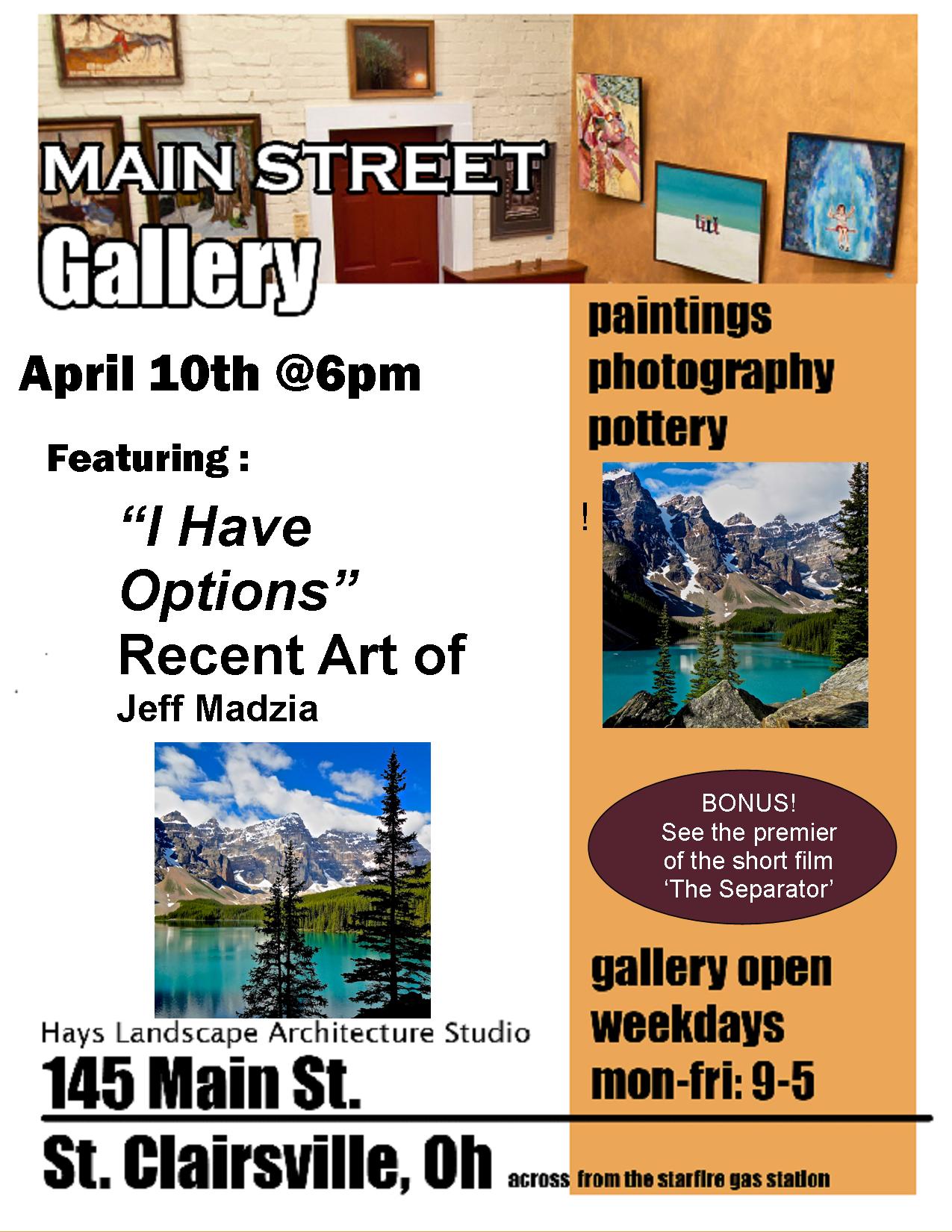
Gallery Event this Thursday

Please join us in welcoming Jeff Madzia and his work

“I have Options”

to the Main Street Gallery this Thursday, April 10th at 6pm.

Jeff M Flyer

Categories
Community

Join us at Phipps

springhp

The spring show begins this Saturday.

Join us for lunch at the lovely and local Cafe Phipps.

Phipps Conservatory

~

Last year’s spring show and inspiring blossoms were a wonderful way to welcome spring.

Categories
Architecture Building Sustainably

Revit is Changing the way Architects Draw

DJC_com_Revit

-Image from Seattle Daily Journal

….

Hello, I am an architect, and I have been using Revit for two months.

I am committing something here.

I’m learning Revit.

What a smart program.

The tool takes between three to six months to implement for full advantage. The profession of architecture, engineering, and building is at the cusp of changing how we get from A to B; how we get from dreaming to a standing building.  Revit holds the capability for architects to follow in a futuristic call-out from Le Corbusier. We are again making machines for living.  This time though with the computer’s aid to see in three dimension; the building components put together in a virtual space.

My previous poem is both a venting mechanism as well as it is trying to be smart. Collapsing ribbons, palates, and bounding edges are the terms one must become familiar with to enable smart building. The program is only as smart as the user and in these instances you have to get them right. The architect must first know how to building a building! Then, we must learn the capability of the program.

Thankfully, I received my first instruction by an architect, Mike Pappas, working for MESA out of Crafton, Pa. When he is not heading up the architectural department for CDM Smith in Pittsburgh, Mike is working on BIMworks, a developing company that will train and assist Revit users.

Mike’s mantra led eight students for four days. ‘Let’s build it the way it will be built.’ ‘Make it the way you make it.’ In Revit, ‘Put it in, then get it right.’

His enthusiasm over architecture and everything we offer to this world in terms of intelligent building was contagious. While teaching with quick-wit and straightforward answers he was demonstrating the role of the architect as we all dreamed of the times in ancient Rome when architects were held as high as the profession of medicine.

This tool, when used correctly, has the ability to allow owners to see the spaces during the design process. The program can produce exact quantities for cost estimates, and orchestrate refined materials and systems that couldn’t be accomplished comfortably with two-dimension drafting. Energy studies are sophisticated, as one can place the building on any earth location. By providing solutions during the design phase, the architect is offering a more precise building that will look and act as desired once constructed. As consultants begin linking all of their models to one central model, unforeseen conflicts can be worked out before they are revealed in the field. This translates into savings, avoiding costly change-orders and smarter systems that are guaranteed to work together. Building consultants from Landscape Architects to Roofing contractors can all work together to build a model that is much less expensive than building full-scale models that may not work exactly as planned. When hiring an architect this service is priceless.

Starting a Model:

Building a model takes time. The way architects have prepared proposals for prospective clients have changed as well. While the most time has historically been spent during the construction document phase, to build a better model, more time is spent during the initial phase of a project.

The transition from architect to builder has been truncated in the past, passing from one hand to another as soon as a cost has been assigned. Mike Pappas was sharing his thoughts on collective ownership of the model (the documents for construction), and the building itself between all three parties –the owner, the architect, and the contractor. We all have to work as a team. Mike called us the army of architects. We are the virtual building coordinators who should be offering integrated project delivery.

Back to the Blocks:

The time to build a smart computer model can be time-consuming. The architect must decide what to ‘build’ and what not to ‘build.’ Knowing what contractors need to erect a building requires familiarity with issued drawing sets and specifications. Architects act like editors in this respect. With the future comes a new way of grabbing on to old traditions. The hope is that we are smart enough to take the time to use technology as an end to making our profession and our way of life better, entirely.

Project managers are now technology organizers too; making sure items are locked and kept precise. All of this may sound like Greek, but all we’re doing is learning a new language, learning a new language, and learning a new language. With more exposure, the unfamiliar will become common.

As something different and new is introduced, one has the tendency to reflect on the situation holistically. Architects are reaching forward to something our ancestors knew very well; how to build a building. They depended on architects to actualize cities concurrent with the dreams of moving forward, and they valued people who really knew what it meant to think smartly.


Categories
Community Travel

The Phipps Spring Show with Hays LAS

~

hy

Hays Landscape Architecture Studio

has prepared a melodic transformation of the well-known Phipps Conservatory in downtown Pittsburgh. The exhibit opens the morning of March 22nd for crowds to enjoy the sensory sights and sounds. Hays has infused blossoms with the blues in the sunken garden swamp. In the Palm Room the designers give a whimsical nod to the swing era of the 1930’s. Transcend further down the path of music history and experience the loud and colorful world of rock n’ roll. You will find classical music in the formal Broderie Room, a location popular for proposals and weddings. A peek below, with Phil’s sketch of The Grand Crescendo in the Palm Room, offers a hint of what more you will find over the rainbow.

Palm room perspective final~

From Phipps’s Site :  An Invitation to Join us March 22nd

Drawing inspiration from Pittsburgh’s musical soul, Phipps comes alive with melody and rhythm

Take a toe-tapping journey through a musical world where melodies bloom like flowers. This year, Spring Flower Show combines music and garden design for a sensational new exhibit filled with sights, sounds and scents that are sure to have you singing.
From one room to the next, musical genres from swing and big band to blues and rock ´n roll will be showcased through whimsical sculptures made out of up-cycled instruments; surprising planters like an upright piano; and carefully orchestrated plantings designed to mimic the rise and fall of musical notes as they move up and down the scale. Popular songs will also be piped through some of the rooms, adding to the multi-sensory experience.
The stars of the show, of course, will be the thousands of vibrant tulips, daffodils, hyacinths and other seasonal favorites, in addition to some new highlights, including several varieties of primula, foxtail lilies and Himalayan blue poppies. Arranged in spectacular groupings according to color and theme, each plant will be carefully placed to add scope to and enliven each scene, from blue and purple flowers representing the blues genre, to rainbow-hued blooms coming together to form the bars of a larger-than-life xylophone.
Spring Flower Show, designed by Hays Landscape Architecture Studio, Ltd., runs through April 20. Exhibit hours are 9:30 a.m. – 5 p.m. daily and until 10 p.m. on Fridays. Admission is $15 for adults, $14 for seniors and students, and $11 for children (ages 2 – 18). Members and children under 2 enter for free.

~


Presenting Sponsor 
Photos © Paul g. Wiegman

Categories
Poetry

Revitchitect

Learning the program is almost as difficult as the following title.

~

Revitchitect

The wrench has not a parallel side.

Our tools are changing.

.

Riveting, reviting, revealing,

Collapse the ribbon panel.

.

There are option bars full of properties.

Where one once played with the heaviness of a pencil,

My cursor chooses buttons,

Pressing project browsing for ideas.

.

There is a parameter of bounding edges,

Tip-toeing the thin line between getting it in and

getting it right.

The palate, please, an application for the tongue

-the menu taste, something to fight this hunger

to finish.

.

Could a structural model link to my center?

Allow just something to let me stand where

Navigation leads into crisscrossed streets?

.

Statues, these, drawn with everything in plan

but referenced where?

.

Lost on a layer, in an object

Gone to modify, those deep wells,

A spring of unknown dimensions.

.

And, someday you will swim,

Break the surface of a mountain reflection.

.

Tip, clip, clasp, and snap.

Pin walls to their places.

Hold roofs where they are associated

Or losing the foundation,

When the earth shakes and

Work is left in clouds.

.

What a constraint

To the opening and closing of a mind.

Standing soldiers are pushed off the ledge,

The world now thinks in a computer.

The instances are fleeting in our visual world,

Virtually useless.

Categories
Community

Main Street Gallery Event

At The Main Street Gallery, 145 E. Main Street in St. Clairsville Ohio

the show will continue into March 2014.

IMG_6500~

Sculptural pieces by Eric Price. Wall paintings and photography by

Melanie Steffl-Thompson, Patricia and Andrew Croft.

Categories
Community

Gallery Event – February 13th

Flyer

~

I would like to invite you all to visit Main Street Gallery

for out next event featuring sculptor, Eric Price.

Eric specializes in both realistic and caricature creations.

He operates “Eric’s Priceless Pieces,” and creates custom

hand built sculptures for his clients.

Please stop by our gallery for a reception and an opportunity

to see Eric’s work on Thursday, February 13, 2014 from

6 pm-9 pm.

Categories
About Me

Marathon Fuel

That is, my 1st Marathon ever and I am quite excited!

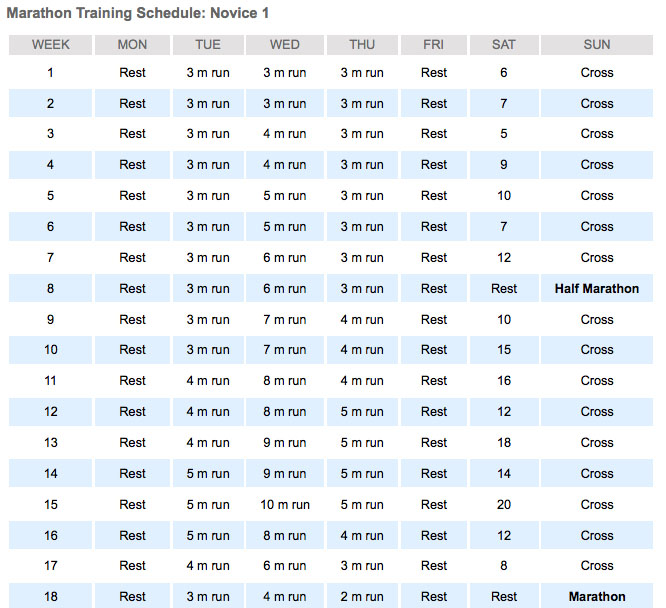
Though my first marathon won’t be until this October I am going to prepare this spring by running up to the 18 mile marker. My brother suggested the schedule below: Hal Higdon Training Program: Novice 1 for beginner marathoners . I’ve begun to follow the regimine but was glad that the first week I could actually run 6 miles on a Saturday. For the real race I plan to begin training a few weeks ahead of this schedule.

Marathon_18weeks

With a few tweaks suggested by a friend massage therapist, the program will change to rest more during weeks of long runs. As for my running diet I’ve never had a problem consuming carbohydrates. I found these articles online that focus on different high-glycemic carbohydrates:  Running Competitor and Active.

The next item on my running list-of-things-to-do is to find running partners! I’ve just moved to Morgantown and a friend of mine runs with a group on the weekends. I look forward to joining them soon and hope to find a partner who won’t mind running the 18-miler with me!