Categories
Poetry

Attention Small Boy

Italy

.

DCP_0915

.

Italian villiage

.

DCP_1024

Attention Small Boy

~

Running, so as not to be caught

the small boy slides into the garden

where his large family keeps a house

in the village.

~

Behind books candles and matches

a secret hides in the den

where his father sits

rewarding his children scholars

for their great minds.

~

The poor father continues, not knowing

the consequences his singular

vision will have

when his children haven’t been

allowed to tell him the truth

for so long.

~

He is a father living by rich

tradition of obedience for

family integrity. The expectations

he carries are handed

along to his children

as heavy diplomas.

Categories
Architecture Book Review

Architecture Forces

I immediately had to agree with Mr. Hawthorne! While reading through Taking the Pulse of Architecture (By Christopher Hawthorne for Architectural Record) I underlined the following sentence: The two most disruptive forces to hit the profession in decades: the digital revolution on one hand and the global economic crisis on the other.

The 2012 version,  {of the Venice Architecture Biennale} running until November 25 and anchored by a thoughtful, beautifully crafted, and rather cautious main show by the 58-year-old British architect David Chipperfield, is no exception. It reveals in almost painfully honest terms the clashing ways that architects are reacting to the two most disruptive forces to hit the profession in decades: the digital revolution on one hand and the global economic crisis on the other.

Then, I had to write about it myself.

Two influences on Architecture today:

the digital revolution and an economic crisis.

~ Part 1 – The Economic Crisis

There are problems with the profession of Architecture. In a production-induced environment creativity comes second to a quick project. The products we build with, the environment we build in, and the schedules we work around are binding. Construction itself is cost prohibitive. We are value-engineering ourselves out of work. This is an economic crisis within an economy that has tried to grow too quickly. Lending money to house every willing individual created a sinkhole in 2008, when banks needed a bailout to survive. The money problem is grand. But within it I’m still, luckily, working in a small architecture firm. As an architect not only do I have to fashion the way materials come together, but I have to be creative with how my client will afford the architecture. This process requires foresight just as much as buildings do.

The price to build hasn’t changed and neither have the means to complete one. This translates into proposed projects my clients cannot afford. I must find a creative solution to advance their plans. So, I must move beyond the drawing table to initiate thinking of an economic model for architecture. I can design and build, keeping the sensitivity of design and cost by developing localized responsibility on nearby resources. The role of architect expands to encompass being a “program” worker, a cost estimator, and a magician with new materials to shelter societies needs in an affordable way.

Architects have different ways of managing budgets while getting projects built.  Susanna Sirefman’s book ‘Modern Shoestring’ discusses building with inexpensive materials much like Jill Herbers’ book ‘PreFab Modern’.  Herbers’ book suggests using readily available materials to cut costs. Steel, glass and aluminum are suggested materials that can be found in abundance. This is confirmed in the new use for old shipping containers. These steel boxes are sliced to fit windows and doors within a houses’ program of spaces. The structural blocks have been stacked, embed in the earth, and cantilevered from sites to form creative solutions to house our fascination of how to shelter ourselves.

‘Building around bargain basement windows, Sirefman describes, is an inexpensive solution to providing windows where sunlight is needed. Using recognizable materials in new ways can provide a sustainable reuse of items that may have been discarded. Specific applications for materials may also be selected for inherent qualities in the material to create insulated, solar, off-the-grid homes that provide comfortable houses without the over dependence on nonrenewable energy. The well-worn materials can be used to their best purpose. Herbers’ book describes a case study on five homes. These homes, Ikea Blokok House, Graves’s Target House, Holl’s Turbulence House, D. Hentz’s Venice Ca ‘Concrete House’, Susi and Fred Houses by KFN Architects, and J. Siegals Office of Mobile Design are built examples that push creative ideas for practical applications. Herbers’ book offers ‘advice on new materials and processes’ with these examples (as I read in a recent review here.)

Cost-Effective Building, a book edited by Christian Schittich is another book that markets building to ‘create unique architectural solutions with small budgets.’  Within a book review on A Daily Dose of Architecture, the author simplifies the summary of the solution as ‘simplified structures and volume affords more (envelope) detail.’ A comment on the post responds that ‘repeating non-planar, inexpensive elements you begin to see non-orthogonal buildings constructed cheaply.’

Sirefman offers a third solution in the budget versus architecture balance to be the selection of the construction team. ‘Perhaps the client can offer his hand, an undergraduate class is available for a learning session, or a less expensive contractor may sometimes be found.’ Though, I would imagine this ‘cheap labor’ is something that cannot be shopped for so easily. Some contractors bill labor and material directly to the customer. Other contracting firms mark-up the materials on top of the labor costs. Just as every site and client differs, so do the ways in which to get creative with a budget.

Stephen Crafti, in his book Affordable Architecture suggests a focus on the planning phases. Architects take on the role of a psychologist, or a life organizer, related to the structure that surrounds your living. ‘Strong ideas are more valuable than unlimited budgets.’ He says. With a focus on ‘short term and long-term costs, program shrinkages, and on what the client needs versus what they ‘want’ a realistic plan can be pulled out. It takes an architect that is well versed in bargaining and thoughtful solutions from the onset. The architect must stand on the side of the budget for their client, so that in the end a project is constructible.

Perhaps architects should work harder at finding materials to build with in the beginning. If I don’t want to be shocked with the sticker price as bids come in, I shop, collect, and find solutions within materials already accumulated. Materials architects may find at their disposal can found in antique shops such as those I’ve found in Pittsburgh at the end of this article.

The solutions begin to repeat the same mantra, materials and labor, materials, labor, and an architects’ expertise is challenged and celebrated in the way they choose to work with both to their advantage.

Architectural Emporium, Adams Ave. in Canonsburg Pa

TriState Antiques in Canonsburgh Pa

Construction Junction, Lexington Ave., Pittsburgh

Final Authority Antiques 2358 Penn Avenue Pittsburgh, PA 15222  (412) 281-1488

Mahla & Co Antiques – 17th & Smallman Street, Pittsburgh, PA 15222 (412) 471-2090

Zenith Antiques – 86 South 26th Street Pittsburgh, PA 15203   (412) 481-4833 

Who’s New 5156 Butler Street Pittsburgh, PA

MatthuPlacek_ArchRecord

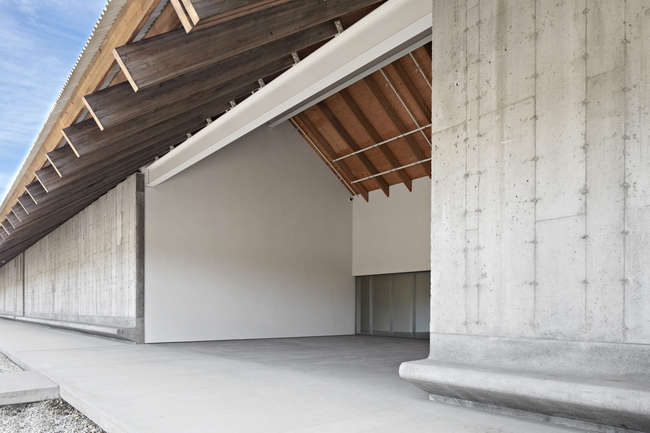
~ See the plywood ceilings Above ? ~

Parish-Art-Museum-ArchRecord_Roland_Halbe

After writing the article above, I’ve found numerous publications siting how Architects can budget with materials. For example:  Use cheap and recycled materials! by Parrish Art Museum by Herzon & de Meuron

To keep costs down, Mergenthaler used the pocked and craggy concrete that covers the museum’s long exterior sides after seeing similarly rough walls in a local basement. The scruffy character of the mottled concrete keeps the vast expanses from looking monotonous. “The thing that you really engage with first has to have a presence, a solidity, and a character,” says Mergenthaler. “It’s not just cladding.”  – Article in Architecture Record by William Hanley

Categories
Environmental

My Plate at Phipps

IMG_3024

~

IMG_3027

~

IMG_3067

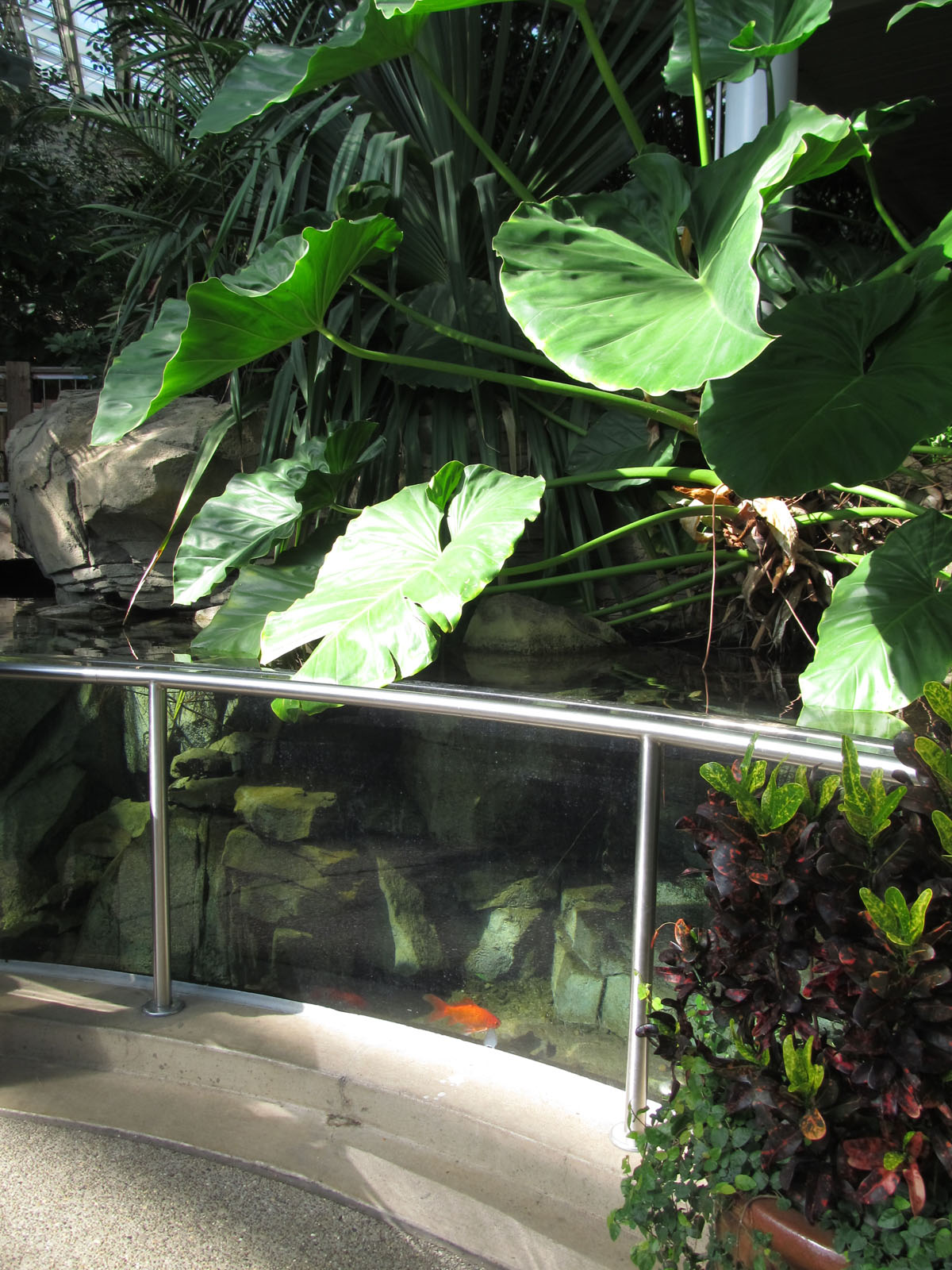
~ Acrylic tank beyond glass rail! ~

IMG_3069

~

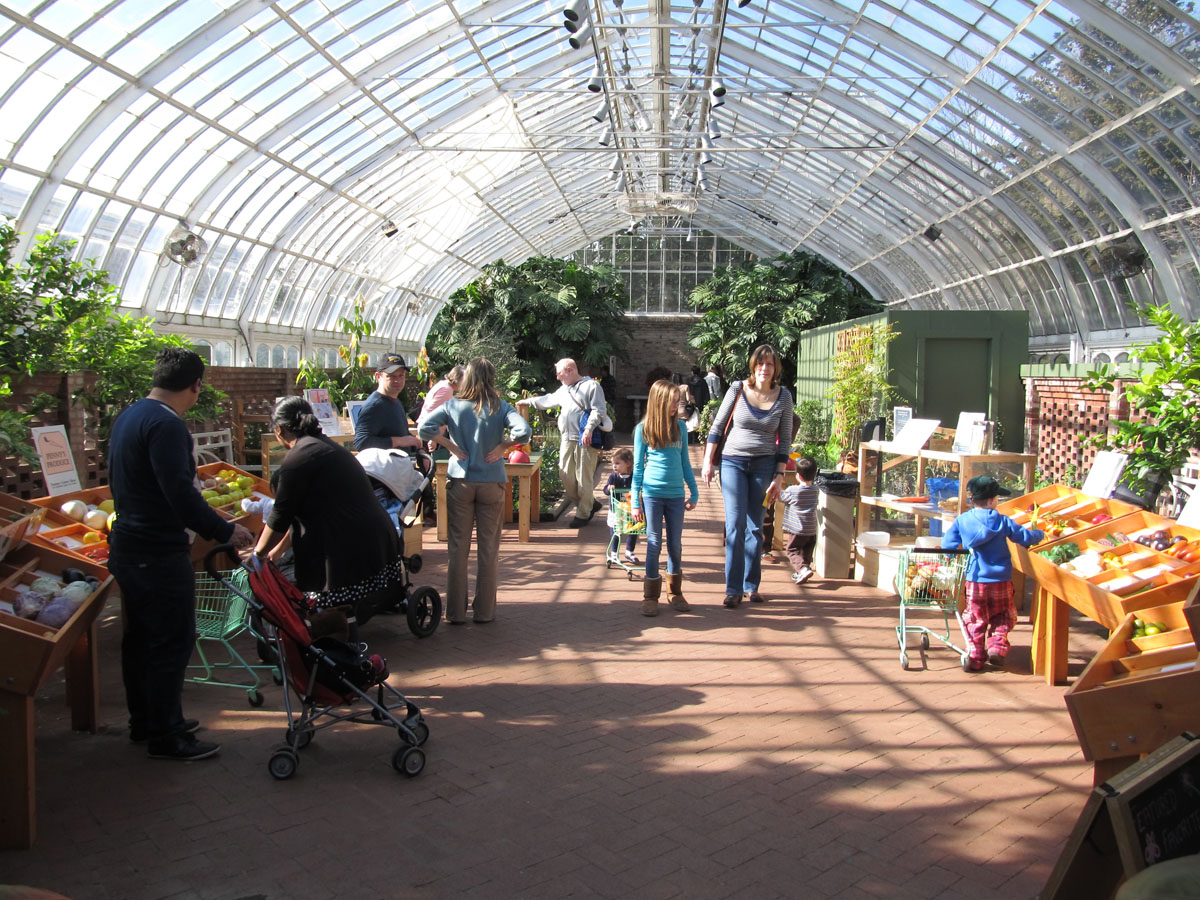
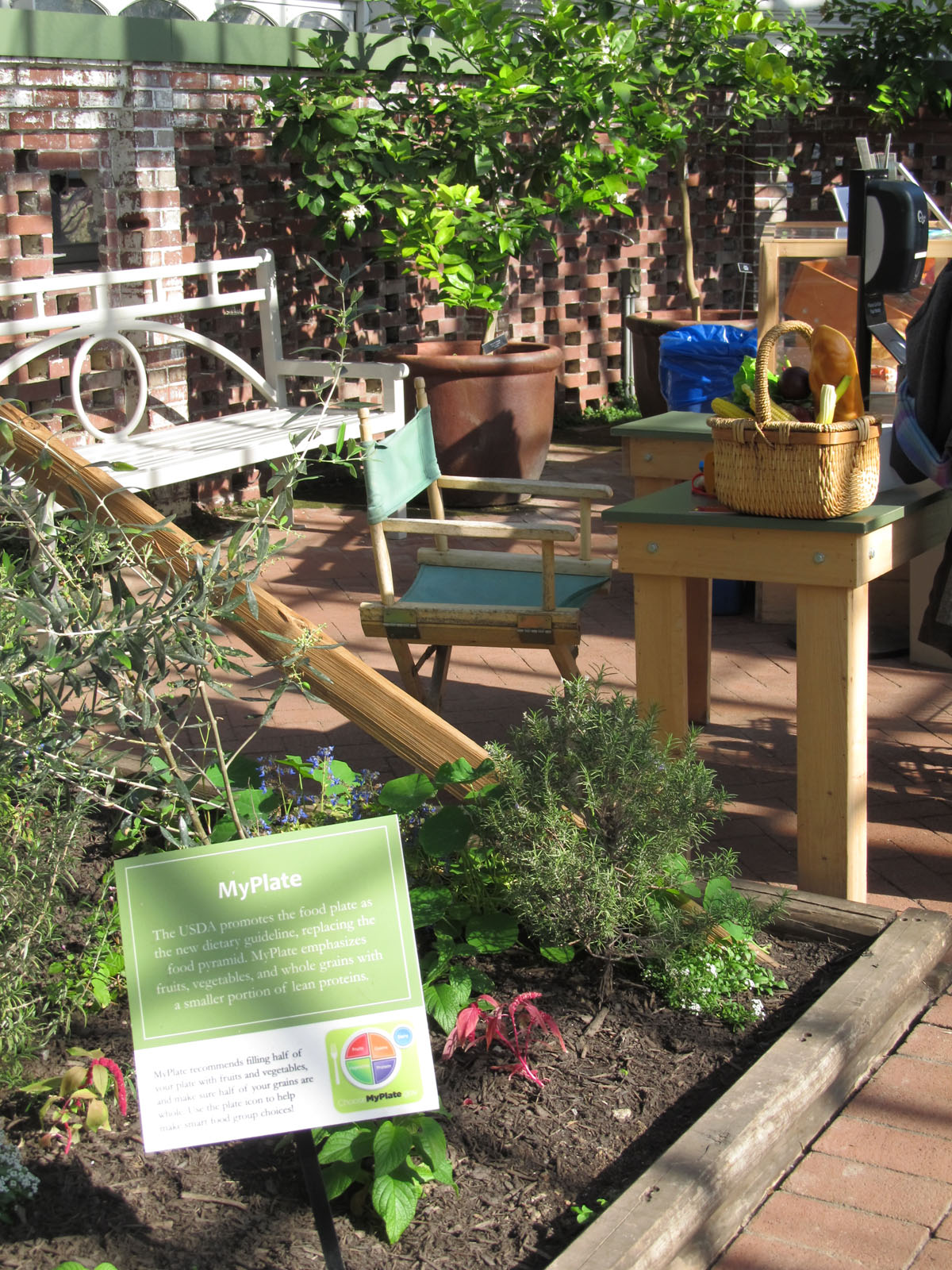
Beyond the beautiful blooms, and through the vegetable garden room, I found a treasure of excited children shopping for healthy food. Based off of the Choose My Plate campaign, the small produce booths and checkout were a  hit!  The young children were enamored by the colorful choices, and were eagerly filling their carts. It was so fun to watch.

IMG_3071

~

www.choosemyplate.gov_downloads_mini_poster_English_final_Page_1 www.choosemyplate.gov_downloads_mini_poster_English_final_Page_2

~

IMG_3073

~

IMG_3077

~

IMG_3082

~ Great job Terra Design Studios! ~

TerraDesignStudios

Categories
Architecture Environmental

Center for Sustainable Landscapes Building

I wish I had visited the website for Phipps Center for Sustainable Landscaping before visiting the building.  You can find that here. The building facade was elegantly detailed in perfect right angles, deep overhangs, and simple brise-soleils, but so much of the design though was hidden. We walked through without interruption or direction from anyone. It was a quiet day onsite here as compared to the spring show next door.

~

IMG_3064

~

The Phipps’s website offers many diagrams that make one appreciate the

‘Living Building.’

 Ntrl-VentltnAtrium1

lagoon

~

The type of insulation within the walls was something new to me. It’s a phase change material on top of the insulation. The ice pack look to the plastic covering acts in a way similar to how it feels. It absorbs a temperature, and can contain heat or coolness, much like ice can in freezing conditions. Interesting!

IMG_3062

~

IMG_3065

~  Reclaimed wood material ~

IMG_3066

Architectural Record’s New Life for the American City article highlighted this building as apart of the Pittsburgh spread.

Courtesy of Andropogon - Arch Record

See the article centered on the Phipps building here.

Categories
Environmental

Phipps Desert Room

Phipps-logo

IMG_3006

~ These scorched blooms remind me of where I grew up. ~

IMG_3007

~ Thin spiked arms. ~

IMG_3008

~

IMG_3011

~ The desert room at Phipps. ~

Categories
Environmental

Building Fabric at Phipps

IMG_2968

Building details of Phipps, dating back to the 1890’s, are alongside temporary blooms.

IMG_2969

~

IMG_2994

~

 IMG_3055

~

IMG_3070

The bark weaving of this tropical tree grows in the heart of Phipps.

Seeing the pattern made me wonder about textures inspired by nature, which lead me to a neat article on the site Ask Nature; a project of Biomimicry 3.8.

JimAllebach

AndreaCummi

Two above photos taken from Ask Nature site here.
Categories
Environmental

The Secret Garden at Phipps

IMG_2938

Speaking of spring, my husband and I visited the Spring Flower Show at Phipps Conservatory this past Saturday. We enjoyed the new show inspired by The Secret Garden, as interpreted in the landscape by designers at Terra Design Studios.

IMG_2943

~IMG_2944

~

IMG_2945

.

IMG_2957

~

IMG_2962

Look for the interpretive signage and bird sculptures throughout the garden rooms.

Categories
Environmental

Winter to Spring in a few days

This was the scene out of our front window last Wednesday. Over the weekend I took a run in shorts and had my plants sunning in the outdoors.

 IMG_2918

.

IMG_2919

.

IMG_2921

We aren’t far off from spring, I hope!

IMG_1424

Categories
About Me

Why I’m glad I’m not a Teenager Anymore

Why I’m glad I’m not a teenager anymore.

A toddler will be entertained with a zipper for an hour. Teenagers enjoy socializing with friends at the mall. Old ladies love flowers. People of all ages play golf. Different hobbies entertain all different kinds of people. The way a person spends their time differs with age and is related to the freedom we perceive.

While watching ‘Lost in Translation’ I noted the age of the two main characters and their situations that put them in a similar place to cross paths.  The difference between the two characters was how they entertained themselves during free time. Scarlett Johansson’s character enjoyed self-help books on tape. Travels in a new city lead her to Buddhist temples and flowering dog trees in the tea forests of Japan. Bill Murphy’s character mocked the job that brought him to Tokyo and spent time golfing or floating around the pool in between spending nights at the hotel bar. The bar is where Johansson and Murray meet to exchange an automatic, almost too familiar, connection that brings the rest of the movie to life.

This comparison of characters began to paint lines in my observations dividing age and the differences in how time was spent during different times of life.

When I think of life without responsibility, no worry, free-minded, untethered people I think of a little boy I spied on once. The memory is a battle between a boy and a bush. The bush is winning, woody branches have grown taller than the boy’s front porch and he is in full combat. Swinging his bat to the base of this plant, the boy charges into its leafy arms, only to get whipped in the face by an elastic arm. But, he isn’t giving up. One more spin move, his dance electrified from the open grass he stomps, and he is full fledge back into the hedge. It looked like fun, therapeutic, to throw yourself into your front beds and to come out alive! A better man. So went his routine until dinner time, a guaranteed event to cut the fun short. The shrubs don’t stand in the way of anything we need, any security of food or home, and if we were to look at the situation for enjoyment you see he only got caught in imagination, the bush was an army against him and he was able to take it on. It was time for the play that determined the outcome. Everyone needs this time to realize day dreams. He acts because there isn’t a bargain for time. There is ample time –and too much of it frankly, waiting around for the adults to catch on.

I remember a time growing up when all of my belongings were cataloged, my tapes were a collection of radio recorded songs that I had the patience to wait for and then alphabetize. I remember that I also collected paint chips from Wal-Mart, drawing the same ranch-style dream home over and over. There were Barbie empire weekends, designed to keep our younger brother out of the room, and Lego land. My sister and I built precisely with every plastic block, taking so long we never did play or act in Lego land. These times were in lazy summers, the ones that don’t exist into your late twenties. After college, you are lucky to plan free days about one weekend a month when you must plan to do nothing at all.

So, six-year-olds are content to make enemies out of the hedgerow all day and build lands that won’t ever be played with. The next years of life begin to incorporate learning how to survive, including a job, perhaps an education, volunteering, boards of the local do-good venture, service, kids, food, house, etc…an endless amount of things piled on until the strain of our body contorts us.  We become stressed out people who need to find a balance in all of this abundance. Life becomes faster.

To ‘slow’ it down we must strike a balance. Consciously let yourself go unplanned as you get older and realize that this is how the young and the wiser spend their time, proving that success happens on the inside. It takes age to grow into that confidence.

If a different path presents itself this opportunity causes a personal evaluation. If a chance arrives to seek your profession, refine your gifts, or be influenced into a new search, then change. What a teeming experiment being mildly distracted is. Step back and be conscious of the situation you are working for. Write about it. Perhaps there are goals to obtain and change is initiated by your own determination. Young adults growing into their forties are finally free to roam different paths and they begin to mold into unexpected grooves.

These adults seem to know how to enjoy their free time, dinners with the family, watching a show, traveling to the sun, relaxing in a way that has become common to them. They are involved with children and a school community while taking upon the responsibility of friends. Desires and hobbies turn into volunteering. Finally comfortable with who they are, adults partake for the second time in their life an unprescribed happiness. The imagination leads them. The lingering uncertainty allows room for being flexible in the moment. Not only does getting older provide an acceptance into retirement, we also grow into the customs of our aging mind. ‘Territoriality in humans is more related to the needs of self-identity and freedom of choice.’ a

Youthful life is devoted to finding something to define yourself by –and if you are lucky you may find it in good work. This age group is busy trying to find out what will sustain them. It’s age in the mid-twenties before one begins to worry about supporting their enjoyments and securing a future. That is, securing a future within the pressures of what our society expects of us. But, for those who want something more, who are thirsty for helping, climbing, experiencing, working, searching, the searching becomes equally exhaustive because there are a lot of options. If a young adult doesn’t have a firm grasp on how to control, stabilize and finance themselves by this age, they’d better catch on quickly. Work becomes a time to enhance our personal being through what we do. If one isn’t fulfilled in what they do, this generation of workers, staring around year 2000, isn’t afraid of moving to make the change. So, for the young working adult, we spend our time trying to earn worth out of our work. Once through this life period, aged adults begin to enjoy more time with their family, invite the neighbors over, and relax by playing tennis. Free time spent during one period transitions into something else. Take note of how an older generation passes the time. Perhaps they have fulfillment figured out.

The ability to realign yourself and alter or deepen the path you are on seems to get harder and harder the older people become. You receive the experience of a working adult. Other people’s opinions have steadfast influence. This can become more and more complicated unless you find a way of dealing with it. Thinking things out and giving yourself time to do so until they are no longer problems, is necessary. Financially, entertainment, enjoyment… are we not lucky that these are our needs? I have riches in food, shelter, and safety. This is what the older person has determined for themselves and are therefore enjoying in the time of fifty years.

Getting older means that one year is fractionally less and less of your time. As these responsibilities and obligations add up the more the busy-ness seems like nonsense. Amidst searching for yourself you begin to give up! What we should do instead of allowing responsibilities to impede, is take time to digest and order the things that are important.

If there are a few things to keep in order, make a quick list. My list begins with my health and house. Eat healthy, have fun with friends and incorporate exercise into your ever becoming sedentary way of life. There are family obligations, friends’ weddings, babies, career change, moves, layoffs and opportunities galore. Enjoy.

I want to have the ability to watch over myself. Goals of the day make big resolutions for the week and fare well when they stack up into years. I try to be myself everyday.  I do that by taking the time to be conscious of myself in an honest evaluation. Only I am in control of where I put myself, and only I can enjoy the free time I allow myself to have.

a  Architecture Registration Exam (ARE) 4.0 review pg 38.
Categories
About Me Architecture

Fabric Obsessed

anthropologie_ruffles_skirt_thumb

.DonnaKaran__121

.emdeeinternational3

I am inspired by fabric. Expressed in the threads you wear are a sense of style, a type of daring, a piece of your inside feelings expressed externally. For some time I’ve wanted to reupholster my couch. It’s a tan Ikea model with a nice shape, but without a personality.

55882_PE161166_S3

Upholstery

{found on Pinterest}

poet sofa

Some fabric companies I consult with are below… am I missing any?

Designtex

Exterior Designer Shades

Mecho Shade (Interior / Exterior)

Lutron (Interior / Exterior)

Earth Shade www.earthshade.com

Arc-Com Fabrics        Artemis

Brentano Fabrics        Artemis

Solucent Exterior Shades by Cambridge Architectural

Dressage and Strata by Conrad UV Shades of Natural Fibers

Fabric by Distinctly Duralee

Curtain Works

Lee Jofa

Raoul

Lisa Fine

Katerina Tana

RP Miller

Twigs

Marcie Bronkar

Kerry Joyce

Off White Castle

Le Gracieux

Kathryn M. Ireland

Carolina Irving

Jasper

Katie Leede

Rose Tarlow

Peter Dunham

Ferrick Mason

Fabricut

High Fashion, La St. Tx

Mood Fabrics

Anzea fabric, recycled

Custom Fabric on Demand

Momentummomentu

.

housebeautiful february 2013 will merrill

.sandradress

.

smith-2-0909-xl

.

rugs_hero