Categories
Architecture Travel

The Annunciation of Mary – Florence

IMG_7224

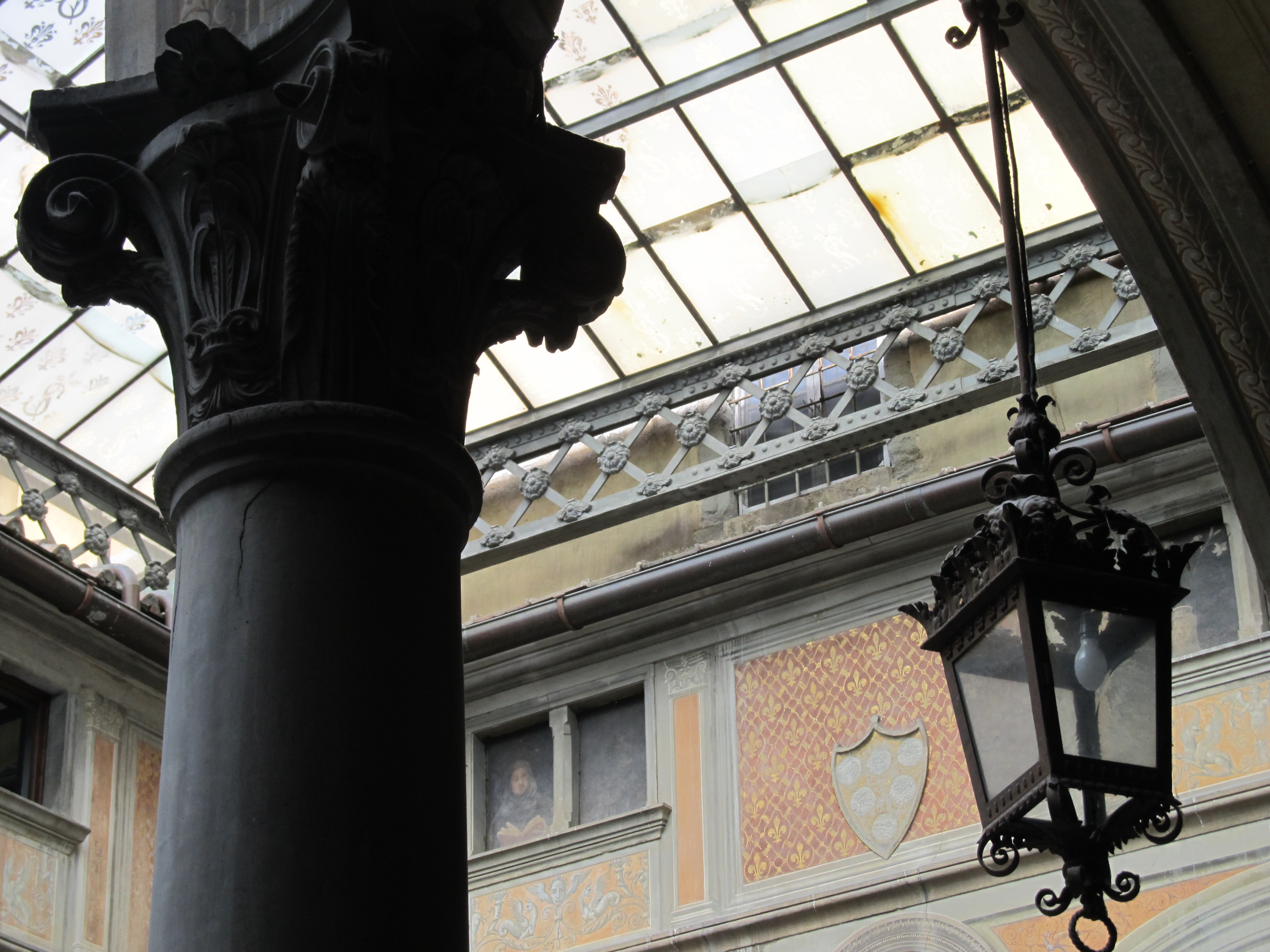
Italy is the place I always go back to. While my husband explains, and I realize, that there is an entire other world out there, there is something about the Mediterranean climate and the exuberant expressions in the way Italians do everything from eat to talk that I want to keep coming back to. Of course, my family is from there too. While I committed to learning the language with my mother a few years ago, since moving to Morgantown I have not had the same opportunity to continue on with Italian language classes. I am hopeful that my opportunity at Fairmont State University will expand to include travel abroad, and perhaps sitting in a classroom with an Italian professor again. But, for now, a few more photos from our trip April of 2014.

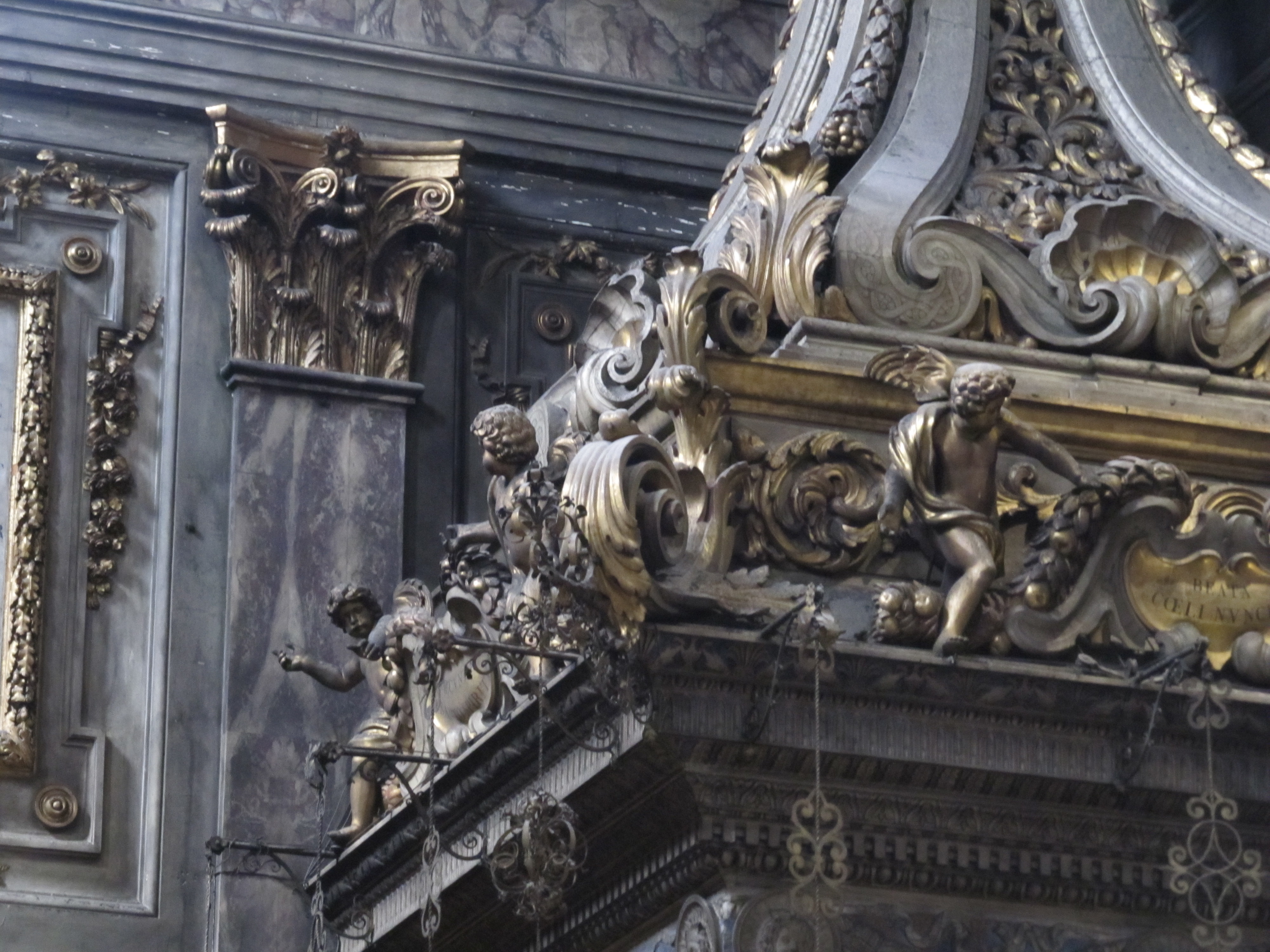
The Santissima Annunziata Chiesa di Firenze, the most decadent and bronzed church I’ve ever been to.

IMG_7227 IMG_7230

Categories
Architecture Travel

Studying Historic Italian Architecture

Sometimes it takes hearing things three times before they click. I traveled to Italy for the first time as a student at Virginia Tech. That was in 2002. Now, thirteen years later, I am taking a class by a professor who is an astute historian. It’s enjoyable to learn from someone who can sight off exact building dates from architecture built in the 1400’s to now, and probably earlier depending on the structure. The history theory class I’ve taken this semester has offered that third opportunity to learn about the same thing. I’m hopeful that this time I’m retaining the information.

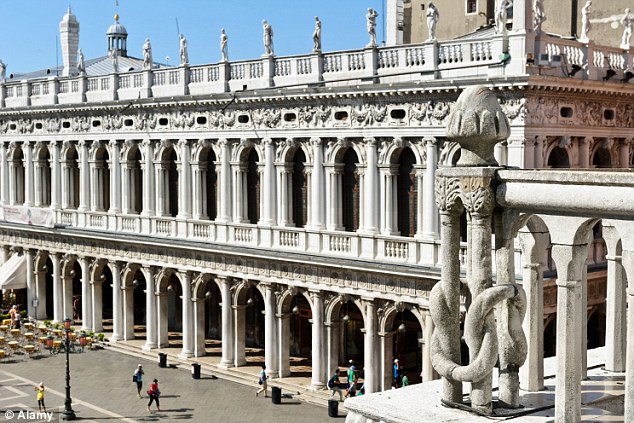
Michelangelo’s square, the venetian library of Biblioteca Nazionale Marciana  on San Marco and Bramante’s forced perspective at the altar of Santa Maria presso San Satiro church are among many works that I’ve learned more about this semester.

palazzo conservatori miche en museicapitolini org

LIBRARY OF ST MARKS dailymail.co

stanta maria delle grazie wga dot hu milan(The photographs above were found online.)

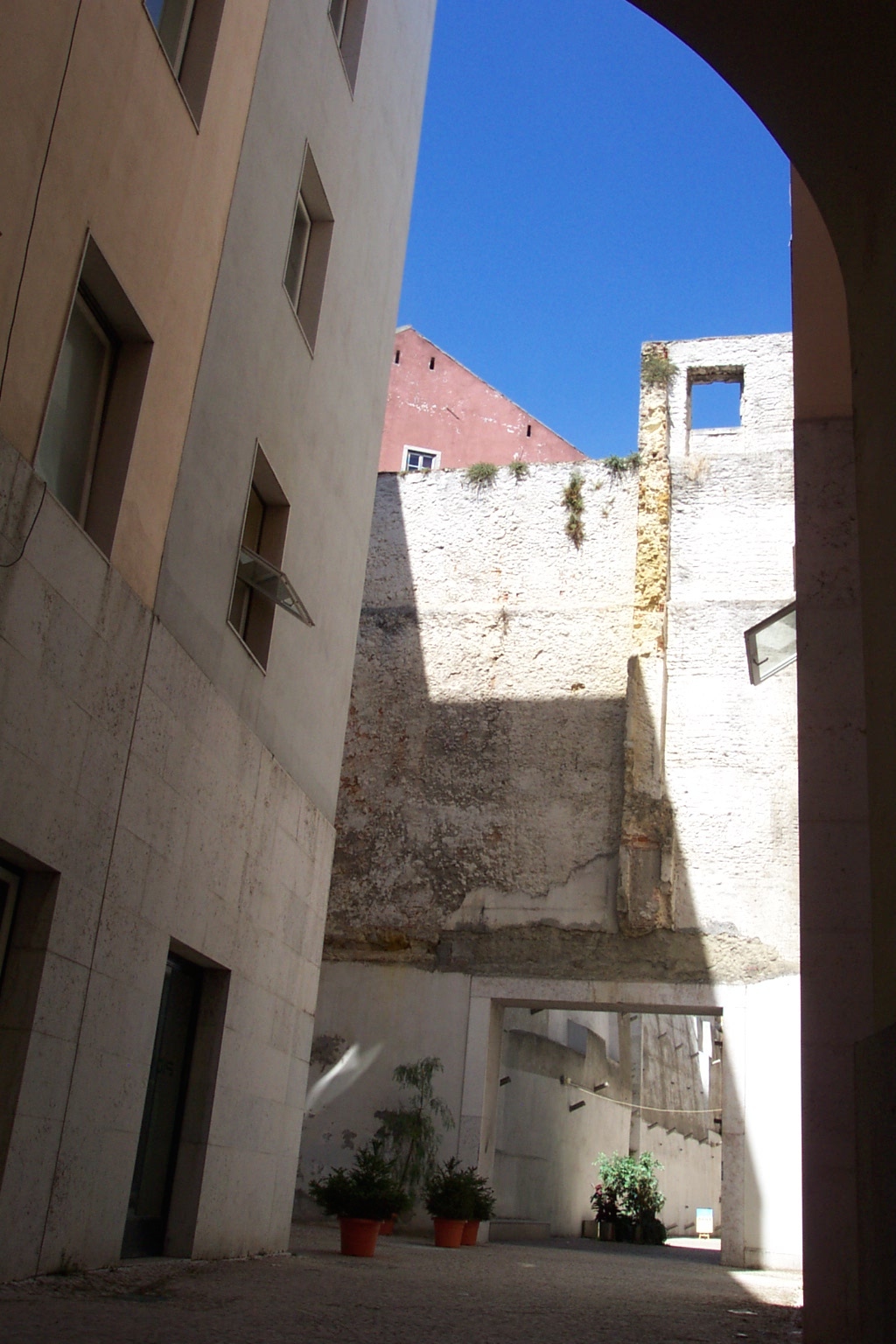
Learning about these again prompted me to pull out photographs from my 2002 study abroad, and define the places that I’ve spent the years since wondering again about what it was that I visited.

8 Study Abroad Exploration

outside Parma

Categories
About Me Architecture

What should Architecture be?

IMG_9625.JPG

What should architecture be? What should I be as an architect? The class discussion about Le Corbusier required that I define something for myself!

The more I learn about how to be a better person, the more I believe everything I do should relate back to the same thing. When my family traveled in Italy in 2014 we took an 11 o’clock taxi ride to our hotel outside of Venice. The three miles was something like 30 euros, a rip-off, of course. My mother was upset and when she demanded an explanation the cab driver simply handed over his laminated ‘terms and conditions’ sheet. My family then decided that we all needed terms and conditions of ourselves and that declaration has been with me ever since.

So, with the task inspired by Le Corbusier from an architect’s perspective and my belief that all things in life relate, I’ve drafted the following.

I must try to write every day. Language relates my actions to my beliefs. Sometimes not until I write, do I fully understand what I think.

Help others.

Reading and writing influence my work.

Everything is better with a good cup of coffee.

Authentic experiences must evolve.

In architecture, there exist inner and outer forces, meaning that there is the way people want to use a space, and the conditions of the site, culture and area in which the project exists. I’ve started a chain letter to a colleague that describes how I start a project, and I believe the next step to understanding the conditions of project is to evaluate the materials with which one is to be working with. Then, the structure, something holds up and together a project, and then the infill may be allowed to be more fluid.

Homes are for eating, cleaning, sleeping. Beyond the home there is work, social interactions, and commerce, everyone sharing their work. I need to develop my thoughts architecture beyond the home.

All things great or distressing become better when they are shared with someone else.

Live life how you believe you should be living. (What you identify with, you become. – from the Deepak Chopra meditations.)

What are your ‘rules’ of life?

Categories
Architecture

Articulate where you stand.

Le Corbusier, a renowned 20th century architect, demanded a response from himself constantly during his lifetime. He still stands to ask the same of students of architecture: ‘Articulate where you stand.’

The past semester we read many treatises from architects ranging from the 14th century to the present day. The last class discussion centered around perhaps one of the most enjoyable pieces by Le Corbusier I’d ever read, Nothing is Transmittable but Thought. This was compared to The Modern City: Context, Site or Place for Architecture? by Alberto Perez-Gomez. The piece below is what I wrote prior to our class discussion.

Why do our buildings lack the richness of old buildings? Perhaps it is because our culture spends less time in one place, or thinking about one place because the trend is that we’re so mobile. We also live a portion of our lives in a virtual reality. As an architect I do the majority of my drawing this way. We can construct false lives for ourselves, allowing others to not understand us for one, by only appearing a flattering way. We limit the picture. What’s the answer to becoming more real? A dedicated focus of time on what we’re interested in, allowing a time for the relief of distraction. Perseverance as Corbusier states in his writing Nothing is Transmittable but Thought. Further on in this reading Perez-Gomez states ‘In our time we individualize culture.’ Today with our ‘radicalized faith has become increasingly international and transcultural fueled by more efficient systems of communication, blurring traditional boundaries.’ (p4) Society assumes so much by the appearance of being present in pictures. What about stories, history and political understanding? (Chris Luebkeman questions emphatically in his lecture What will [y]our normal be?) One must find out how to actually be somewhere, be silent to understand the entirety of one’s surroundings. What is the remaining scar of the Berlin wall without the understanding of what it cut and divided, and how long it remained as so?

The authors Perez-Gomez and Corbusier discuss journalism as having a limited perception, that is, unfortunately, the one that is shared. Perez-Gomez laments that ‘media is the more authentic public’ (p4) as Corbusier discusses that if you are perturbed by the journalists, it is but for just one day. The public moves on.

Content is woven in the present through our desire, Perez-Gomez states. Yes, there may be more than what’s usually present, and isn’t that what any artist is after? One must take a position on all authentic knowledge to play a role, participate in life. Perez-Gomez says ‘we must make.’ I say yes, we must draw, make, yes, just as the poet must try to keep writing the same thing in different ways.

tumblr_mt6ar84Ky81r4sf9xo1_500

‘Make to recall being Perez-Gomez repeats again citing Hejduk’s architectural masks. (photo from effettobeaubourg)

Lauren Rapp a woman who made a chair a day for the last year – Washington Post. Compared to Hejduk’s masks, these pieces question a range of materials to be a specific object.

What else can we use to understand a place? Perez-Gomez suggests we free ourselves from ‘The modern world’ that has a ‘specific reality which is not independent from our thoughts.’ (p3)  In the same paragraph he explains that Heidegger’s take on tradition talks of tradition ‘The flight into tradition, out of a combination of humility and prescription, can bring about nothing in itself other than self-deception and blindness in relation to the historical moment.’ I recall similar laments in previous readings for class too. For example, in Hans-Georg Gadamer’s The Relevance of the Beautiful he says if art has anything to do with festival, it is about transmission.  (Something passed along such as tradition through families) ’tradition means transmission rather than conservation. It does not imply we leave things unchanged.. it means learning how to grasp and express the past anew.’  (p49 – 50) As architects we must understand the assumptions we’ve come to depend on in society in order to think anew. We must find deeper meanings to the surface of tradition that suggests we just go through the motions. Expect more from what’s given on the surface, and molded to look the same each year. Instead, we could share stories, and debate the true meaning.

In discussing the ‘symbolic power of some architecture’ (p6) Perez-Gomez states ‘Our home must accept a dimension of utopia -the possibility of real historical evolution and our self-assertion as individuals- even the architect as artist -their works are comparatively free from the traditional limitation and associate of the specific site.’  Let’s think about this -to be participating humans we must understand the essence and actuality around us, recognize the abundance that surrounds us. Corbusier discusses something similar when he states in Nothing is Transmittable… ‘the only possible atmosphere conducive to artistic creation is steadiness, modesty, continuity, perseverance. Constancy is a mark of courage.’ (p2)

These writings defend and motivate architects as creators to believe in a higher role of building as our job. ‘Place has to be reinvented’ Perez-Gomez urges.

I find another parallel in Perez-Gomez’s statement ‘architecture had become meaningless due to its lack of semantic ground’ (p8) and Corbusier’s piece title Nothing is Transmittable but Thought. If a place or rather, architecture, comes from the culture, the site, the drive of an architects’ ‘rules’ would it not come with a story? It would. Poetry and architecture are similar to me in the way they are created by being tooled over and then in the end crafted to mean something. There is always a better word, or the right use of material, to help tell the story. In the end the architect/ the poet must come to the final piece with the same question; does it tell the story? If this part of the critique to the whole has been lost then how would one ever know it is finished? Rules must be established.

In other Perez-Gomez writings he spoke of an architect’s rules. In Architecture and the Crisis of Modern Science he wrote of a mandatory call for understanding the patterns of society. Or in Hermeneutics as Architectural Discourse where he calls us to create our own order, one grounded in knowledge and one based on furthering the desires of our own experience. We must make until ‘exceptional coincidences’ happen through our own making.

Corbusier describes ‘play, that the architect will take certain ideas of the client until his own order begins, evolves, comes to light -this is his play.’ (p5) I wondered to myself while reading those worlds what Corbusier was trying to fit into by the end? What were his rules? He responds with ‘modular.’ In the end he wanted everything to fit into the human proportion, so it is the way he built space sizes, the way we ourselves as humans are proportioned.

What are my own rules? What ‘house’ of mine must look like a house? Certainly Peter Waldman’s House X could not have been preconceived without the site, but found in the way the family wanted to use the home. In the past I’ve written about inner and outer forces in my own architecture work. There is the desire of the inhabitants with the availability of labor and materials, the site and the vernacular (symbols, traditions and rituals to consider now too) among the many things to discover about a place. These two things, the inner and outer forces, meet at the enclosure, the place, the wall. But what does it say of how the two meet? How thy push and pull depend so much on particular factors. In the end though it needs to uphold the original idea.

The difference between school projects (or theory projects) and what I feel is expected of me in the profession are different. Where school pushes the discovery period, work expects something to be finished quickly. As a professional I’ve been able to mature into understanding deadlines that translate into when something needs to begin reading as a finished whole. The process of discovery probably becomes truncated. It’s too easy and normal to fall into the assumption that the right thing to do is to be literal in what the client requests even if it’s too bland as ‘I want a garage.’ As an architect we expect an offering to our client more along the lines of ‘the place of arrival.’ The architect has the ability to share this sense of passion. What the architect provides for the client is more than they were asking for in terms of a holistic project, and this practice is developed with a set of each architect’s personal rules.

From making to language, so in the end we must use words not only to begin but to direct and explain the story we’ve told in the end. To understand being in a place there must be critical thought. The subject of Hermeneutics, or knowledge of interpretation, has been integral throughout other Perez-Gomez writings as mentioned previously. Perception, interpretation, different architecture, different poets -we’re all coming to art through a different set of our own rigorous rules developed by personal ways of study and evaluation of knowledge. It’s wonderful to see the variety and is motivation to develop one’s own personal way of study and creating.

Ricœur is acclaimed for his textual interpretations, bringing the close of Perez-Gomez’s writing together with yet another proof that our ways of making lasting impressions are in themselves not static either, but are an endless source of opportunity to come to a deeper understanding and for the architect and the poet to share a deeper vision with the world.

As the author Perez-Gomez concludes ‘the role of poetic language to reveal the appropriateness of form… the architect/ poet…finds its archetypal roots, its program of poetic inhabitation.’ (p8)

At the end of our discussion I was left with the desire to make my stand more simply.

Categories
Architecture

The Morgantown Marriott

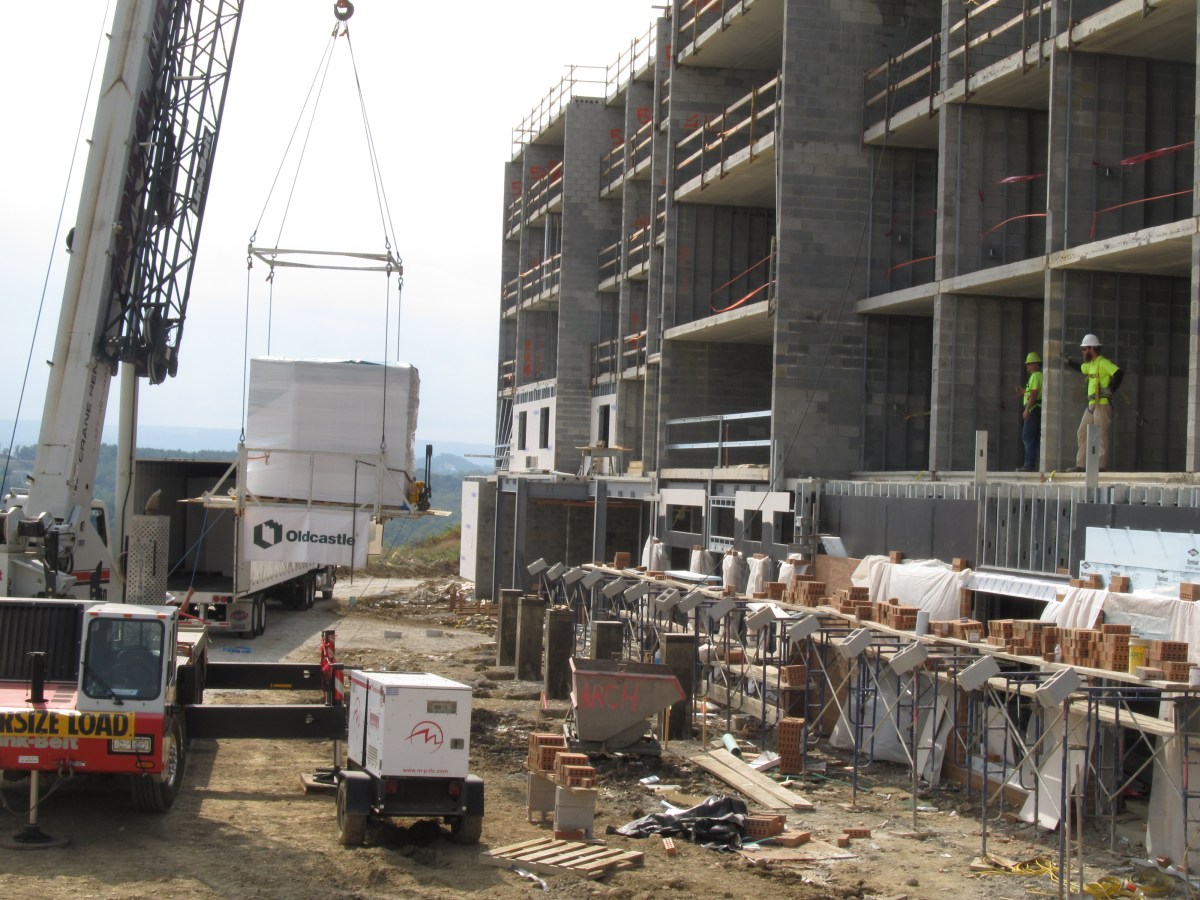
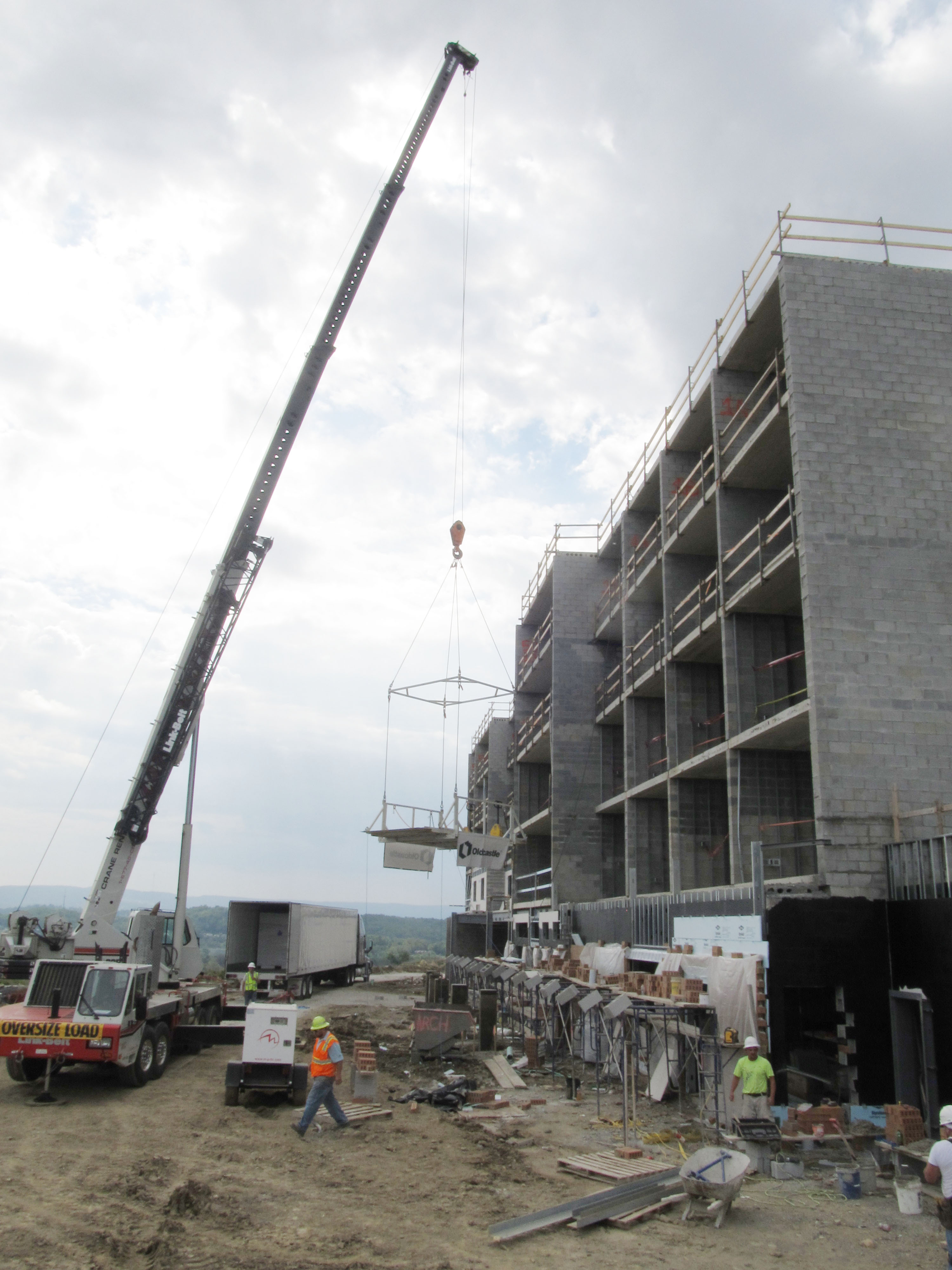
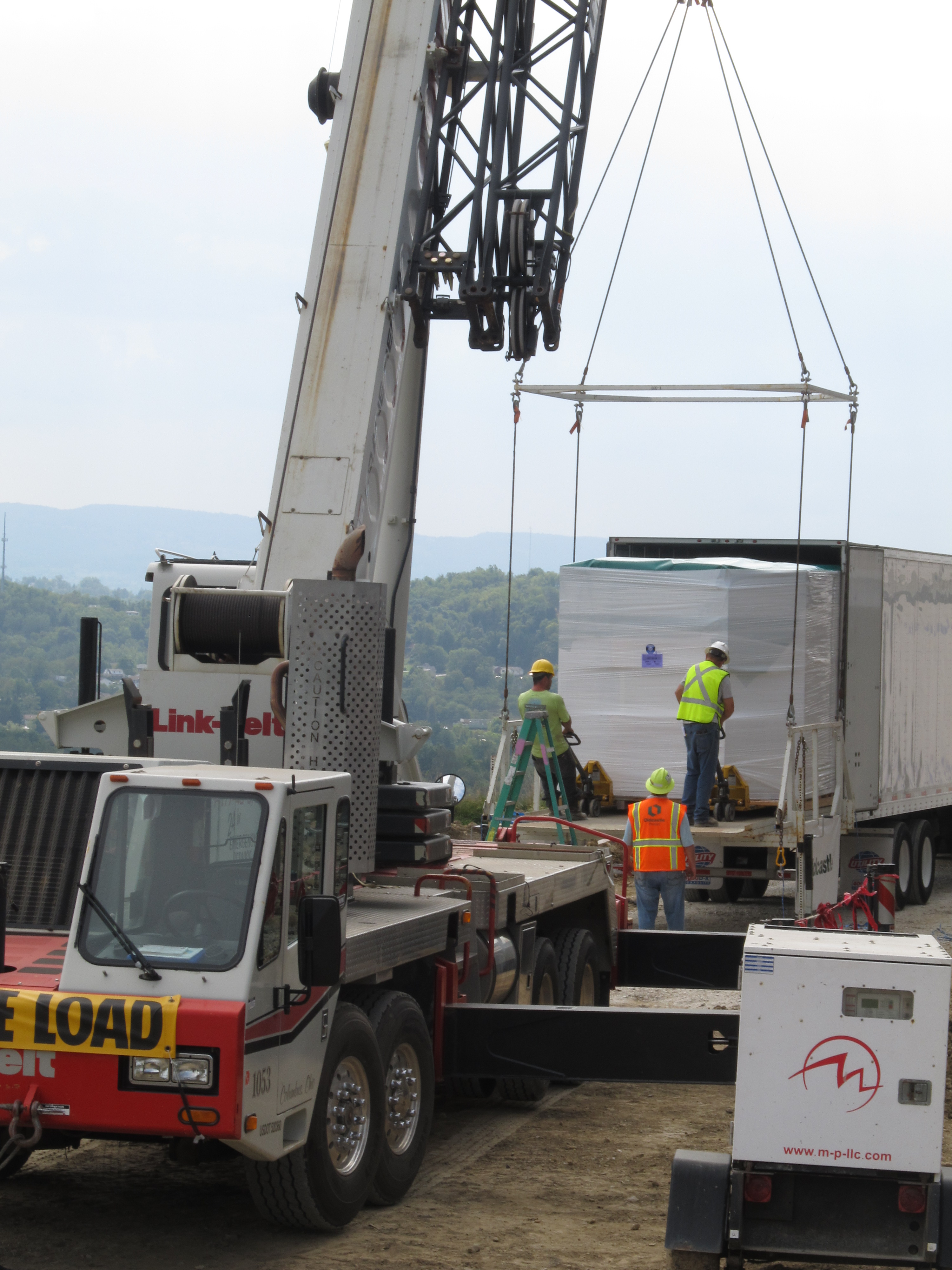
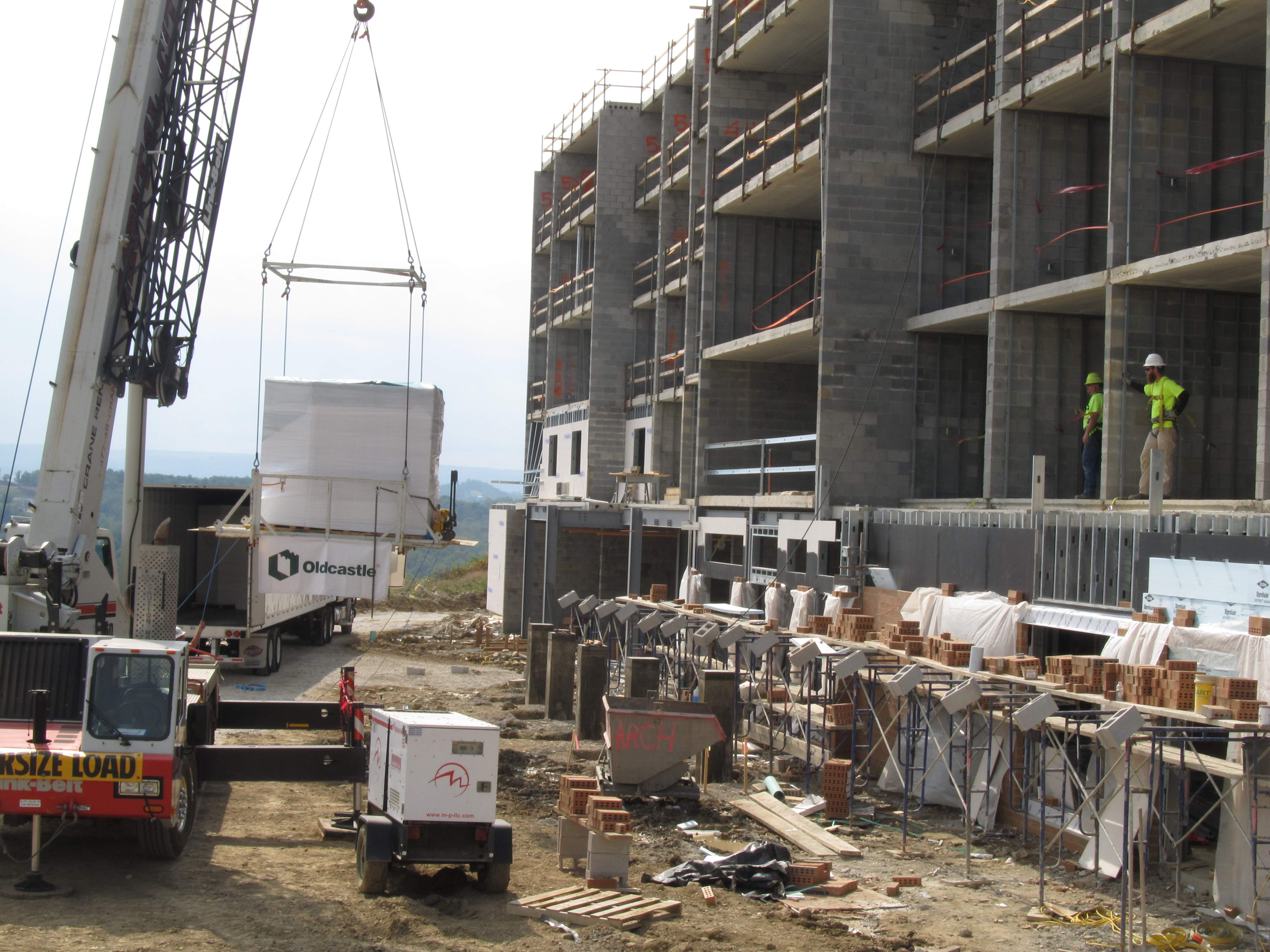
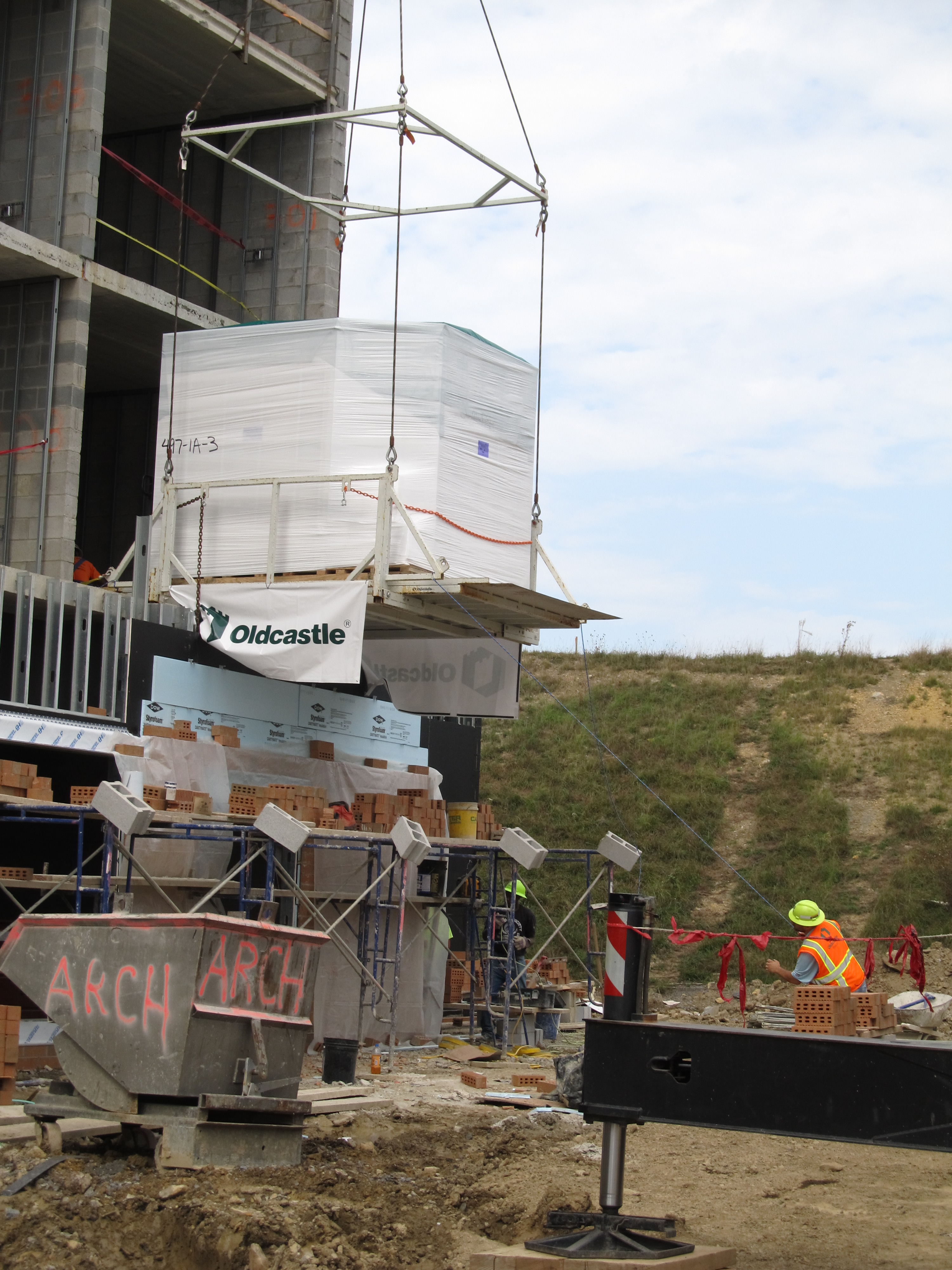
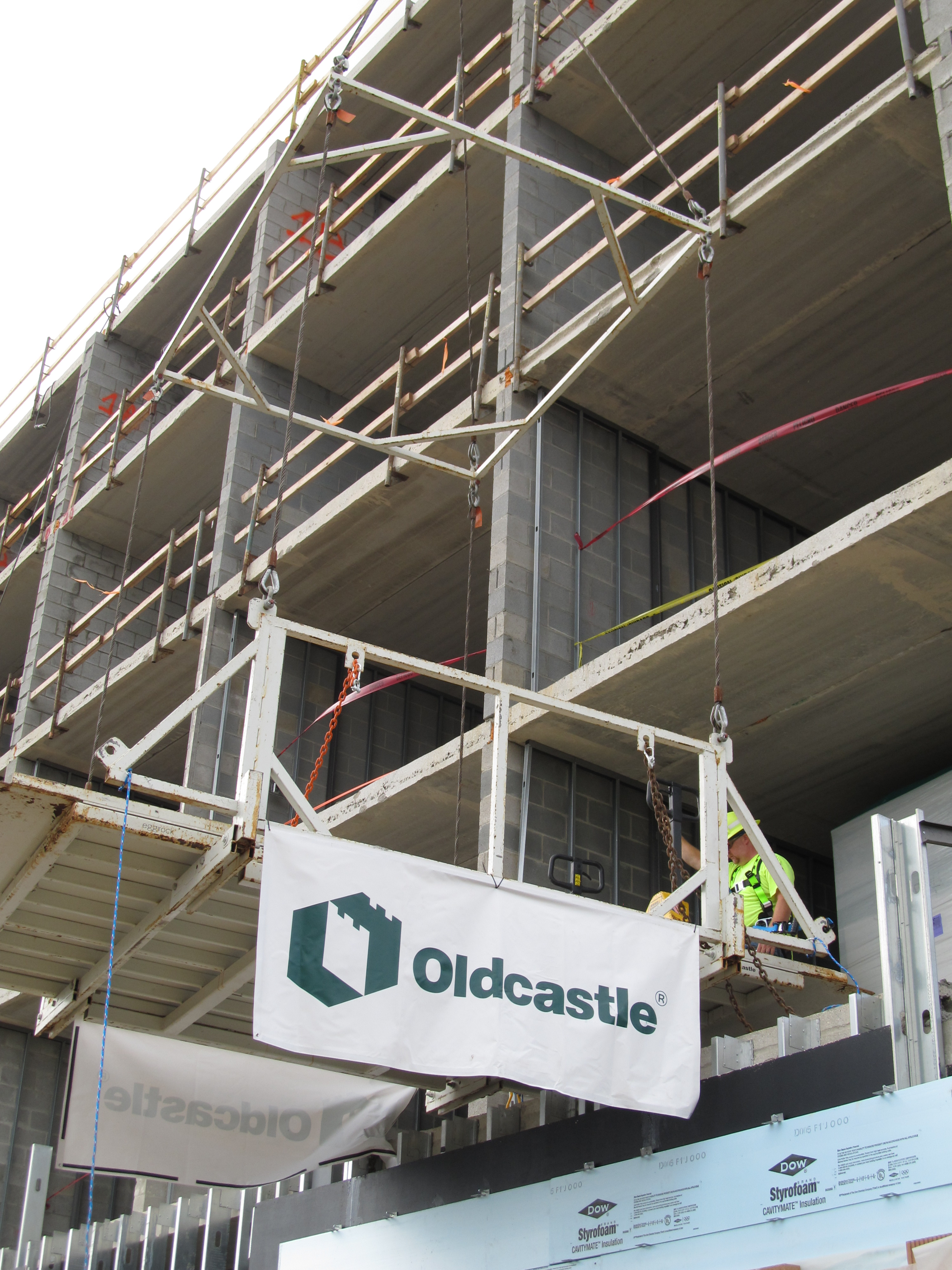
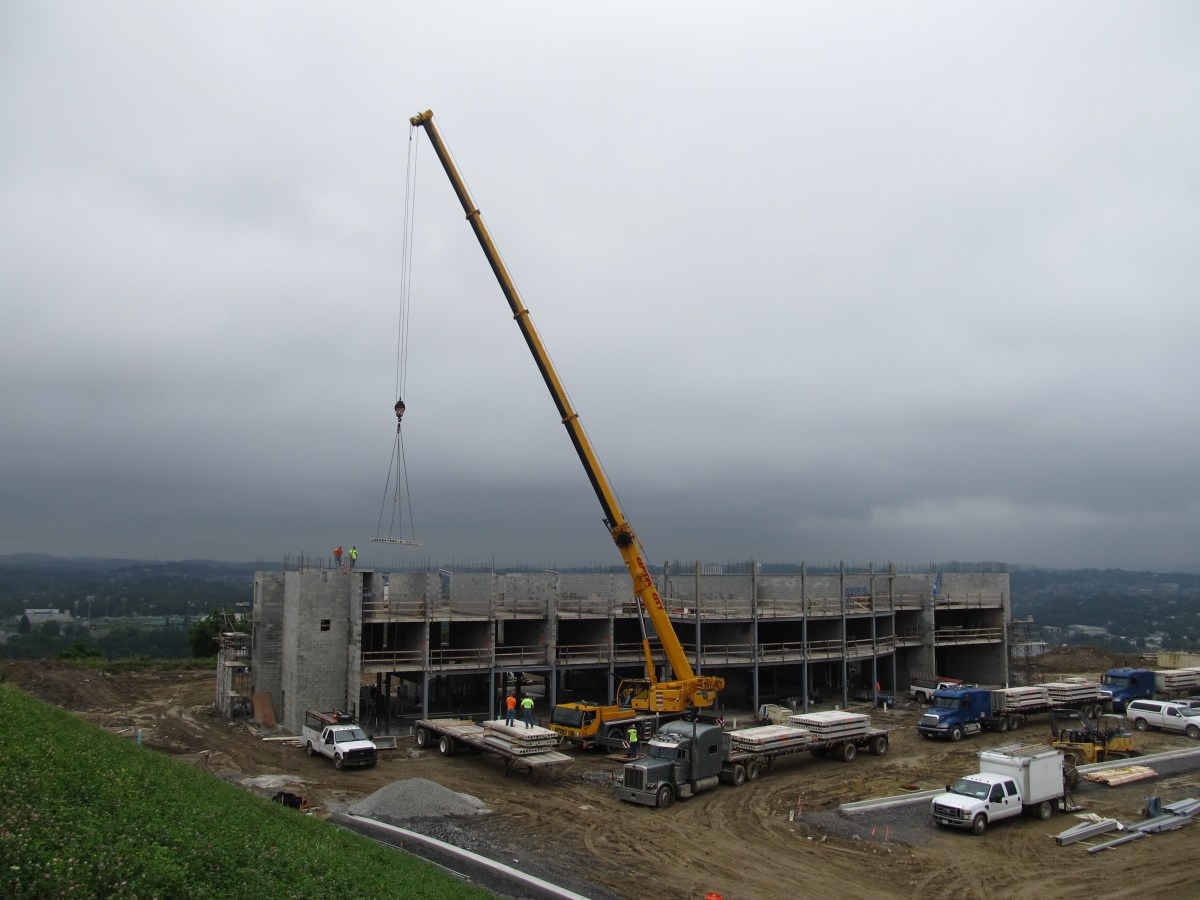
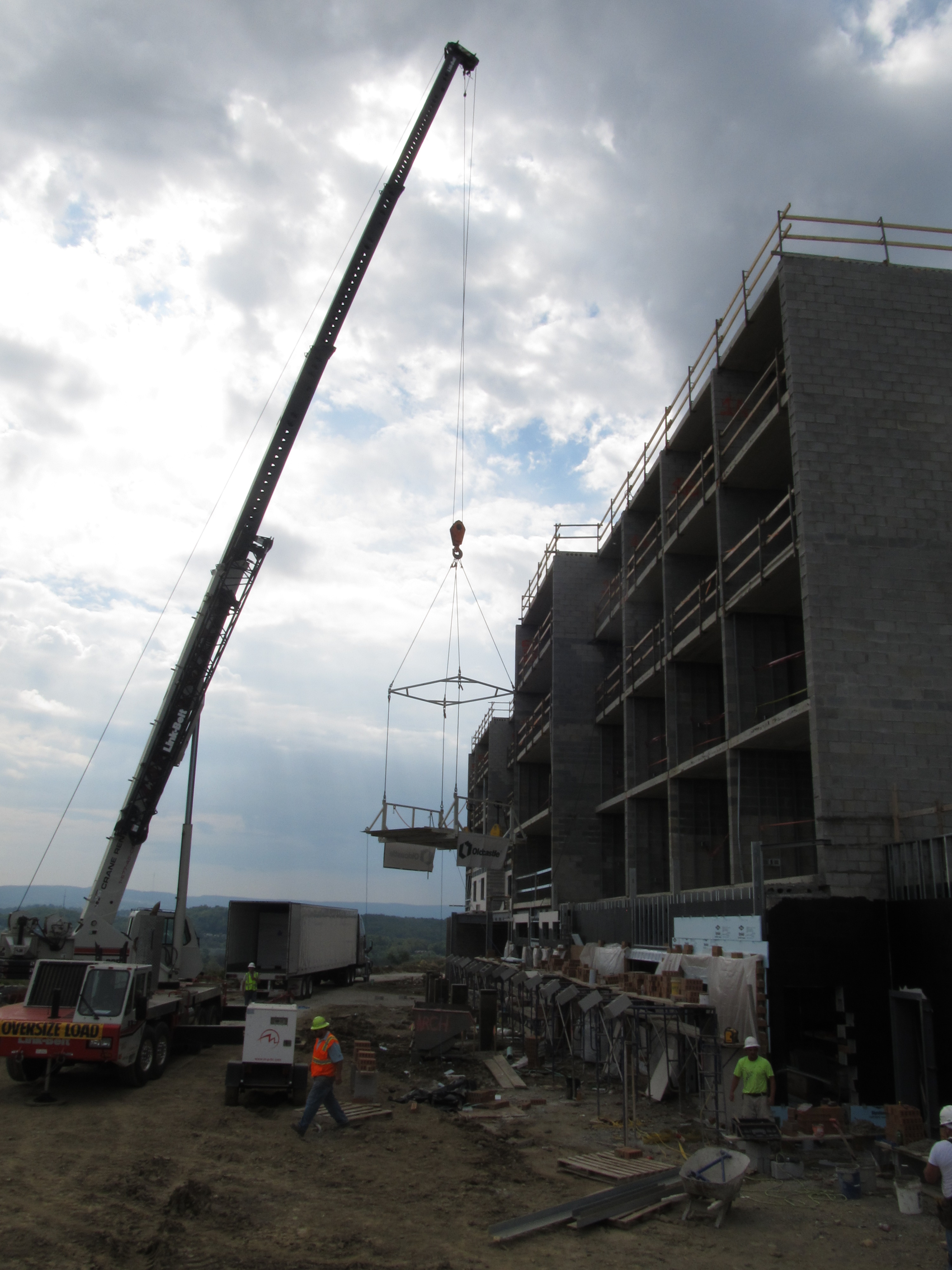
They left Florida last Friday and drove through the weekend. They came to Morgantown packaged in white, ready to be lifted into the sky, and set into place. The Pods are here! Oldcastle’s orchestration of fixtures, finishes, exact stud sizes, precise cuts and factory finesse is finally within the arms of our building. The final leg of the trip is delivering them from the semi bed to each room. It starts with a crane, a big boom, and the empty cage you see floating below.

Oldcastle Morgantown 1

The ‘cage’ has legs which stabilize it to receive each Pod.

Oldcastle Morgantown 2

Oldcastle Morgantown 7

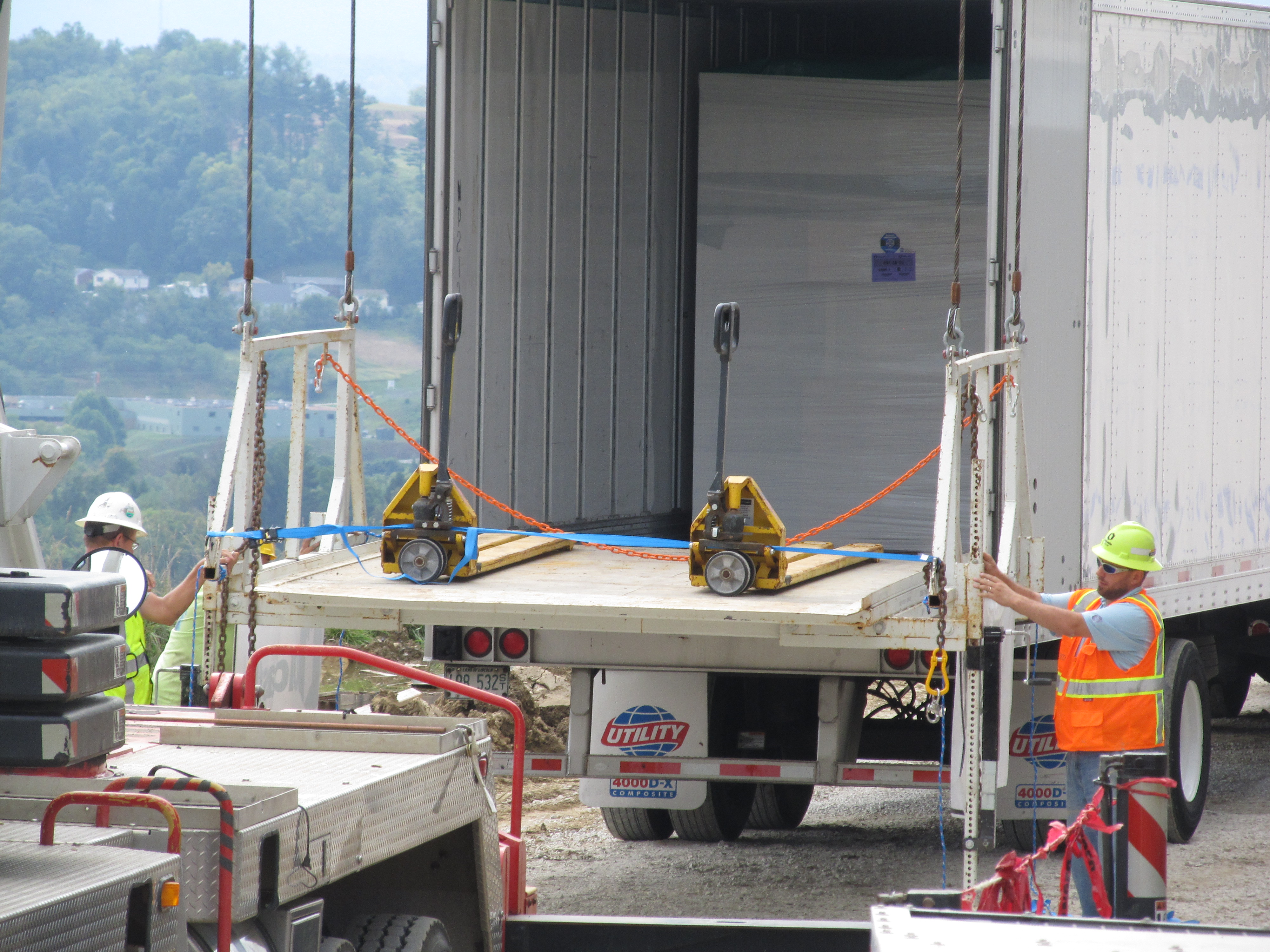
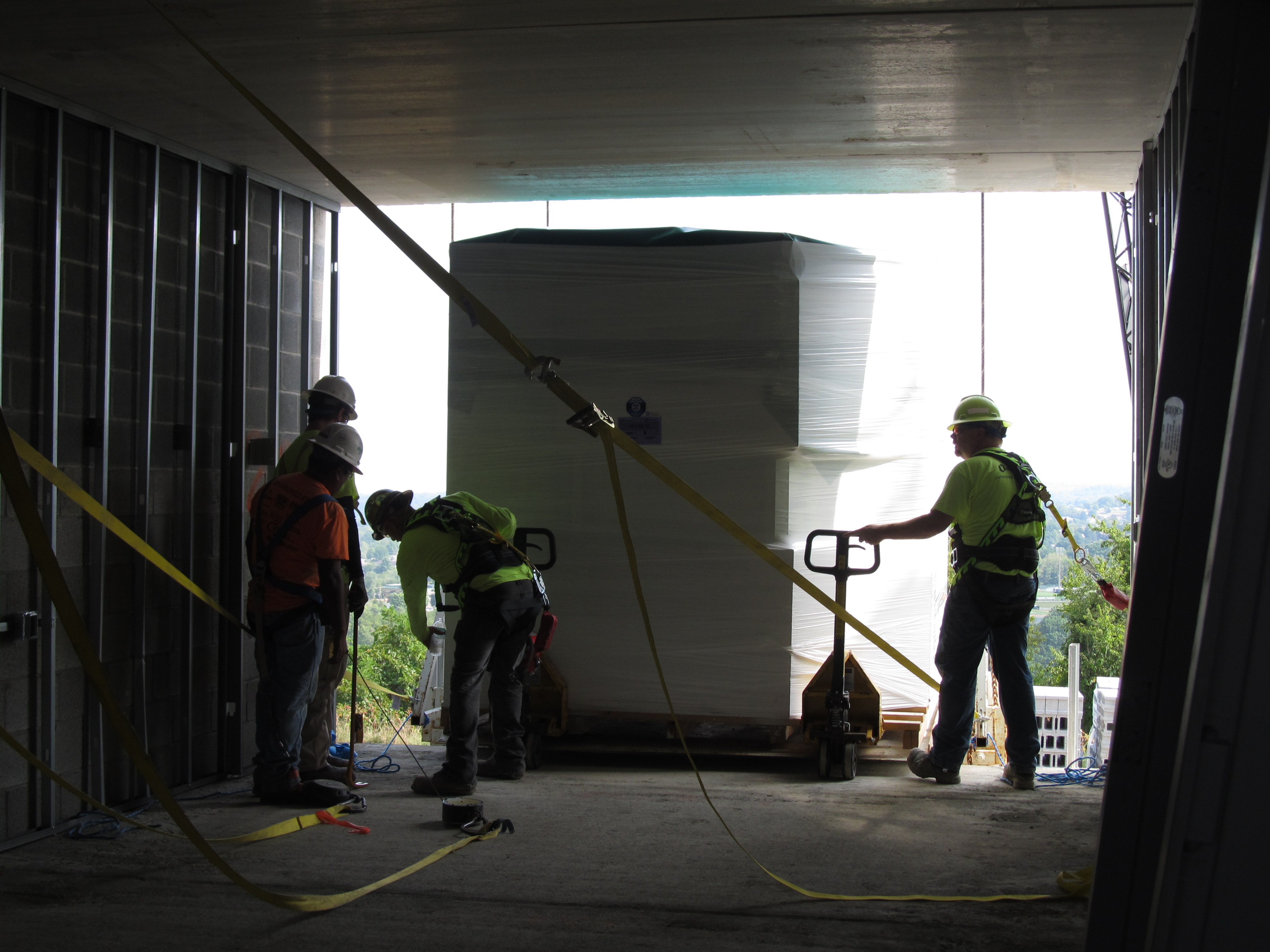
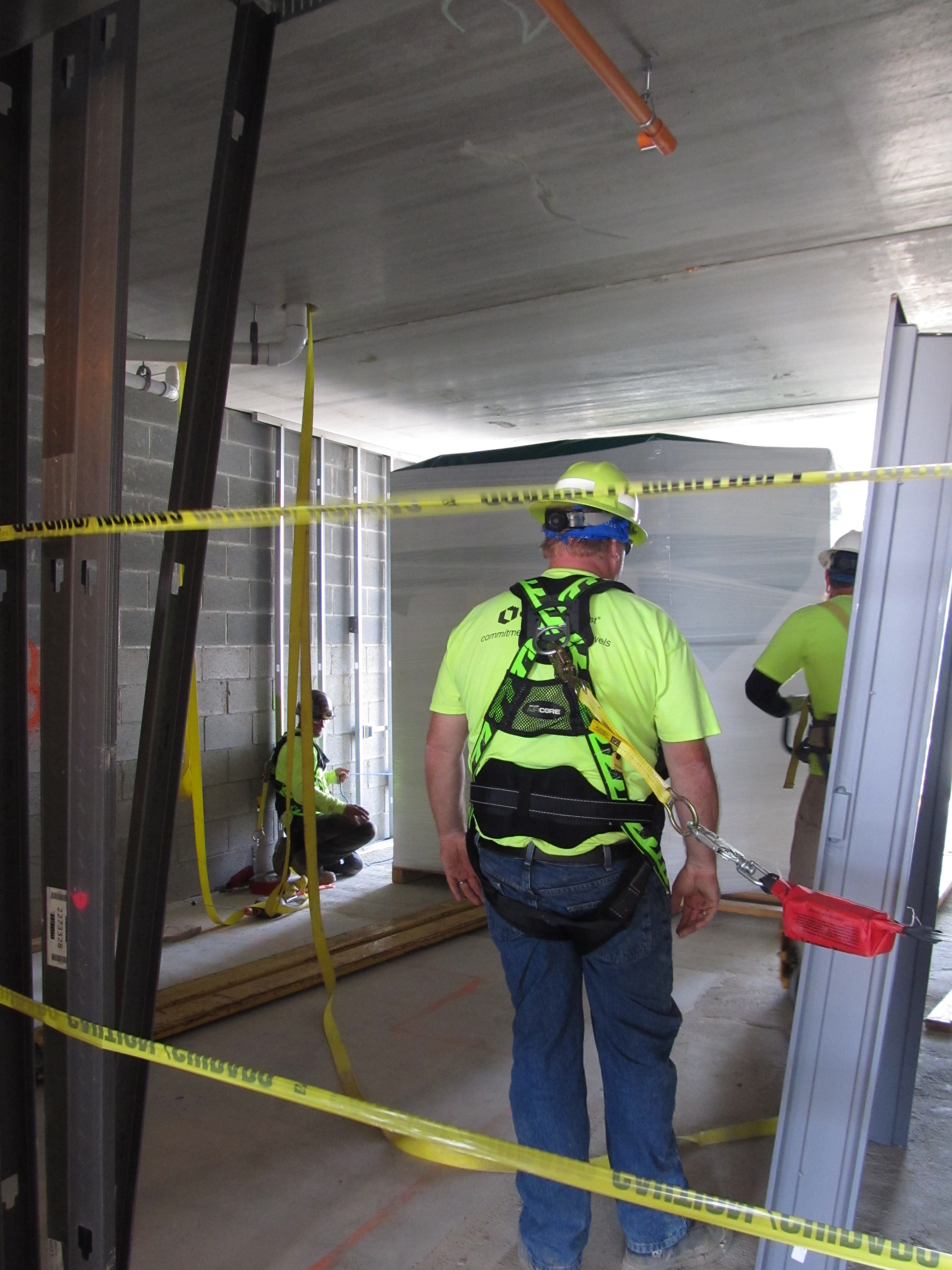
Over-sized pallet jacks ride the lift every trip and are used to pull the Pod from the truck, and then into the building. The crane rotates the lift cage for this to work.

Oldcastle Morgantown 3

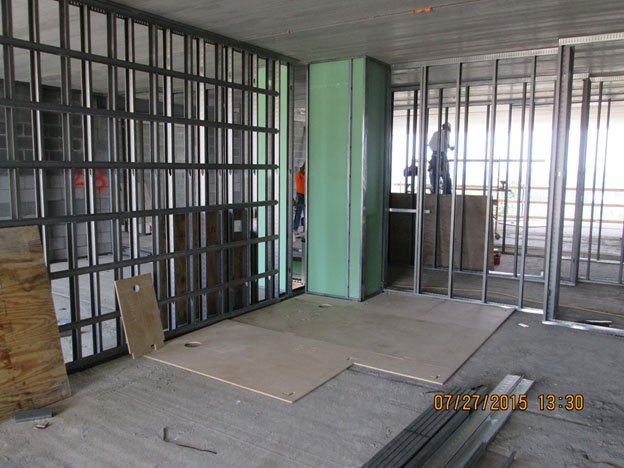
The pods are loaded into the truck with precision, of course, but loaded so that they may be taken into each room in the exact direction that they will remain once plumbed. There is little room for error, as you can see in the 7″ of spare room between the Pod sides and the truck. The same goes for the coordinated place they will reside, as seen in the Pod template on a precast floor below.

Prepping for the Pod

Oldcastle Morgantown 4

The cage to floor connection has been considered and coordinated prior to the arrival of the Pods.

Oldcastle Morgantown 5

A seamless team of two men roll the POD into the building.

Oldcastle Morgantown 7

Oldcastle Morgantown 8

The pallet jacks are slid alongside of the Pod once set in place, and take the ride to get the next bathroom.

Oldcastle Morgantown 6

Prefab POD Manufacturer:  Oldcastle Modular

Contractor: Waller Corporation

Architect: Mills Group

Categories
Architecture

Prepping for PODS at the Morgantown Marriott

Masonry at Marriott

Last week I visited Orlando to view the Morgantown Courtyard by Marriott bathroom pods, fresh off the line. The facility of Oldcastle / Eggrock was spectacular. What impressed me was the level of engineering, waste evaluation, and labor considerations in every decision. The GC and I met with our Marriott representative to evaluate the finish product of our POD which was, unsurprisingly, near perfect.
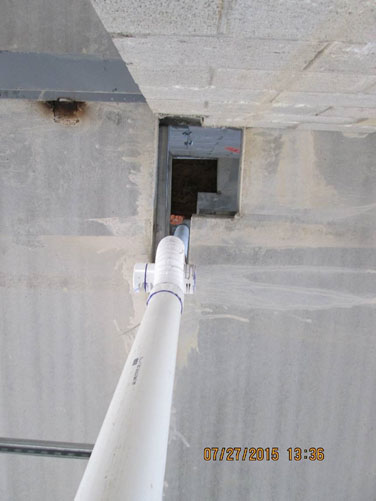
Shaft Cutout

What you see in the picture above is the bathroom shaft without shaft walls. Plumbing and HVAC equipment fits within this L-shaped opening. The oddly shaped opening had to be coordinated with all of the design trades, the concrete floor fabricators, and of course, the bathroom POD. It’s been quite an effort and seeing the built product of what has been on a computer screen for so long has been the most rewarding of the entire process of creating this hotel.

Prepping for the Pod

Here you see the shaft in the center, and the template of the pod on the ground so that the concrete can be properly core drilled to receive the bathroom. In a few weeks I’ll share how these PODS are set in place after their journey from Florida.

Photos are by the General Contractor, Waller Corporation.

Categories
Architecture

I just recently met Tag Galyean

Broadmore Entrance I wonder if Tag Galyean, a self-described master builder, who moved onto the Greenbrier grounds in southern WV over thirty years ago knew where his career was headed. In the two years that followed his move he became integral not only within the design world but also that of the hotel business. Following his time at the Greenbrier, Tag moved to Hawaii to work with what are now the Rock Resorts. Since 1989 he has been the designer of architecture, landscape architecture, art and graphics working on the executive committee as a design professional at the Broadmoor, -the luxury resort in Colorado Springs.

I’m lucky, I’ve only just met the gentlemen and now I am on his team. The day I met him he described his privilege for working for private entities, the really nice families, and by the end of the day I was left with the same sense of what working with him would be like. We met over breakfast to discuss a project we are collaborating on. While in his presence I had the opportunity to observe how he analyses with his questions. His vision for each client encompasses making decisions based on the point of profitability. He described that it was not his intent to leave his signature, but focus on pulling out the strong elements established in each place. In his words he becomes a custodian to each business, understanding how design affects these historic properties.

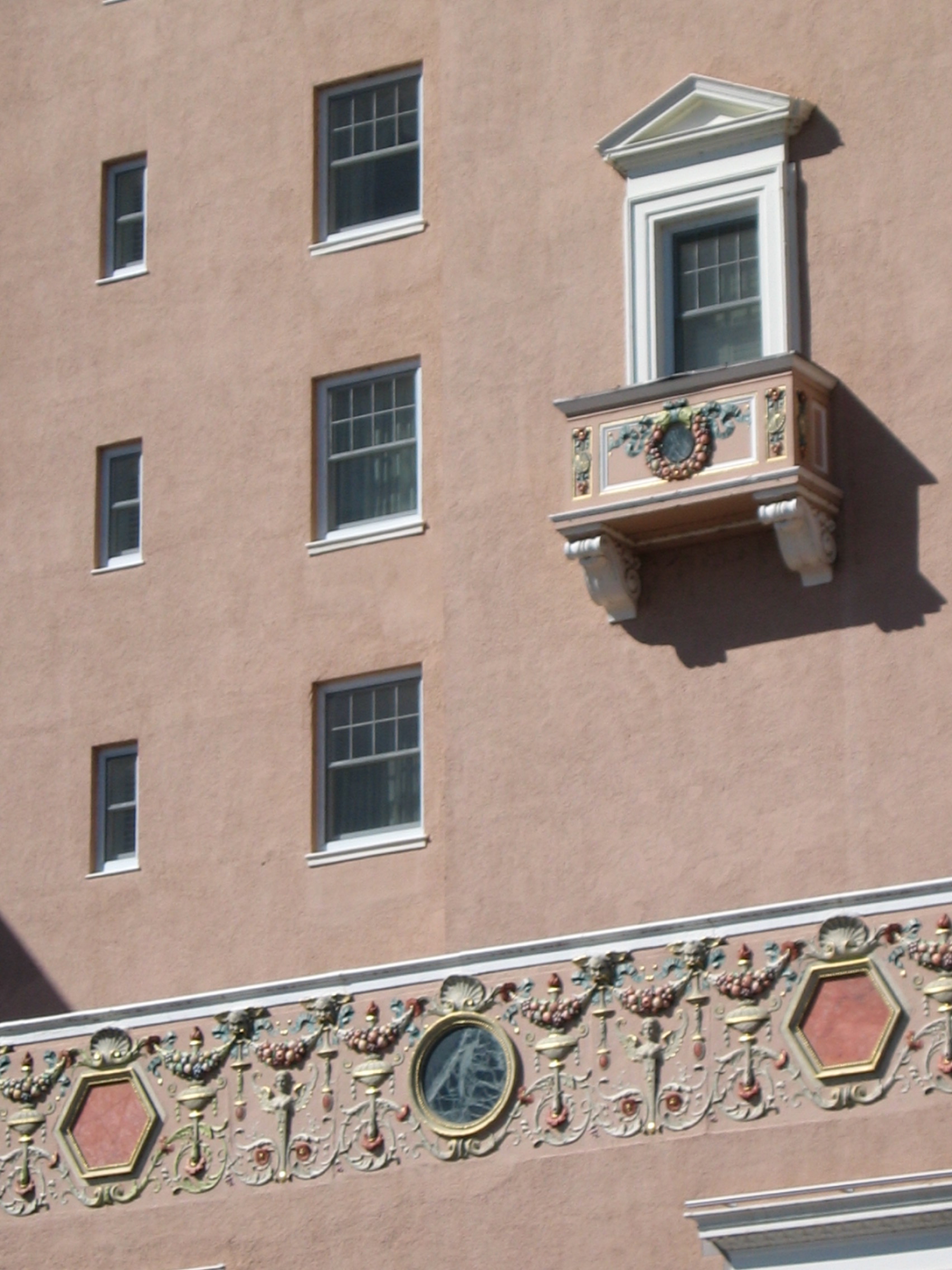
Broadmore facade

During a recent meeting I attended with Tag he maintained the conversation by discussing the reach of design. He referenced Dorothy Draper to emphasize a full vision, such as the one Mrs. Draper provided for The Greenbrier designing match book covers, bath mats and the landscape. The importance of one designer lies in the absolute necessity for continuity in a guest experience. 

Broadmore Porte Cochere

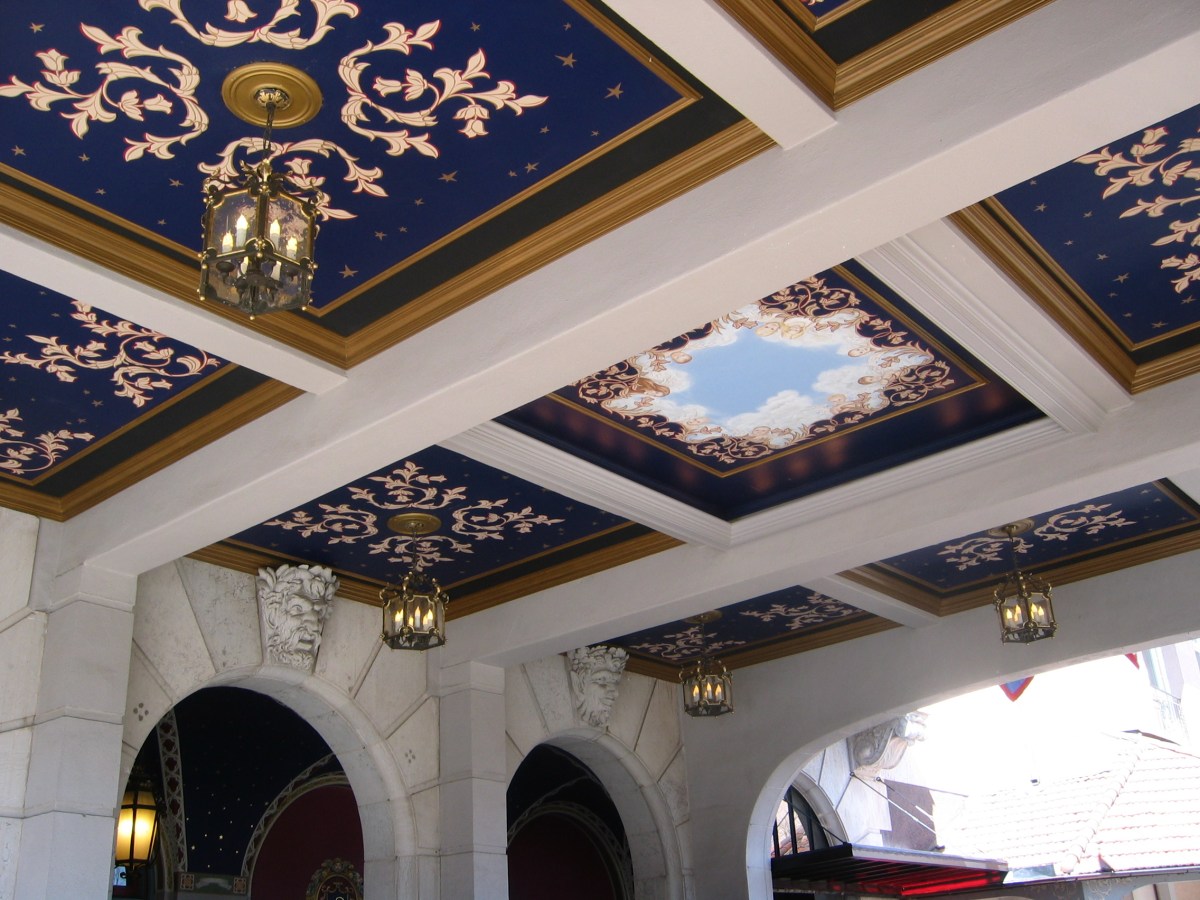
During our conversations about The Broadmoor I was reminded about the details from my visit four years ago. I remember the ceiling of the porte cochere and the stunning mural that smiled down on me. While spending time with Tag I picked up on a few of his quips and wrote them down. For example, when others in our group mentioned the art installations of Bruce Munro’s work Tag said ‘I’ll look into it, it’s nice to know.’ In this way his demeanor continued to be encouraging throughout the whole day of fresh ideas.

Tag was asked by our clients what the impression their place left on him and he replied, ‘There is some magic here. The imagery is strong and appropriate of the area. The Interiors can be more fetching, some place that says not that I am home, but I am somewhere special, somewhere I want to be again.’ Certainly anyone who has ever worked with or around Tag feels the same way about him. He is someone I want to continue to be around too.

Broadmore

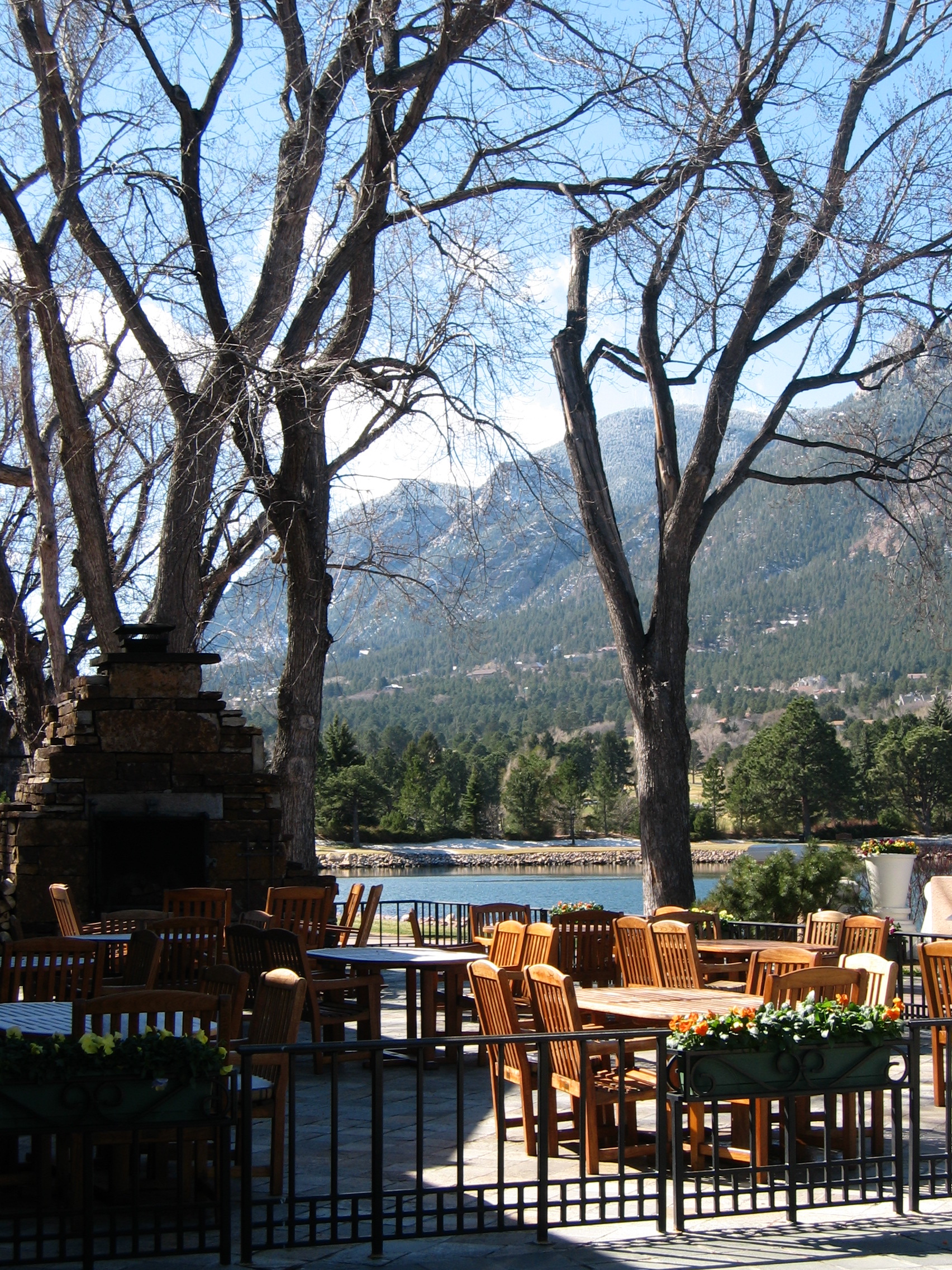
These pictures were taken by me in 2011 during an April trip to Colorado Springs.

Tag Galyean of Tag Studio

Categories
Architecture

A Majestic Marriott in Morgantown

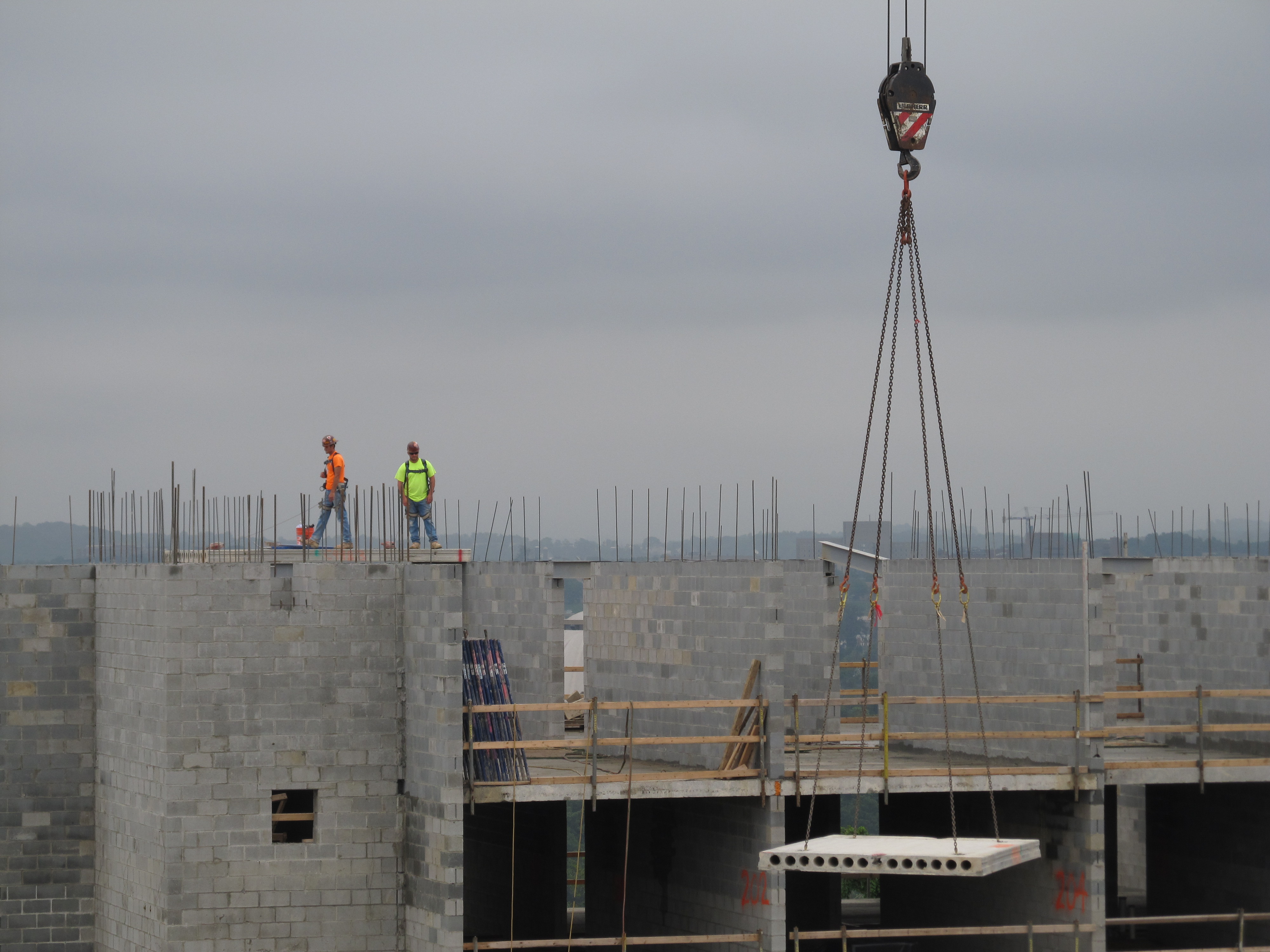
IMG_9293Every other Monday construction involving floor plank begins at the new Courtyard by Marriott in Morgantown, WV. Waller Corporation, the GC for this Courtyard, organizes the rising of the floors left to right across the building, orchestrating plumbing, electrical, concrete and other sub contractors to work out from beneath the floating floor. The final piece to the puzzle of precast floor plank is fitting in place. Mills Group worked with Mack Industries last fall to initiate the coordination of the hollow core floor.

Our team chose to use MACK Industries because they can provide a 30′ long span by 80″ wide plank. This means we have less seams at the ceiling and floor. Mack worked with Mills and Waller to develop a starting point strategy, locate cuts to allow future shafts, and assure edge conditions would align with the exterior wall assembly.
Morgantown Marriott

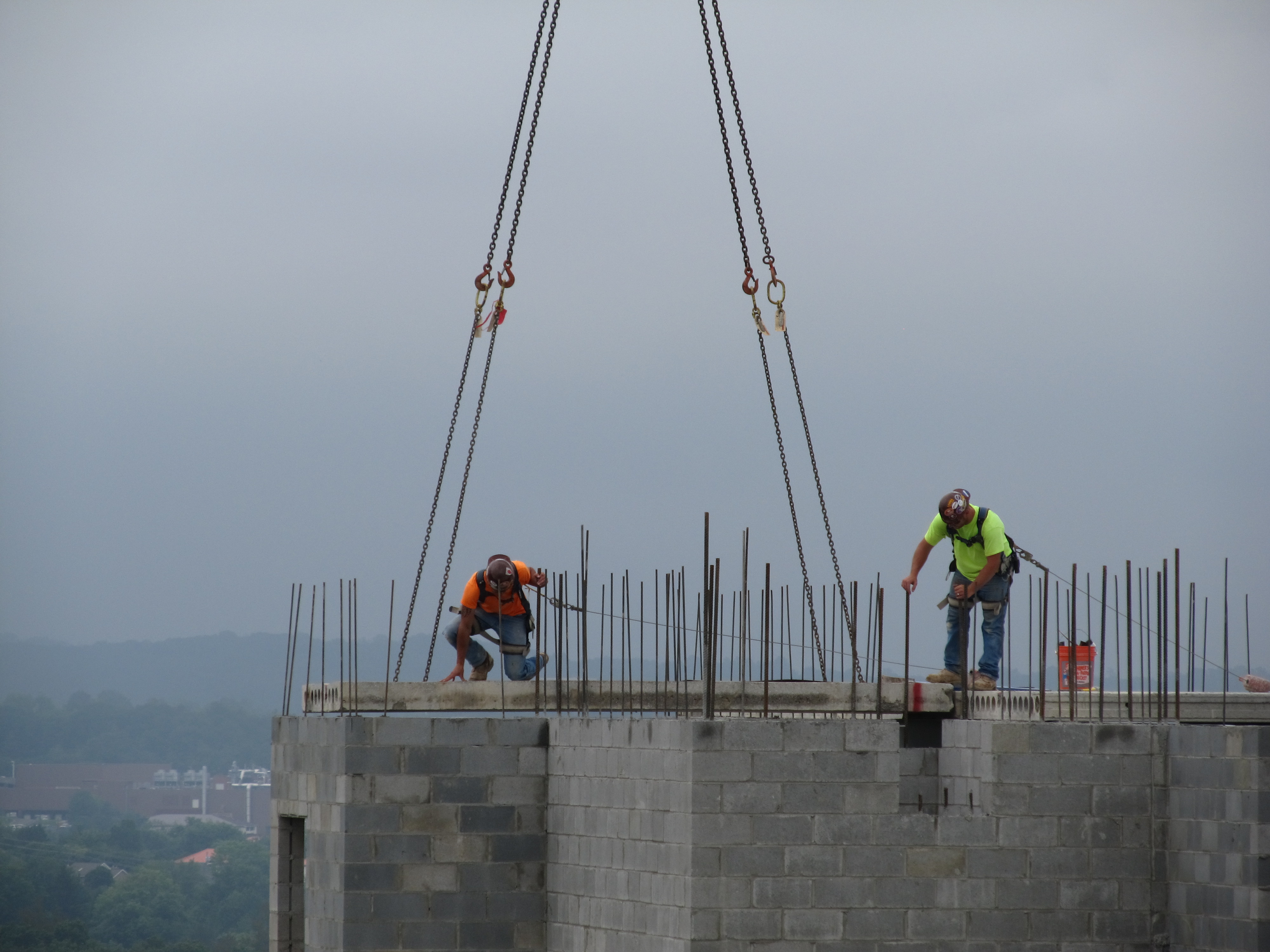
The design takes a life of it’s own as a view from the job trailer shows below. Tractor trailers loaded with 4-6 planks arrived on site in succession. Each truck took about 45 minutes to an hour to unload. Two workers attached the crane chains from the truck bed into preformed lifting bars in the plank. The plank was lifted, and arrived without incident to the upper floor. From there two tethered men aligned the plank just right before releasing the hooks.

IMG_9301

The next day three of us from Mills Group were able to walk up to see the view first-hand. Gashes in the floor show areas where the plank was lifted and how two parallel planks are reinforced together.

IMG_9307

The view is spectacular and we enjoyed pointing out construction details in such a beautiful setting.

IMG_9308

IMG_9310 copy

Categories
Architecture

Materials that Pop

Stella-34-Trattoria-James_EwingPhotojpg

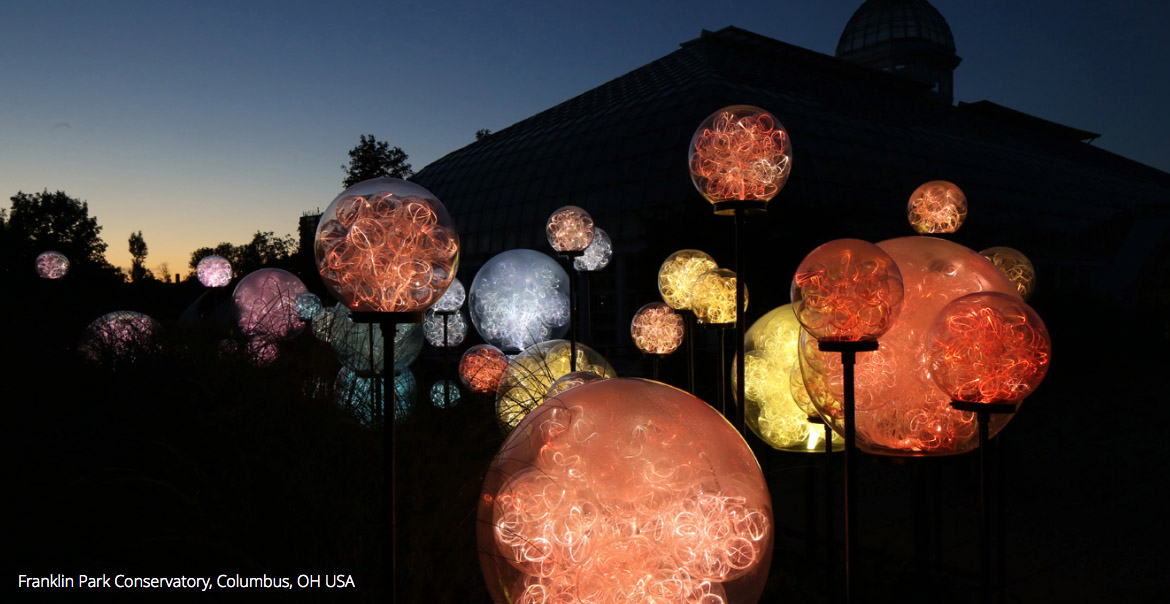
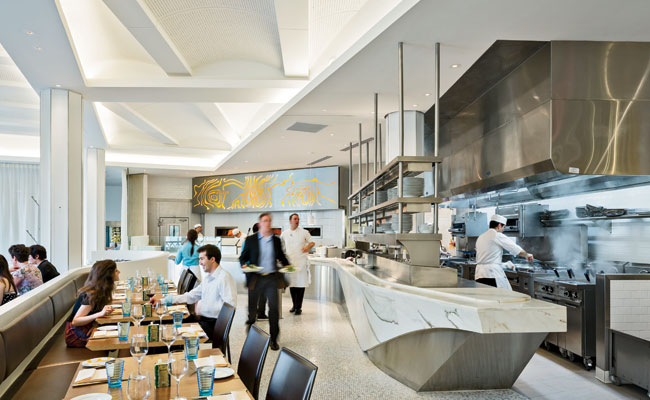
I’m not talking about fireworks, I’m talking about sculpture in architecture. The Curving Marble Bar at Macy’s Stella 34 Trattoria in NY (Photo and full article at Architectural Record.) I learned about the artist Bruce Monro recently. His lit sculpture makes the forest even more magical by night.

Bruce Munro1307-Dining-By-Design-9Architectural Record presents ‘Dining by Design’ – The Floor

KellyWerstler_Pink

Kelly Wearstler – My Vibe My Life

Categories
Architecture

From the Ground up – How to dream of a Church

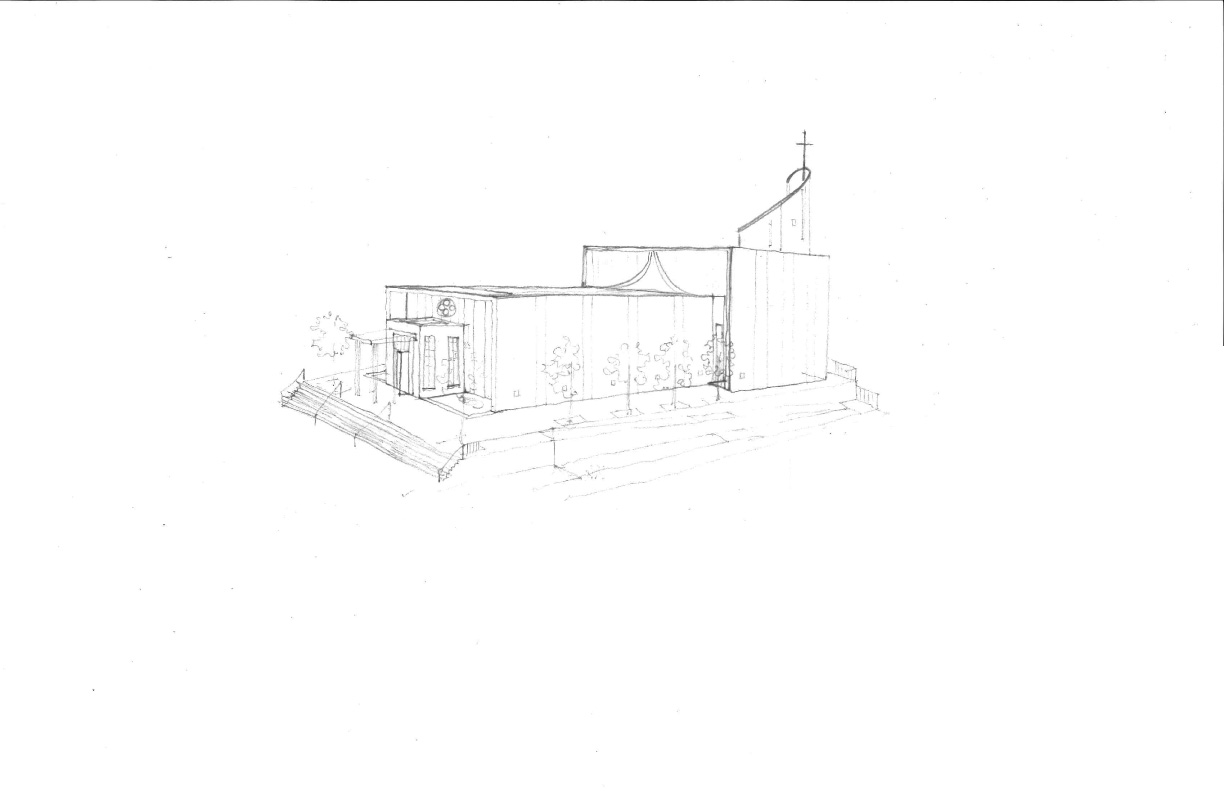
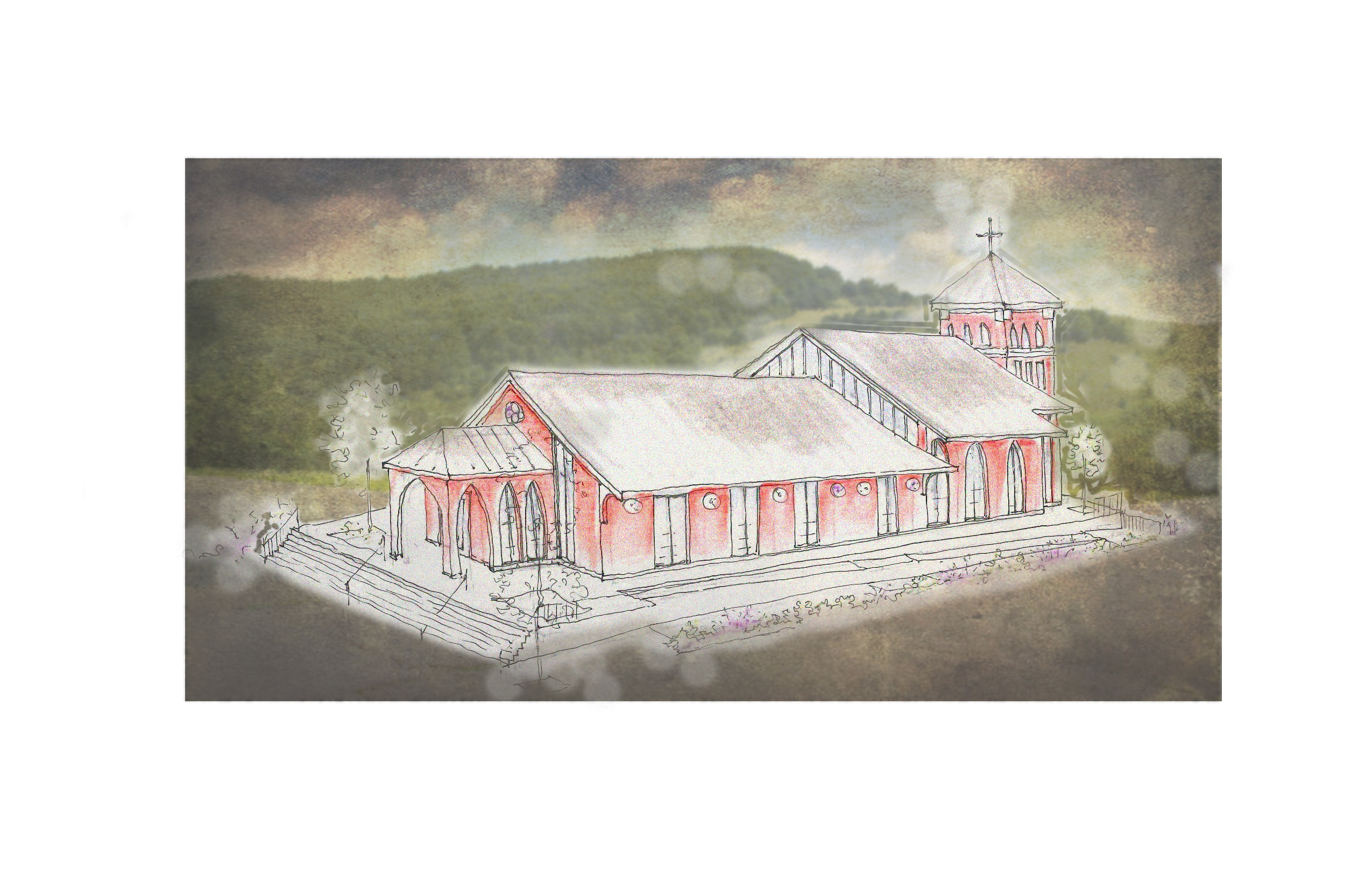
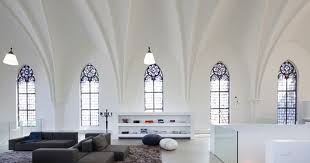
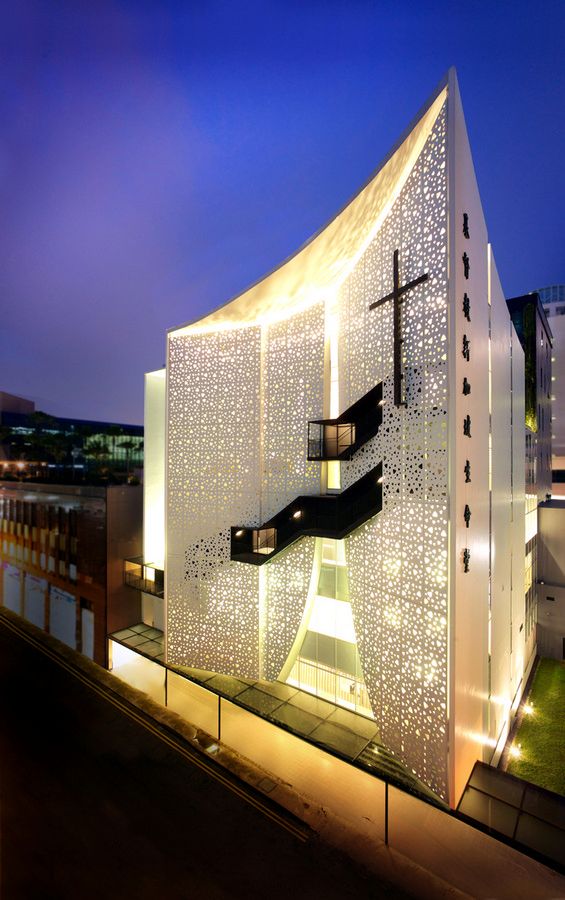
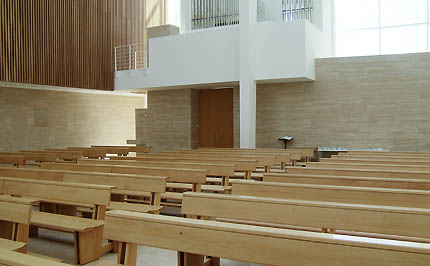
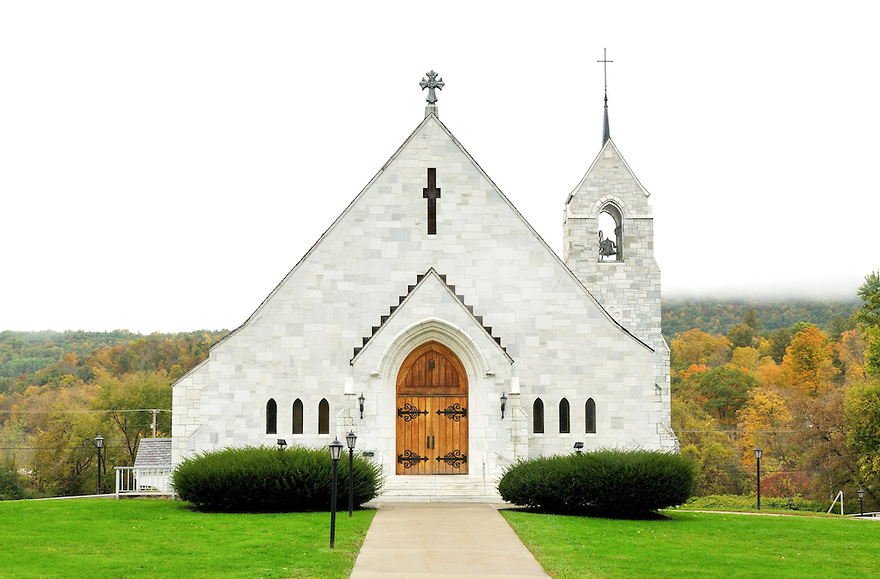
It is not often that I have the opportunity to draw a brand-new church. As a place of worship the building should be inviting, a beacon of light and hope.

Modern St John 1
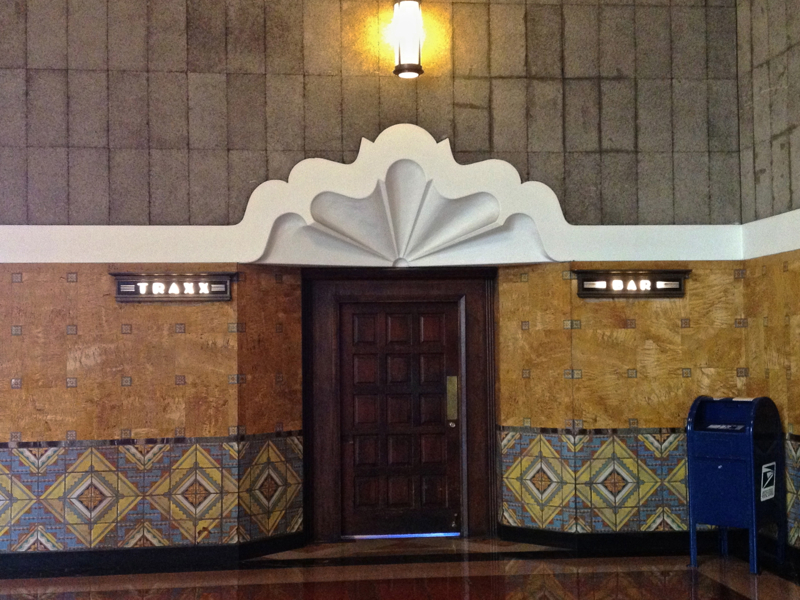
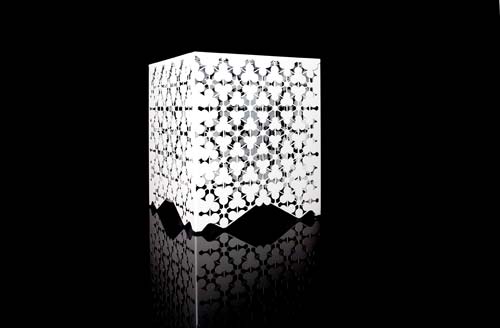
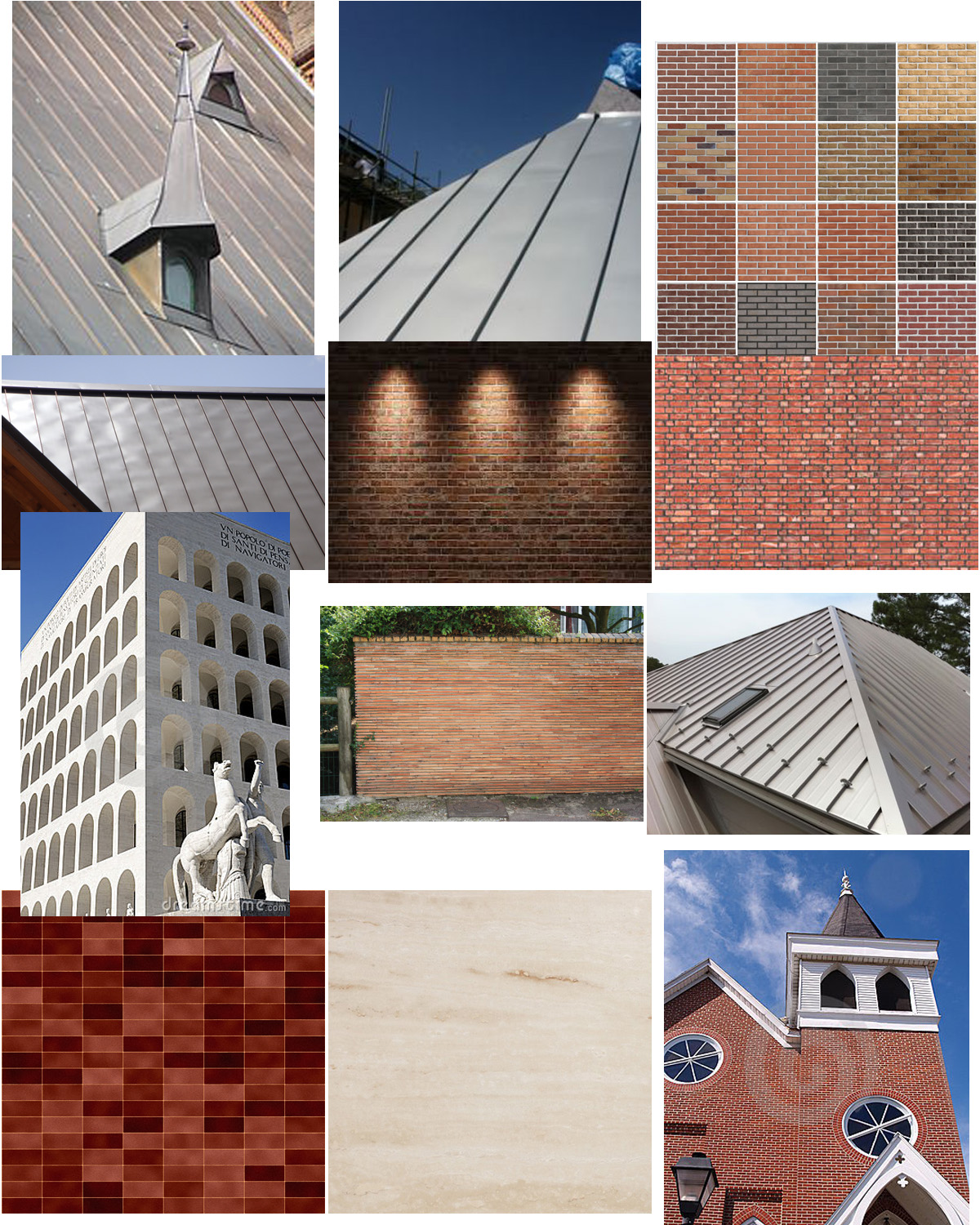
 st johns1Architects, like everyone else, are inspired by pinterest. Images of what patterns can do with light, and what plaster can mold to affect what is sought for in putting hand to paper. While drawing, I seek how common materials connect and what precision in the construction world can yield. Many photos below were pulled from Pinterest.
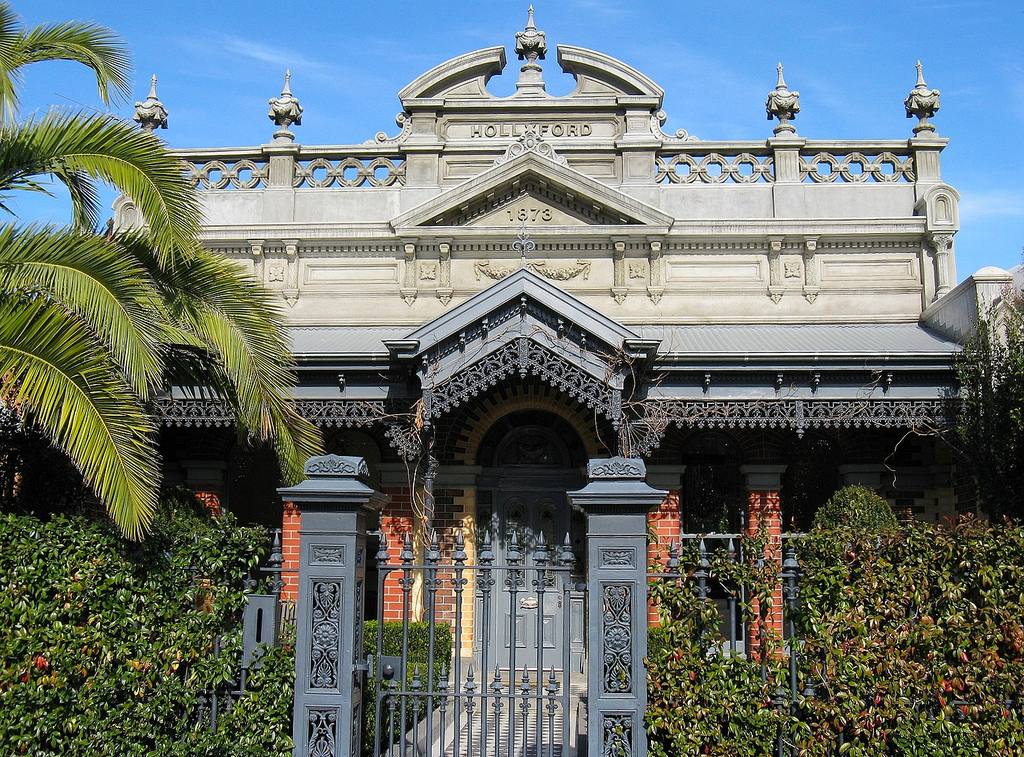
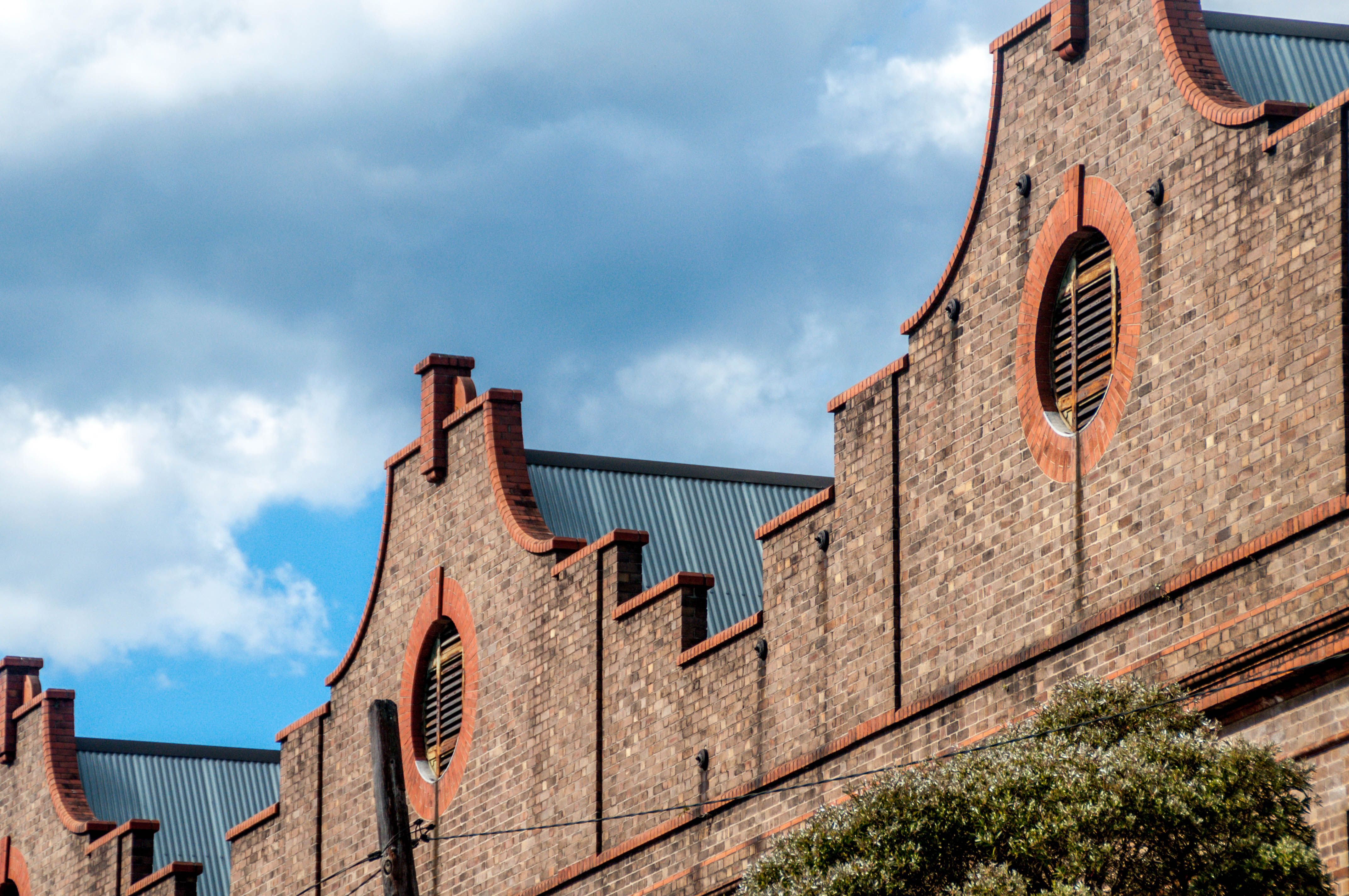
Decorative Parapet 2 Decorative Parapet IMG_3647elenaimages

italian-culture-palace Modern Church jubileeint2 Marble Church Orsolya Maza
paUW34aZcy


Parapet inverse shapeport12 static1.squarespace wpid-dscf4280